34 Victorian Living Room Ideas for Opulent Vintage Style
34 Victorian Living Room Ideas for Opulent Vintage Style
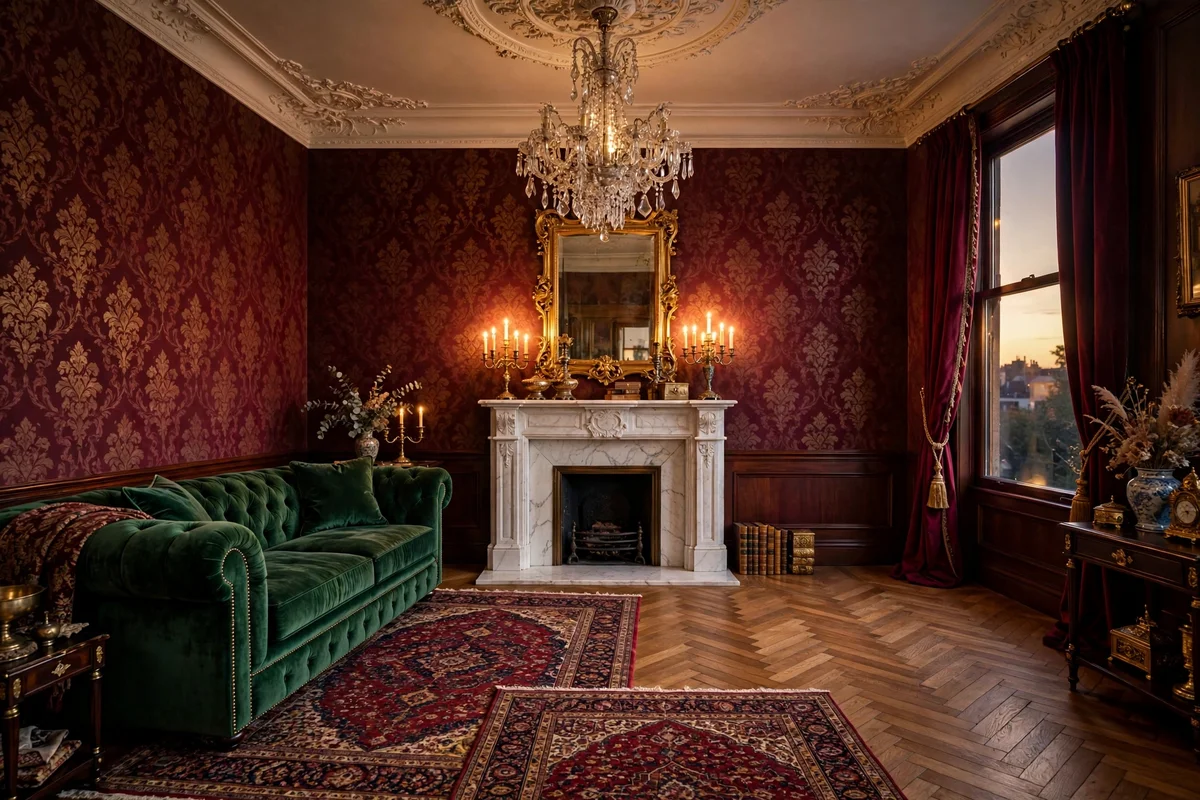
Victorian living rooms are pure theater: tufted velvet, gilded frames, candlelit sconces, and furniture that looks carved by hand. Born in the 19th century era of Queen Victoria, this style layers rich color, ornate detail, and plush texture into rooms that feel warm, grand, and deeply personal. Think Chesterfield sofas, marble fireplaces, Persian rugs, crystal chandeliers, and shelves full of porcelain curios. Below you will find 34 Victorian living room ideas that capture the opulence of the era while still working in a modern home. Each idea includes realistic price ranges and a pro tip, so you can build the look at your own pace, whether you go full period parlor or just borrow the best Victorian accents.
Victorian Bones: Walls, Ceilings and Floors
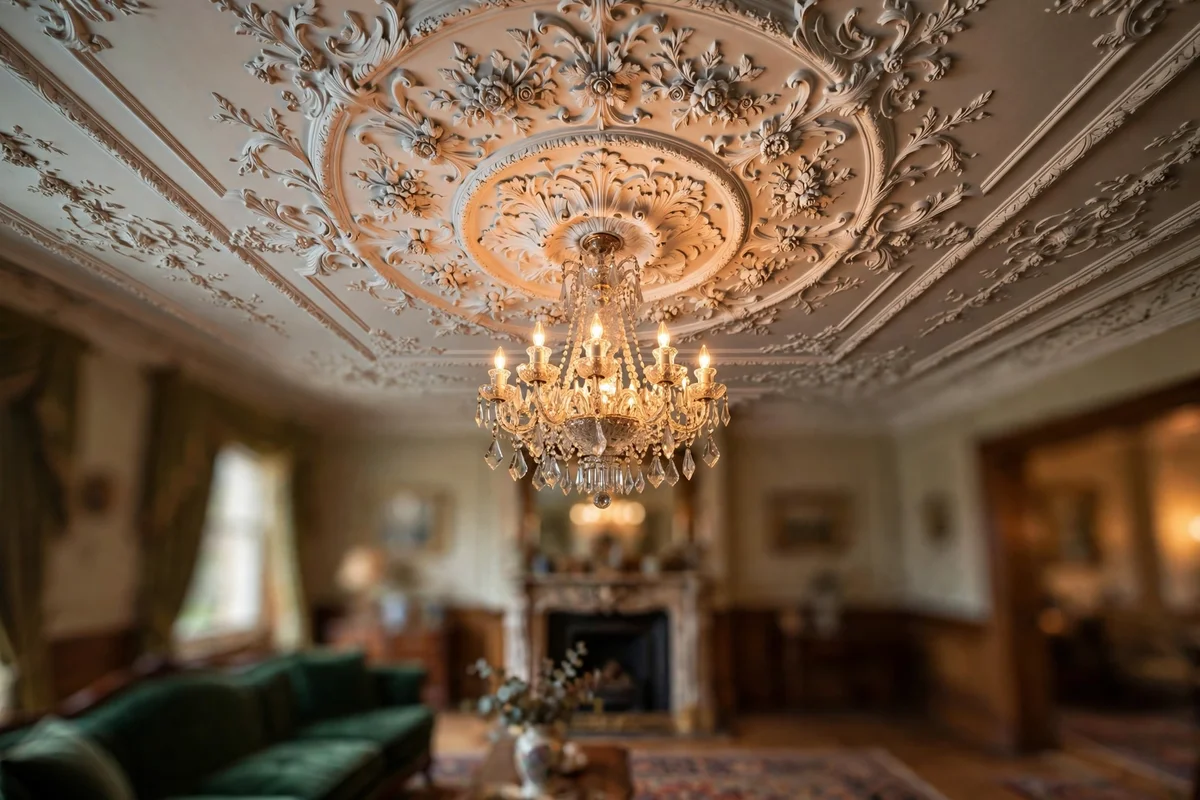
1. Install an Ornate Plaster Ceiling Medallion
A decorative ceiling medallion around your chandelier is one of the fastest ways to add Victorian architecture without a renovation. Lightweight polyurethane medallions ($25 to $60) mimic hand-carved plaster and paint up beautifully in ceiling white or a soft antique gold. They come in diameters from 12 to 36 inches, so match the size to your fixture: a medallion about 12 inches wider than the chandelier looks balanced. Paint it the same white as the ceiling for a subtle period detail, or pick out the relief in aged gold for drama. Pro tip: center the medallion with the room’s main seating axis, not the electrical box, and move the box if needed.
2. Layer Deep Crown Molding and Cornices
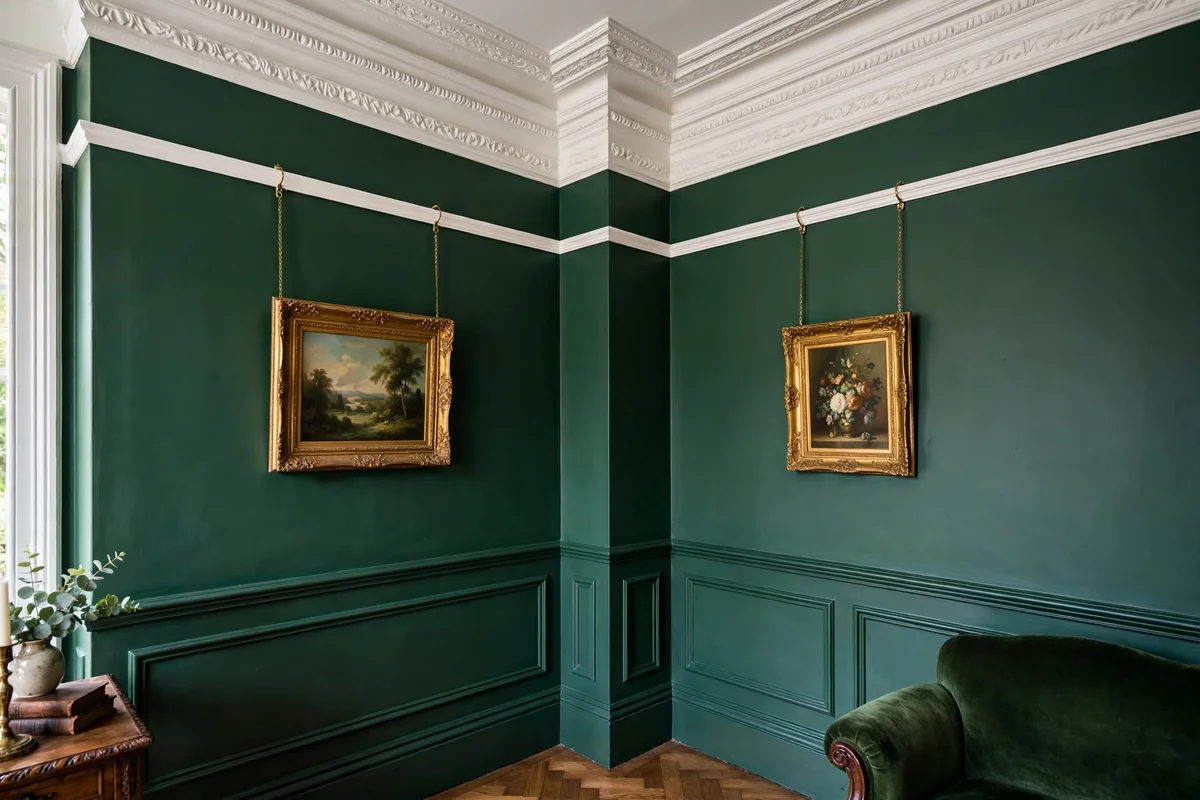
Victorian ceilings met their walls with stacked, profiled cornices, sometimes four or more layers deep. If your room has basic trim, you can build up a similar look with MDF molding profiles ($2 to $6 per linear foot) layered in graduating widths. Paint them semi-gloss white to catch the light and make the ceiling feel taller. For a truly period feel, add picture rail molding about 12 inches below the ceiling, originally used for hanging art on hooks, which doubles as a charming gallery system. Pro tip: use paintable caulk on every joint before painting; crisp seams are what make stacked molding look expensive.
3. Hang Damask Wallpaper on an Accent Wall
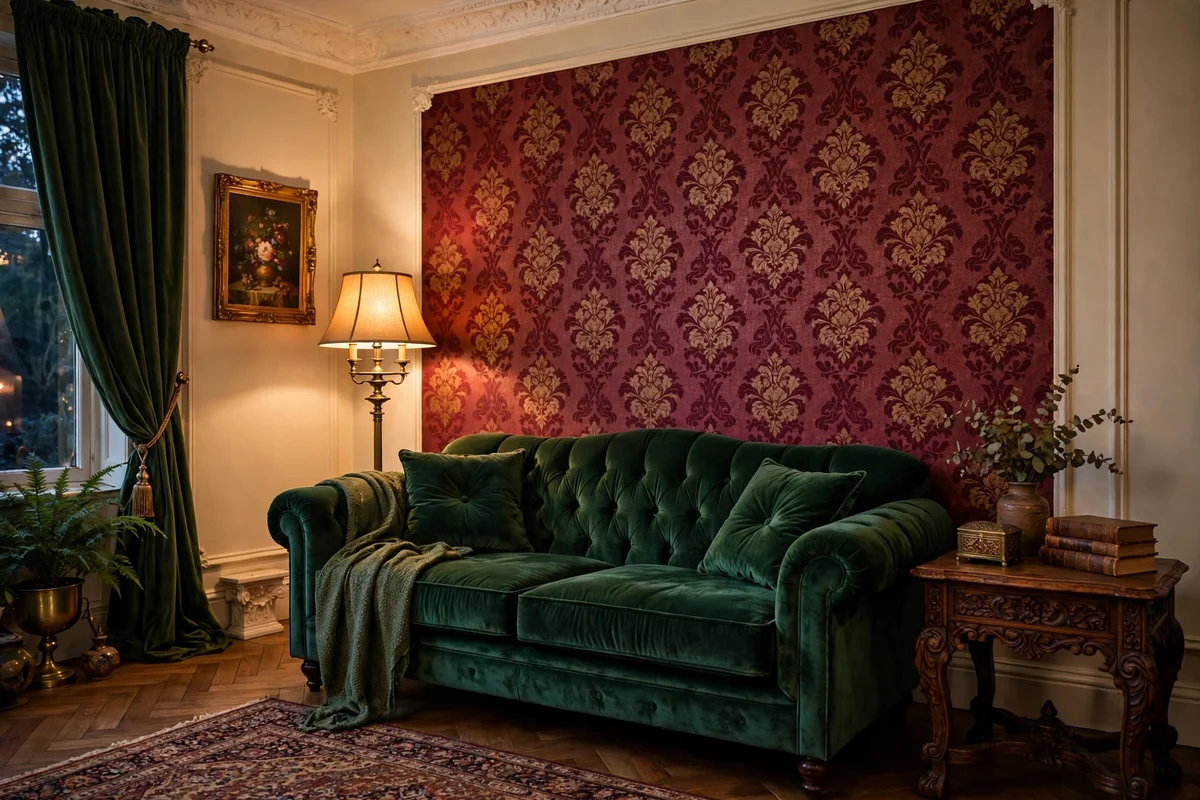
Damask and brocade-style wallpaper is the signature Victorian wall treatment: repeating medallion motifs in tone-on-tone color that read as texture from across the room. Cover one main wall (behind the sofa works best) and keep the others in a coordinating solid. Peel-and-stick damask ($35 to $80 per roll) is renter-friendly and convincing at distance. Choose deep tones like oxblood, ink navy, or hunter green for authenticity, or a silver-on-cream damask if you want the pattern without the moodiness. Pro tip: hang the wallpaper behind open shelving or the mantel so furniture breaks up the pattern and it never overwhelms.
4. Add Wainscoting and Applied Wall Panels
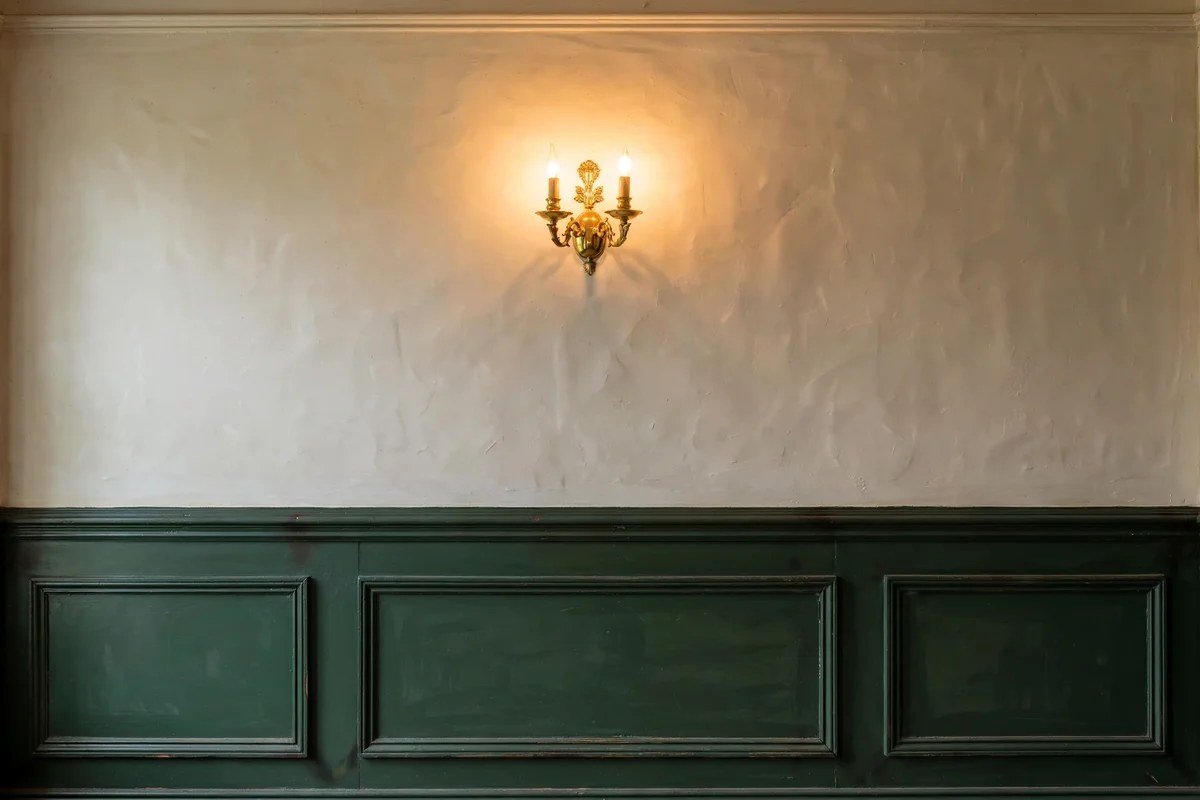
Wainscoting gives flat drywall the paneled architecture Victorian rooms are known for. Board-and-batten or applied picture-frame molding below a chair rail ($4 to $9 per linear foot in materials) is the most budget-friendly route, and a single weekend project can transform the whole room. Paint it the same color as the walls for quiet texture, or a deep shade like charcoal green with lighter walls above for a dramatic two-tone Victorian look. Pro tip: keep the chair rail at 32 to 36 inches high, which matches historic proportions and suits modern ceiling heights.
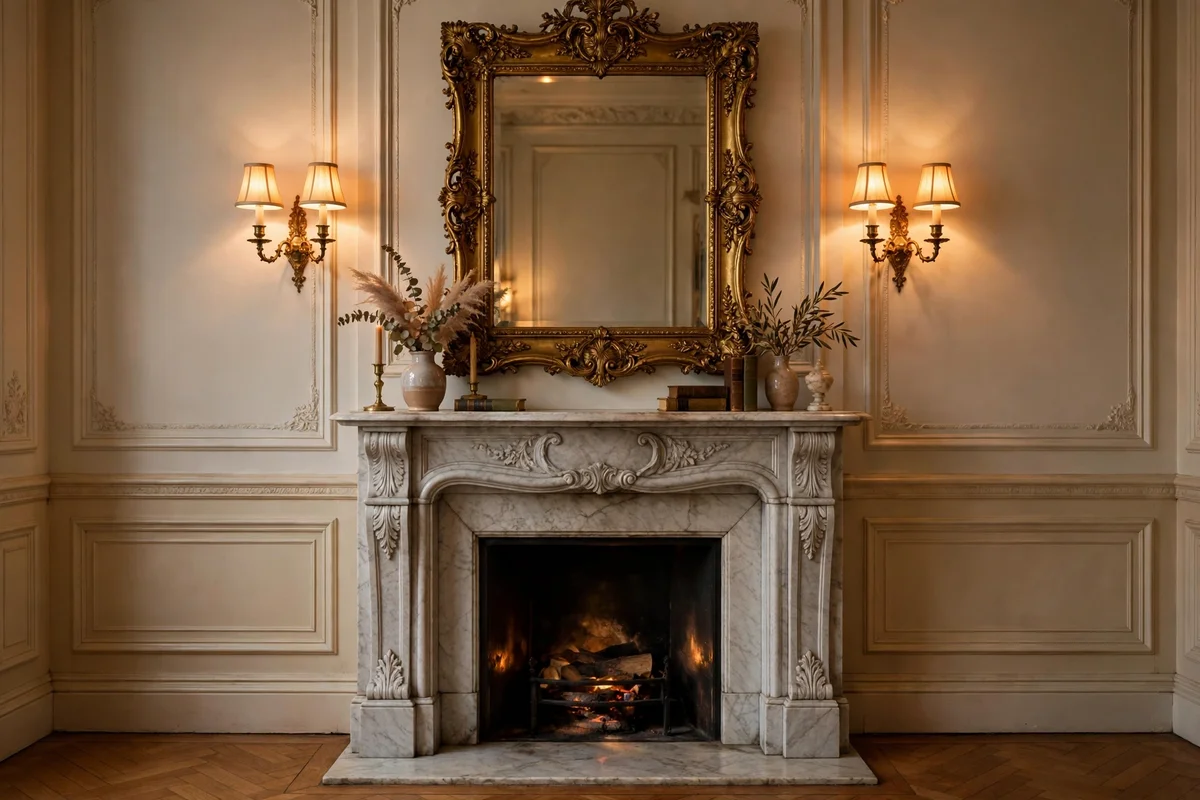
5. Restore or Faux-Finish an Ornate Fireplace
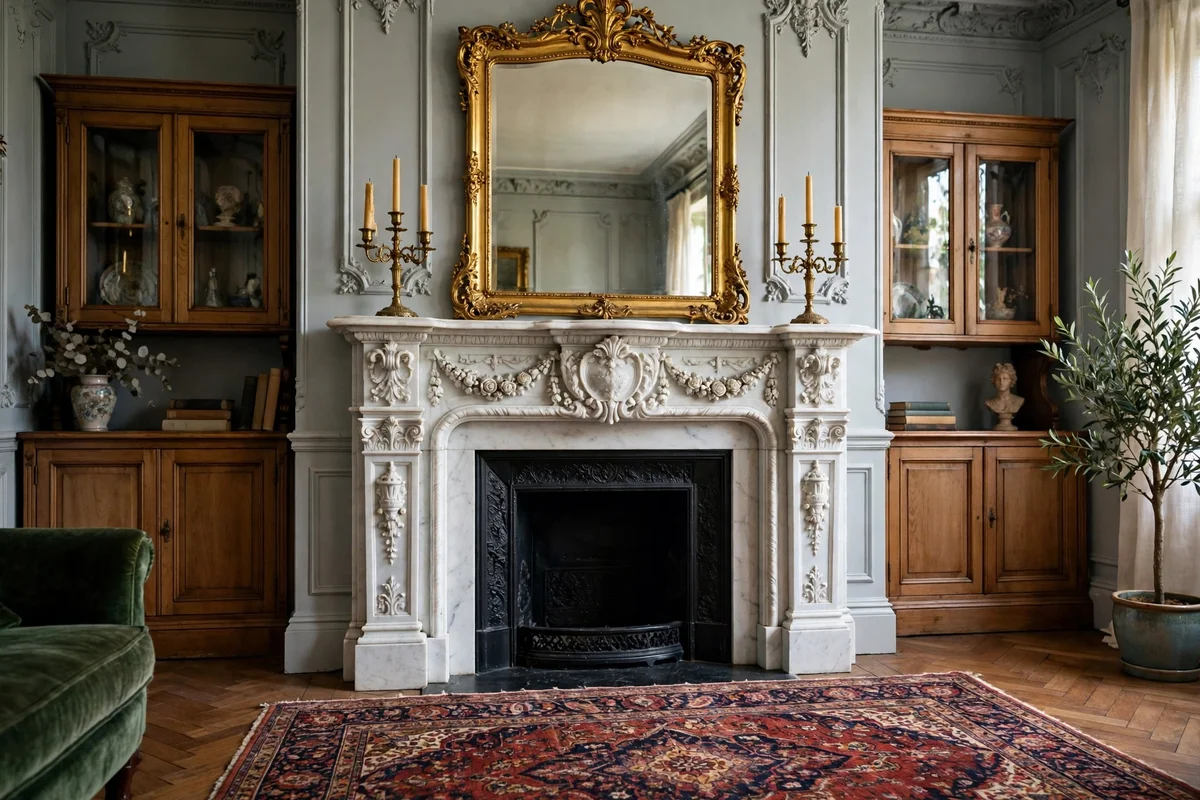
A marble or carved-wood mantel is the emotional center of a Victorian parlor. If you have a dated fireplace, painting the surround a deep green or black and styling the mantel with candelabra and gilt frames ($40 to $120 for a pair of brass candlesticks) gets you 80 percent of the effect. No fireplace at all? A faux mantel shelf with an arched mirror above and a basket of birch logs below ($150 to $300 total) fakes the focal point convincingly. Pro tip: place a large mirror above the mantel, not art; Victorians used mirrors to multiply candlelight, and it still works.
6. Dress Bay Windows with Layered Drapes
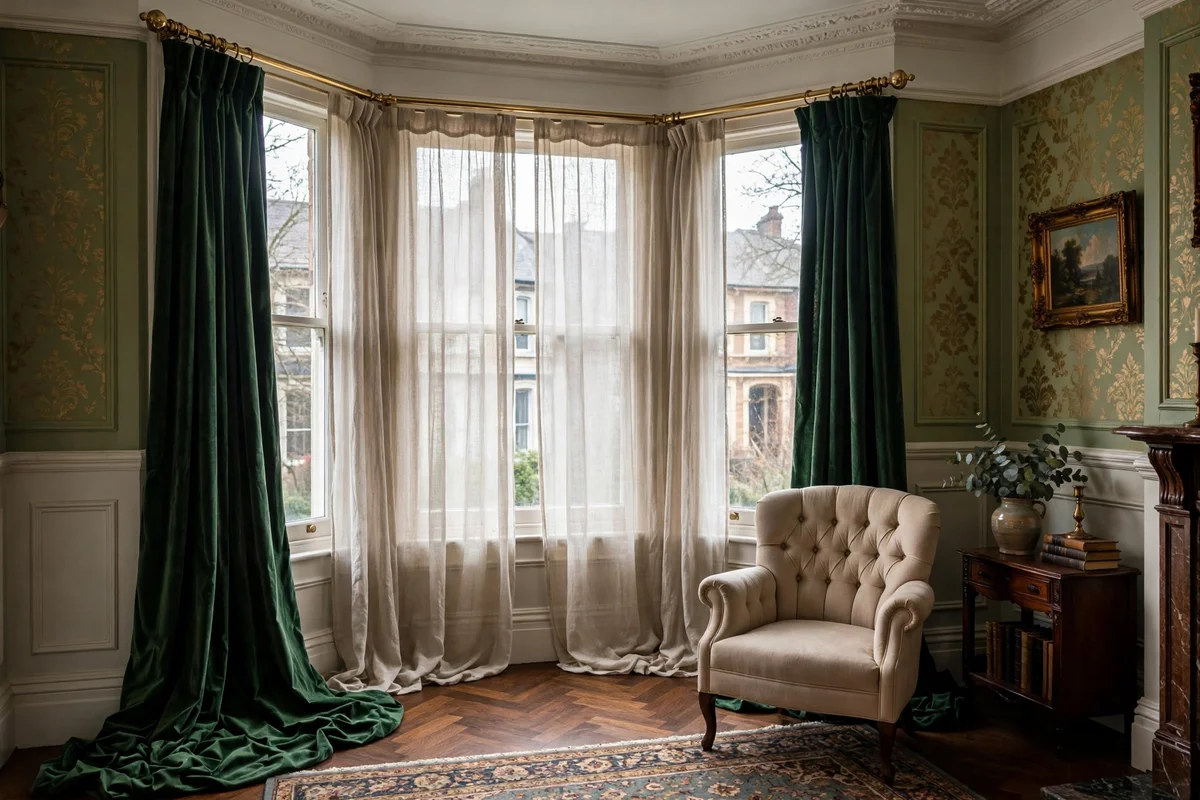
Victorian windows wore layers: sheer linen against the glass, heavy velvet or brocade drapes over them, and often a valance or pelmet on top. A bay window ($120 to $350 for three panels of velvet curtains) becomes a room centerpiece dressed this way. Mount the rod near the ceiling and extend it 6 to 8 inches past the window sides so the drapes frame the view instead of covering it. Brass or dark wood rods with finials complete the period hardware story. Pro tip: puddle the drapes 2 to 3 inches on the floor for that soft, lived-in Victorian puddle rather than a crisp hem.
7. Lay Herringbone or Parquet Wood Floors
Victorians loved patterned floors: herringbone, chevron, and parquetry blocks were the era’s luxury standard. If replacing floors is not in the cards, luxury vinyl planks in herringbone pattern ($3 to $6 per square foot) mimic the look at a fraction of the cost and install floating over existing floors. Pair the pattern with a dark stain (walnut or espresso) for instant period gravitas. Keep the pattern direction running toward the longest sightline to stretch the room visually. Pro tip: order 10 percent extra material; herringbone cutting creates more waste than straight planks.
8. Layer Persian and Oriental Rugs
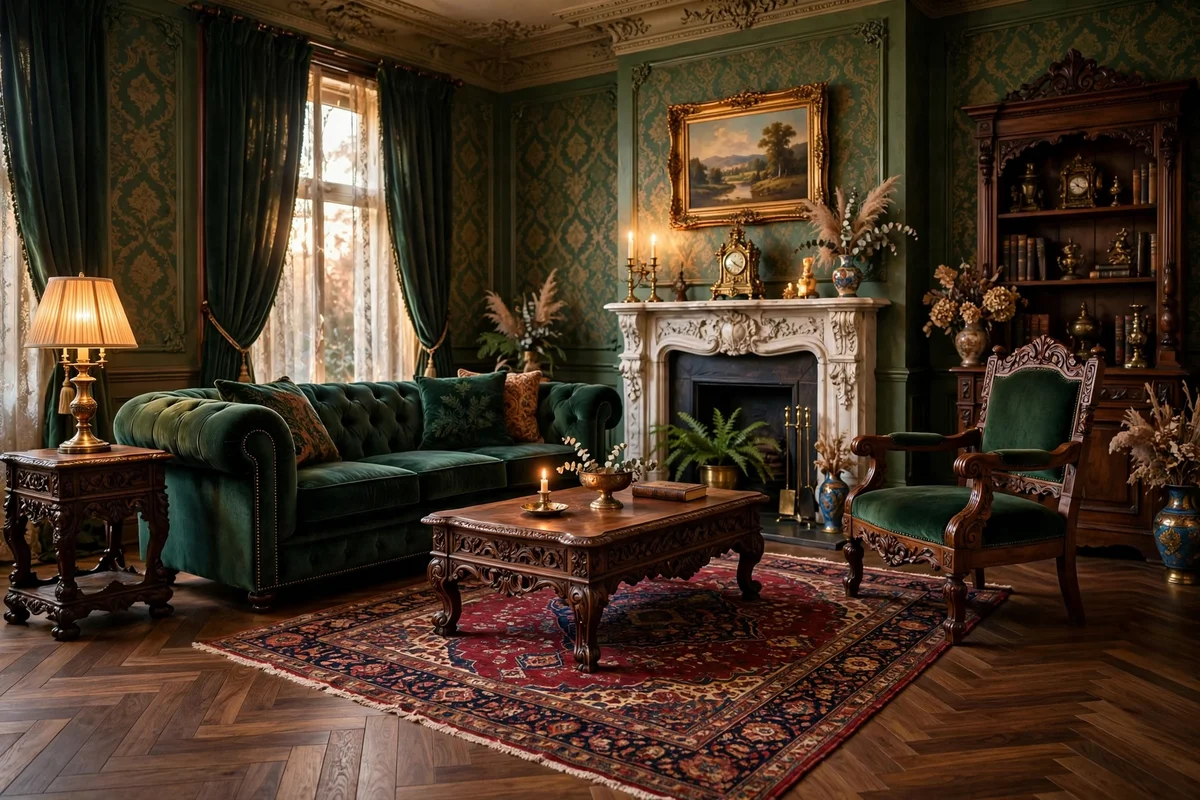
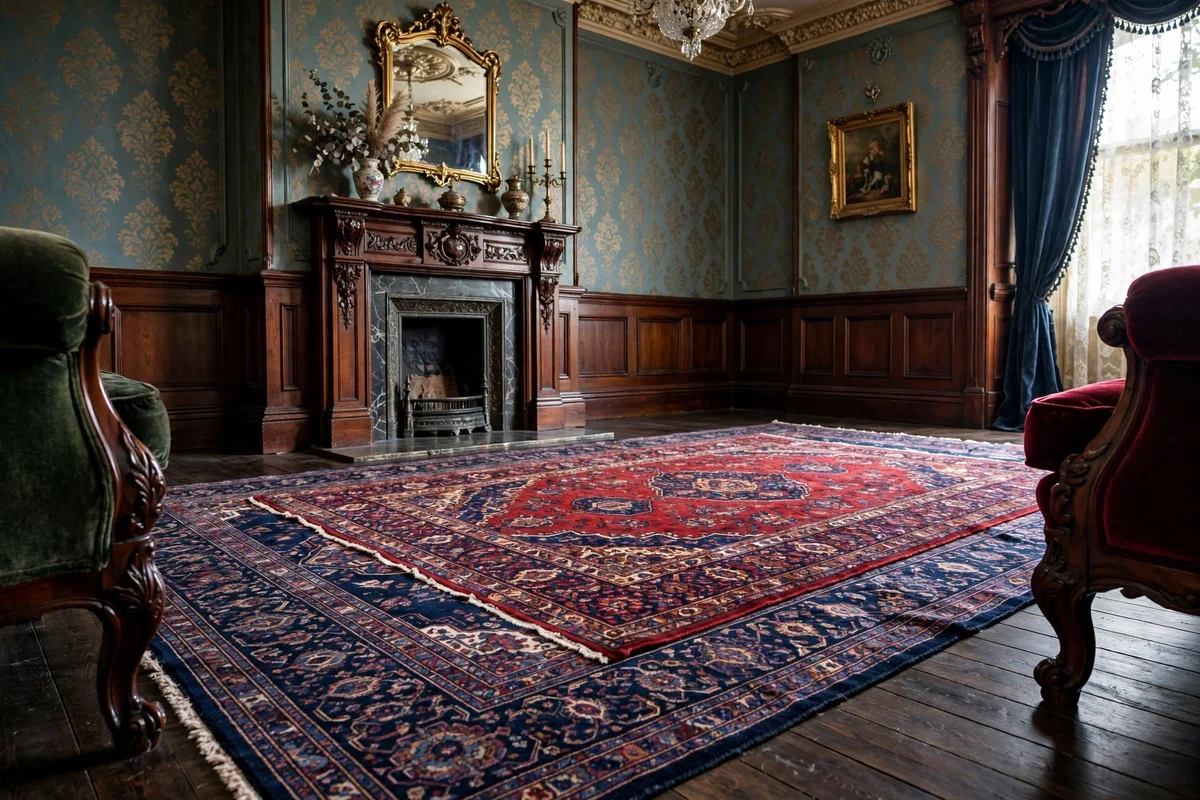
No Victorian room sat on bare floors. One large Persian or Oriental rug anchors the seating area, and the Victorians themselves layered smaller rugs over larger ones for a collected feel. Authentic hand-knotted pieces run $300 to $1,500, but machine-woven Persian-style rugs ($80 to $250) look convincing under furniture. Stick to the era palette: deep reds, navy, ivory, and gold with medallion or allover patterns. Let the front legs of the sofa sit on the rug so the arrangement feels grounded. Pro tip: use a thick felt rug pad underneath; it protects floors and gives that plush, quiet Victorian underfoot feel.
9. Swap in Pocket Doors or Brass Hardware
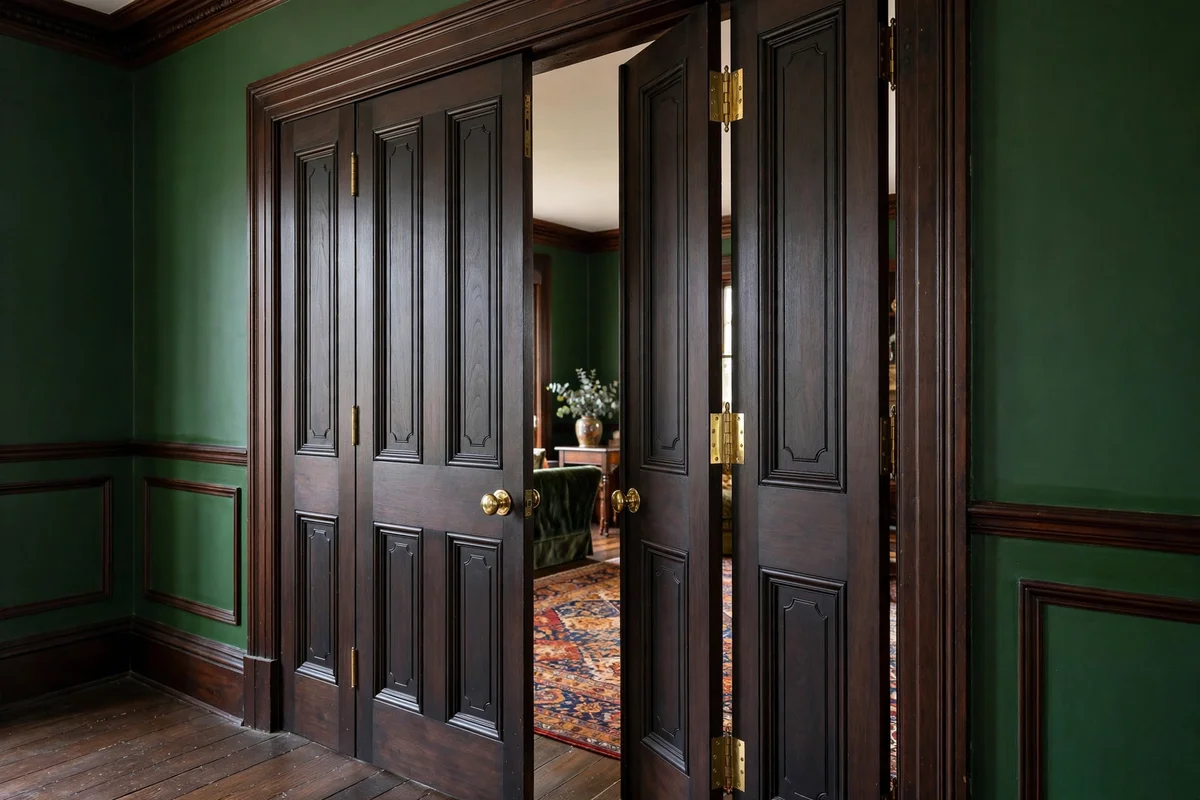
Grand Victorian homes used sliding pocket doors and heavy brass hardware everywhere. If your living room has a plain hollow-core door, swapping to a paneled door with brass knobs and hinges ($180 to $400) adds instant period weight. For open floor plans, a pair of vintage-style sliding doors on black iron rails ($250 to $500) gives the pocket-door feel without rebuilding walls. Polish existing brass with a vinegar-flour paste to bring back the original shine. Pro tip: match all door hardware in the sightline, including hinges; mismatched metals break the period illusion faster than anything.
Opulent Seating and Statement Furniture
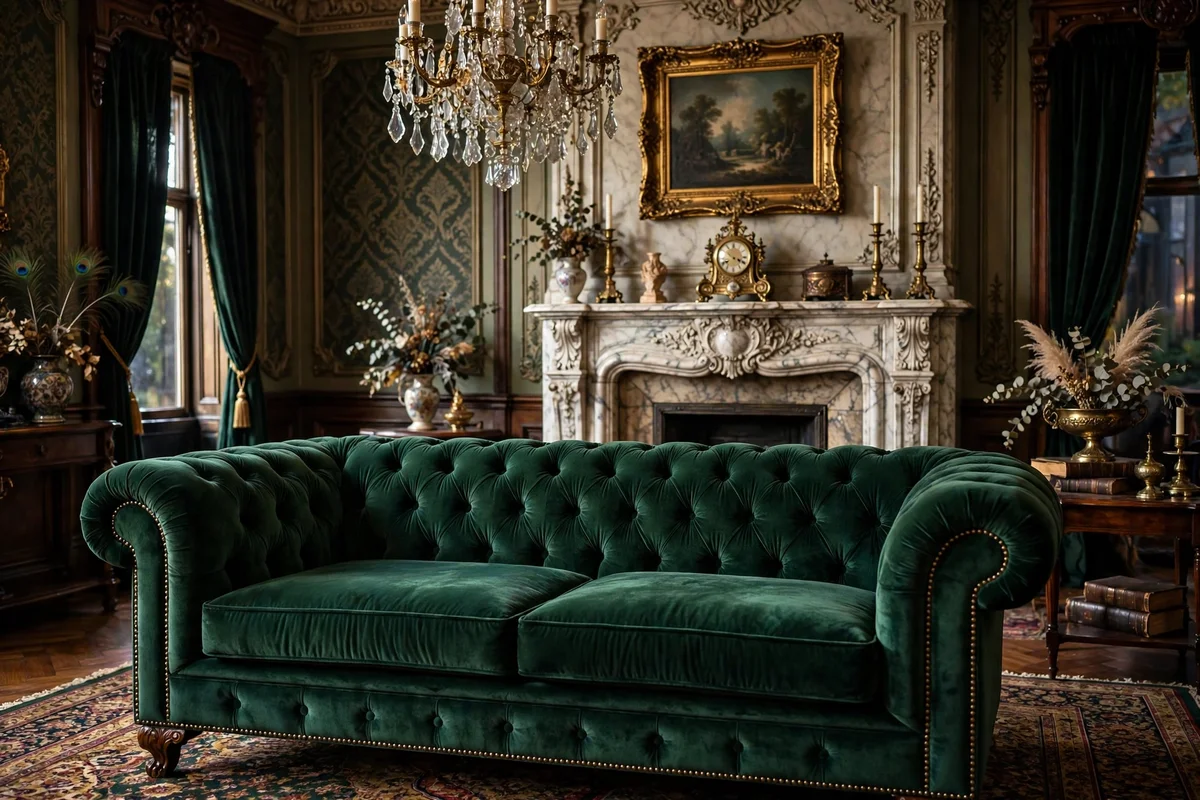
10. Anchor with a Velvet Chesterfield Sofa
The deep-buttoned Chesterfield is the single most Victorian piece of furniture you can buy. Its rolled arms, low back, and tufted upholstery date to the 18th century but became the Victorian gentleman’s club icon. A quality velvet Chesterfield sofa ($900 to $2,200) in emerald, oxblood, or midnight navy instantly sets the room’s tone. Velvet photographs beautifully and hides wear better than flat weaves. Position it facing the fireplace or the room’s main window to create a natural parlor arrangement. Pro tip: look for hand-tied springs and a kiln-dried hardwood frame; a Chesterfield is an investment piece, and frame quality decides whether it lasts 5 years or 25.
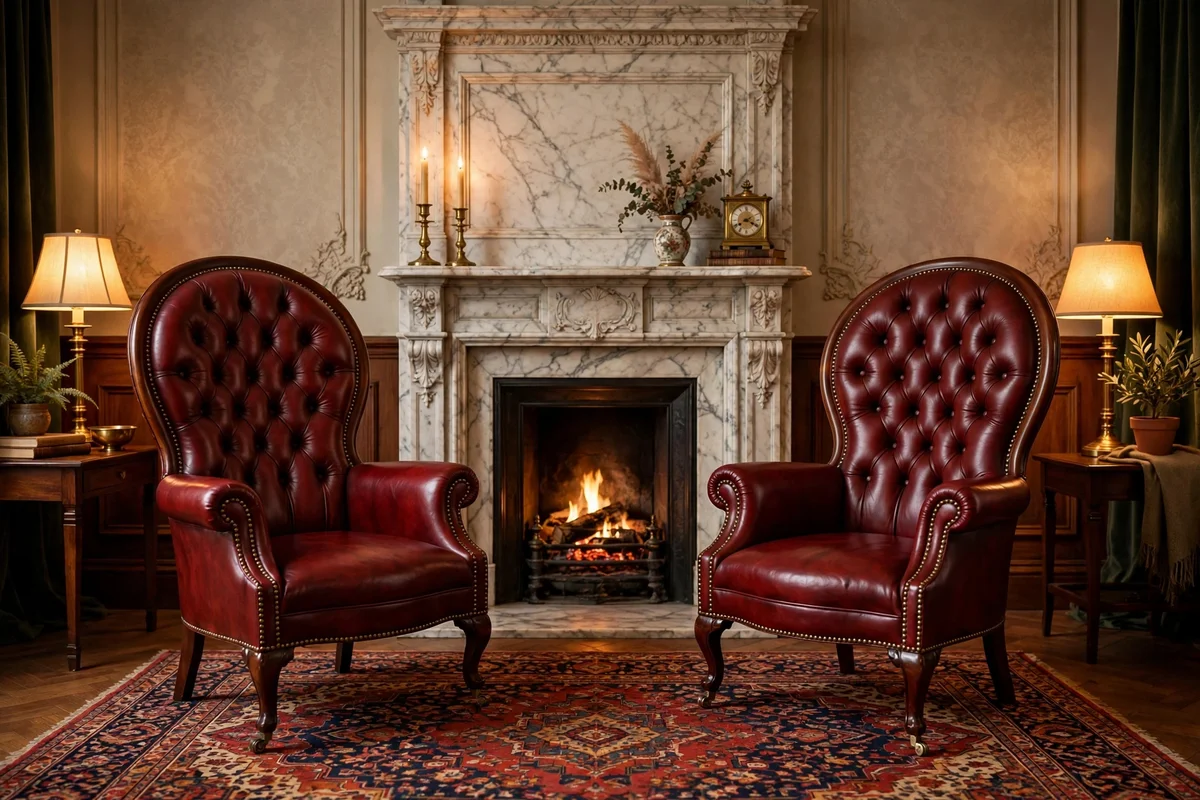
11. Add Button-Tufted Victorian Armchairs
Flank the fireplace or sofa with a pair of tufted armchairs for the classic Victorian conversation layout. Spoon-back or balloon-back chairs with nailhead trim ($250 to $600 each) read unmistakably period. Mix upholstery: a patterned brocade chair beside a solid velvet one feels collected rather than showroom-matched, which is exactly how Victorians furnished their rooms. Keep the scale generous; Victorian chairs were substantial, and undersized modern chairs look lost in the style. Pro tip: angle the pair slightly toward each other and the sofa to form a U shape, the historic parlor seating plan.
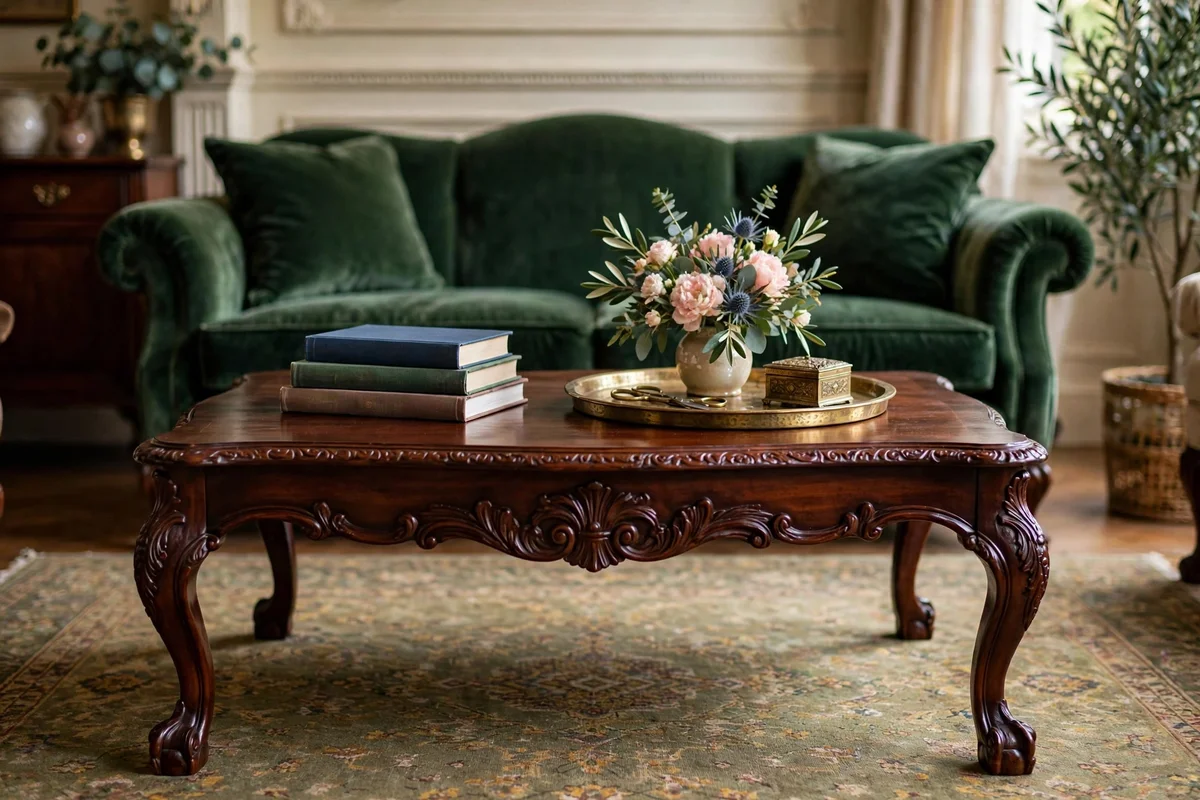
12. Choose a Carved Mahogany Coffee Table
Victorian coffee tables, though the low table as we know it came later, work best in dark carved wood with cabriole legs or a beveled glass top over a carved base. A reproduction mahogany table ($300 to $700) or a genuine antique found at estate sales ($150 to $400) grounds the seating group. Style it the Victorian way: a stack of art books, a small brass tray, and one low floral arrangement, never cluttered. The dark wood echoes the era’s love of deep, rich materials. Pro tip: place coasters everywhere, visibly; Victorians protected their polished wood, and doilies or leather coasters double as period decor.
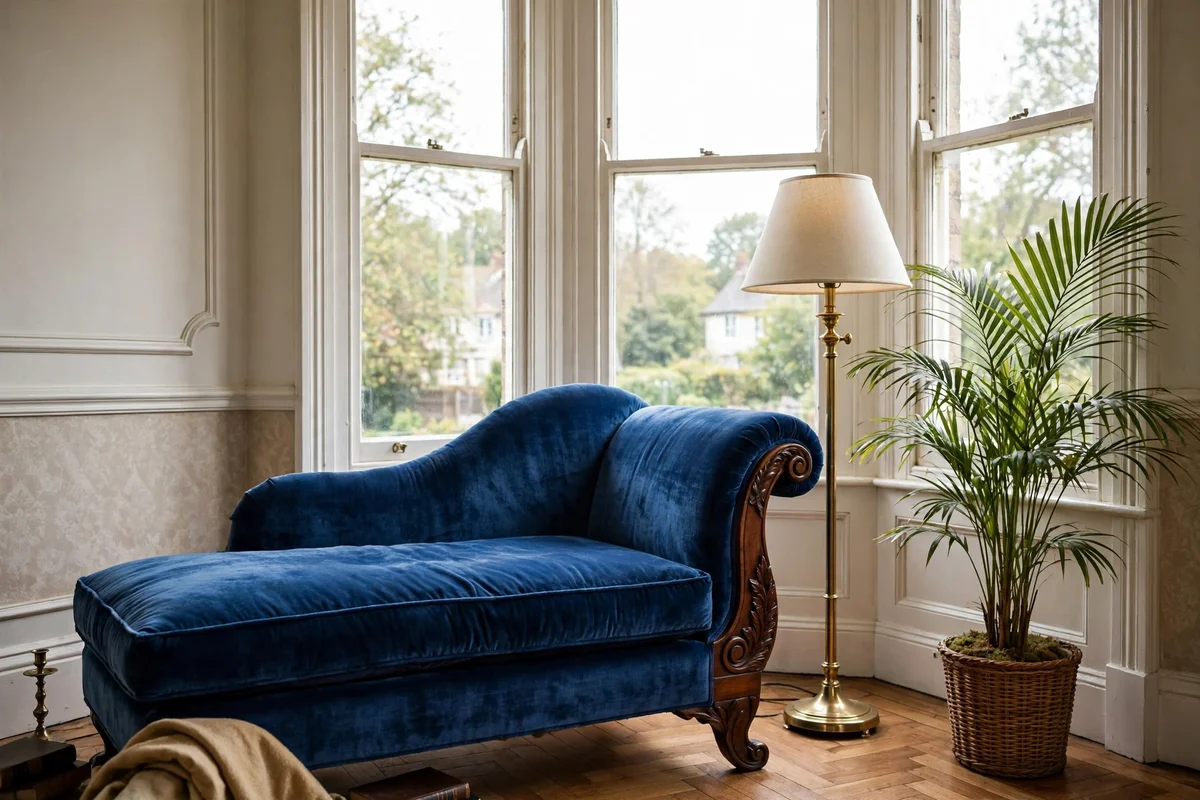
13. Include a Fainting Couch or Chaise Lounge
The fainting couch, a one-armed chaise designed for Victorian ladies in tight corsets, is pure period theater and endlessly useful. A velvet or damask fainting couch ($400 to $900) works as extra seating, a reading spot by the window, or a dramatic entry to the room. Place it perpendicular to the sofa so its silhouette reads against the wall. Upholstery in a jewel tone with deep tufting sells the look; keep the throw pillows minimal so the curve of the piece stays visible. Pro tip: a fainting couch beside a tall plant or floor lamp creates a ready-made reading vignette that photographs beautifully for Pinterest.
14. Display Curios in an Etagere Cabinet
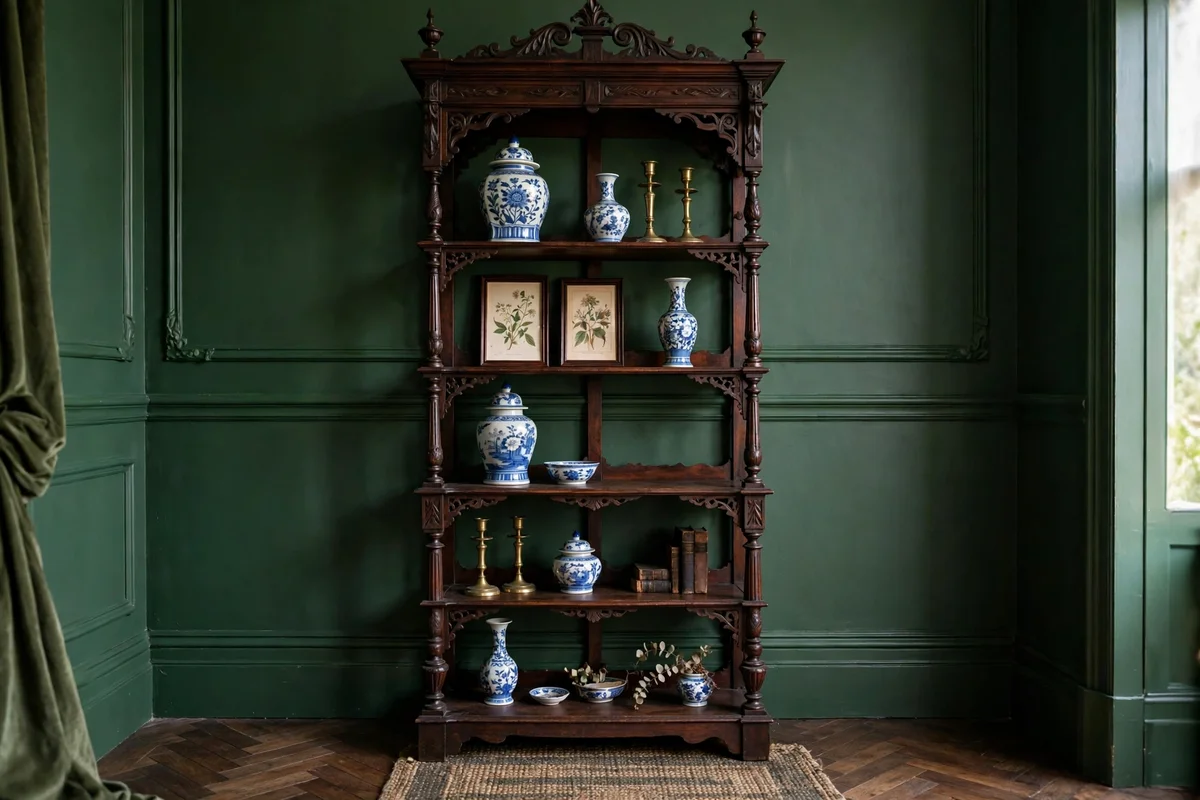
Victorians were collectors, and the etagere, an open tiered shelf, was built to show off porcelain, shells, and souvenirs. A tall wooden or brass etagere ($200 to $600) gives you vertical display without the bulk of a bookcase. Style shelves in odd-numbered groups: three blue-and-white vases, five small framed botanical prints, a brass candlestick pair. Leave some breathing room; Victorian shelves were full but curated, with each object visible. Pro tip: back the etagere against your damask or painted wall so the display pops; a dark backdrop makes porcelain and brass glow.
15. Add a Writing Secretary Desk
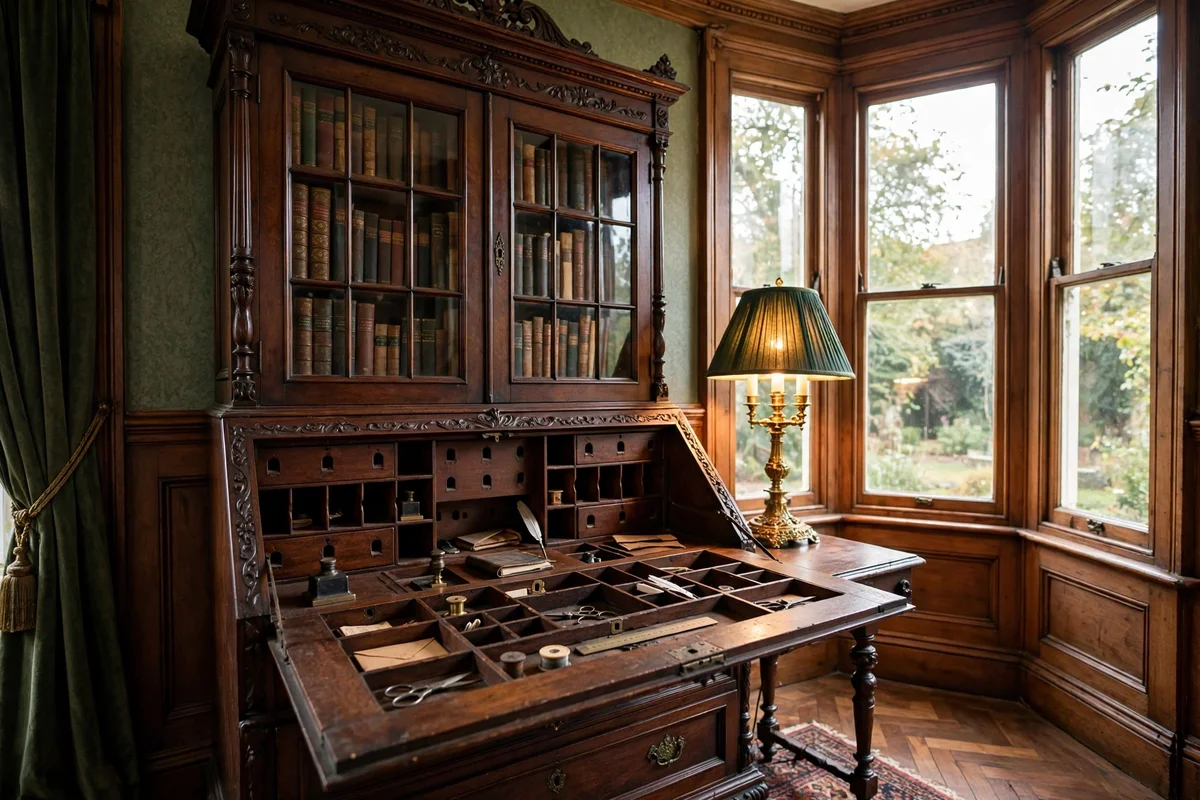
A slant-front secretary desk ($350 to $800) brings Victorian function and form: the drop-down writing surface, pigeonhole interior, and glass-front bookcase above are irresistible period details. Use it as a compact home office that closes up beautifully, hiding modern clutter behind historic charm. Place it near a window for natural writing light and style the top with an inkwell-style pen cup, a stack of letters, and a small brass lamp. Pro tip: vintage secretaries often have sticky drawers; a quick rub of candle wax along the runners fixes most of them in minutes.
16. Style a Grand Piano Corner
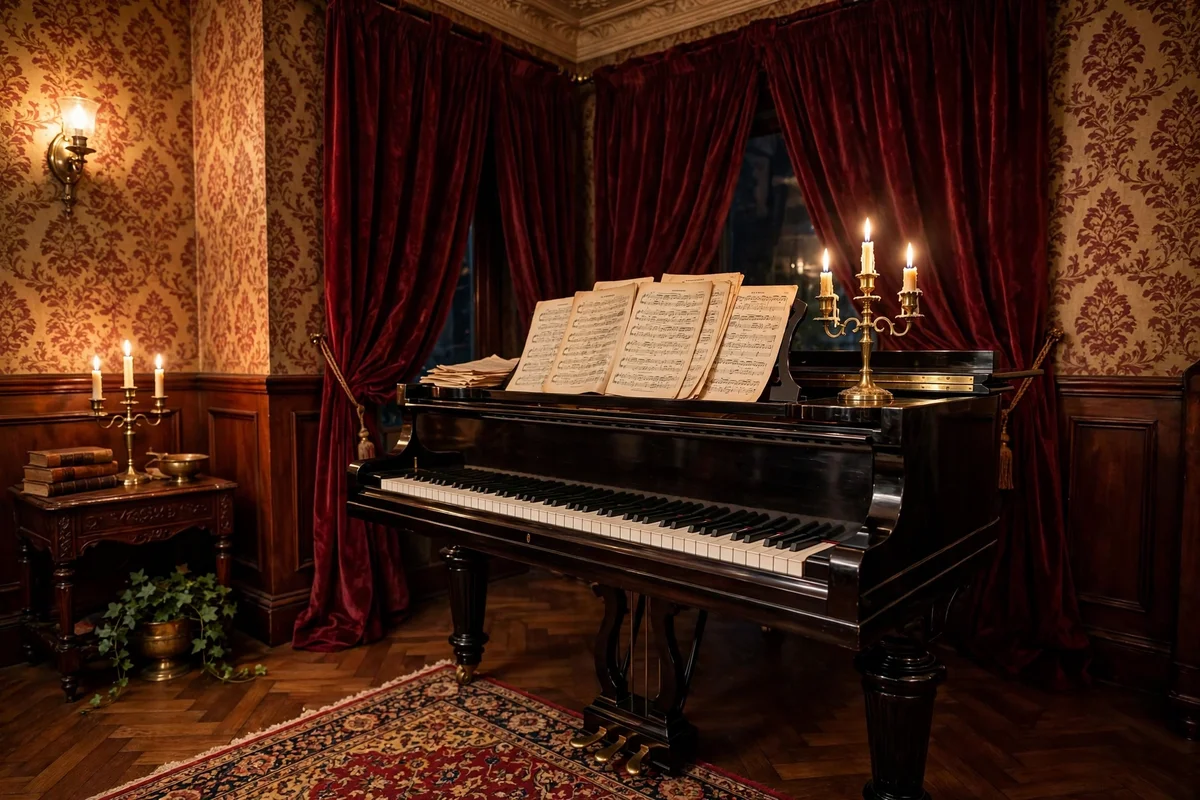
Nothing says Victorian parlor like a piano. A baby grand ($3,000 to $8,000 used) is the dream, but an upright piano ($500 to $2,000) dressed with candelabra, framed sheet music, and a velvet piano runner delivers the same romance. Even a non-playing piano works as a sculptural console if tuned and polished. Position it so the lid opens toward the room’s center, the historic performance orientation, and flank it with a plant and a floor lamp. Pro tip: stack vintage-look sheet music and a metronome on top; these small props sell the story even if nobody plays.
17. Bring in a Gilded Rococo Settee
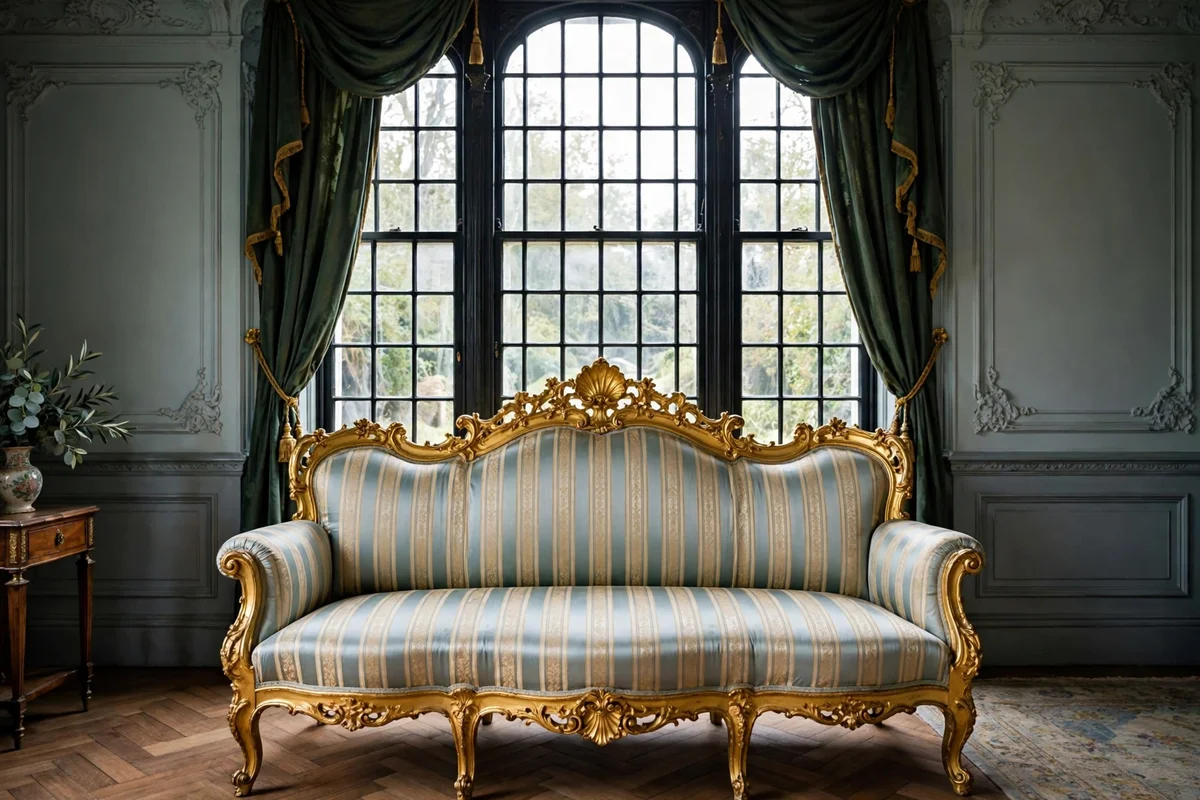
For maximum opulence, a gilt-wood settee with carved crest rail and cabriole legs ($500 to $1,200 reproduction) is the Victorian showpiece. These were the era’s status furniture, often placed in entry halls or beneath windows. Reupholster a vintage find in striped silk or floral damask ($200 to $400 for fabric and labor) for a custom look at half the retail price. Use it where its carved back shows: against a wall, under a window, or at the foot of nothing at all. Pro tip: touch up worn gilding with gold leaf pen or rub-and-buff in antique gold; a 20-minute refresh makes carvings glow.
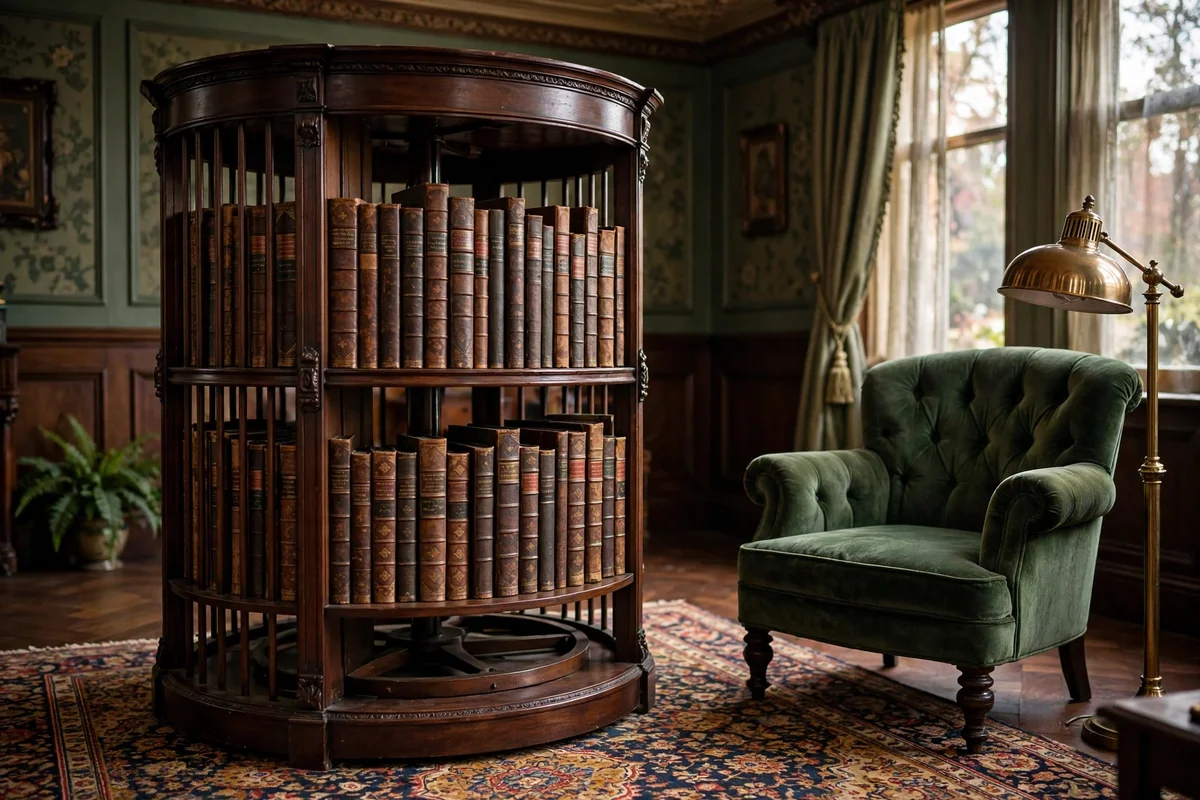
18. Tuck in a Revolving Bookcase
The revolving bookcase, patented in the Victorian era for gentlemen’s libraries, is a charming period detail that fits modern small spaces. A two-tier revolving bookcase ($150 to $350) holds a surprising number of books and spins for easy access. Style it beside an armchair with a stack of leather-bound-look books ($30 to $60 for a decorative set) and a small brass reading lamp. The piece reads instantly Victorian while solving a real storage need. Pro tip: face the bookcase’s finished side toward the room’s entrance so it looks intentional from every angle.
Rich Color, Velvet and Pattern
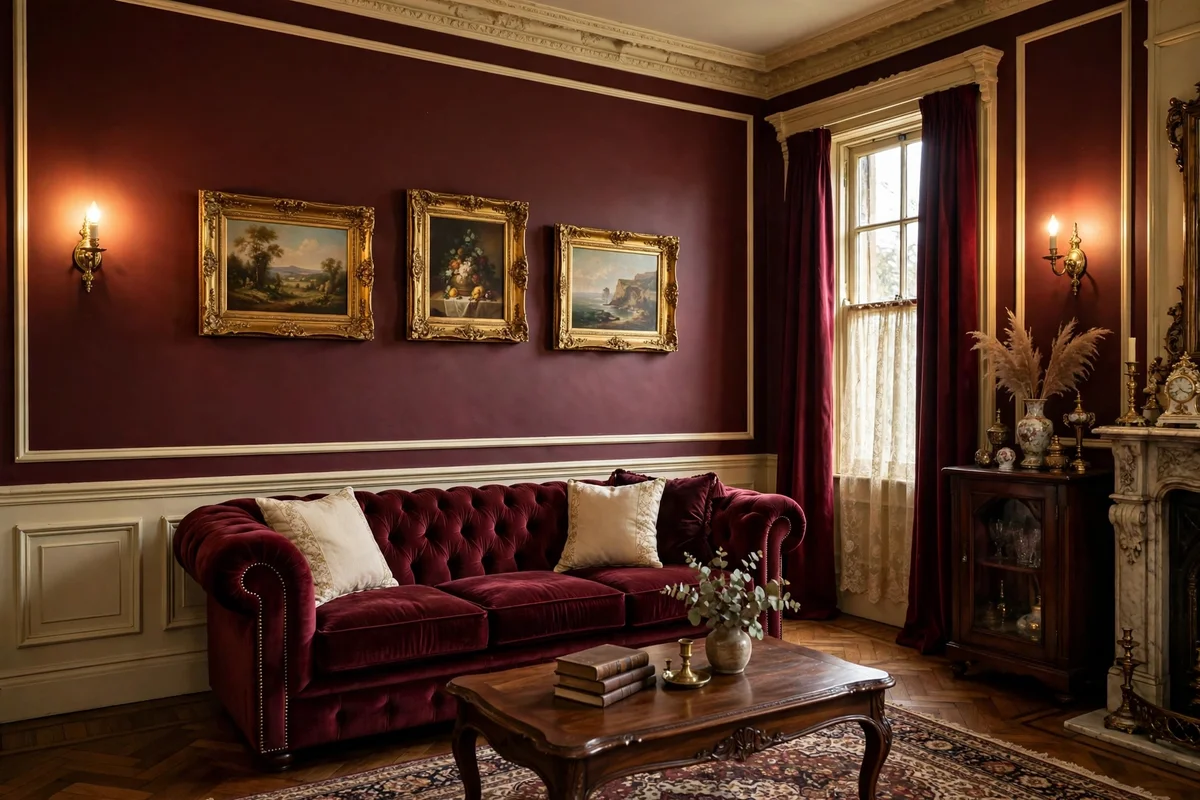
19. Paint Walls in Oxblood Burgundy
Victorian walls were saturated: oxblood, deep garnet, and claret red wrapped rooms in warmth. One burgundy wall ($40 to $70 in paint) behind the main seating creates the signature mood without darkening the whole room. Pair it with cream trim and brass accents so the red glows rather than caves in. This color makes wood furniture look richer and artwork pop, which is exactly why the Victorians chose it for dining rooms and parlors. Pro tip: test a large swatch at night under your lamps; burgundy shifts dramatically between daylight and lamplight, and you want to love both versions.
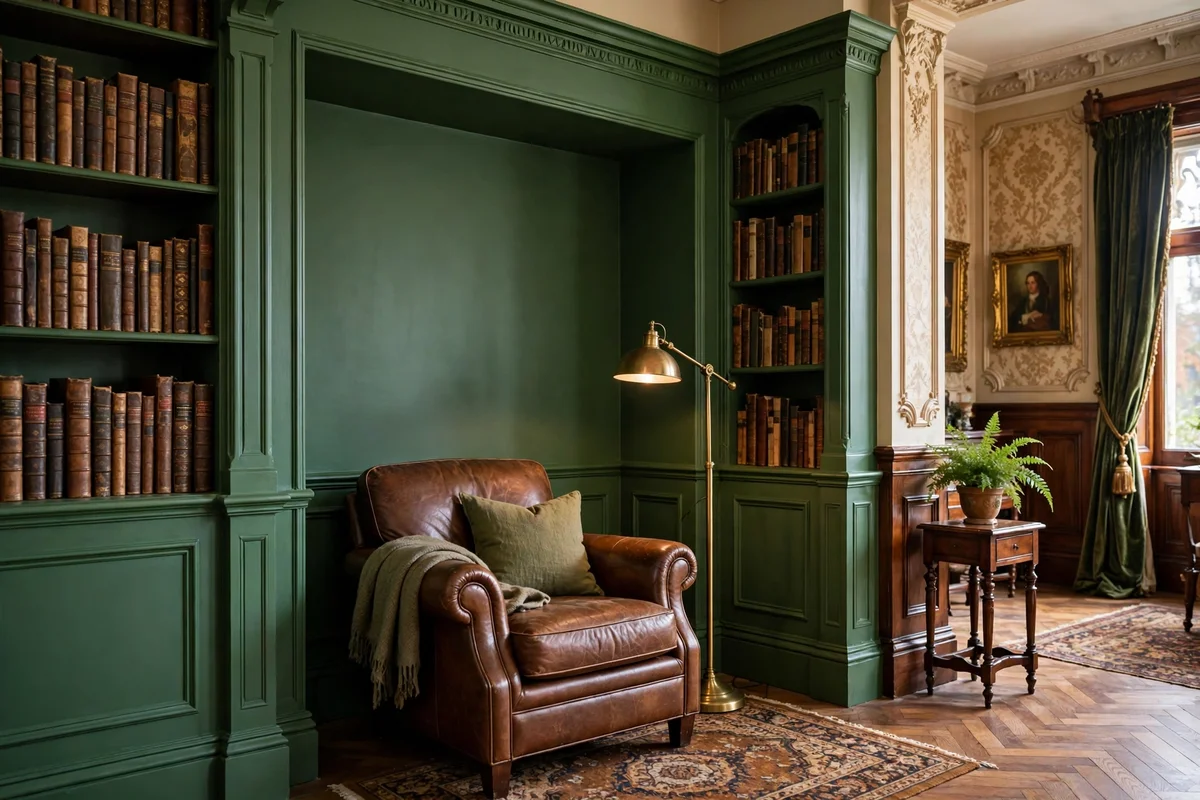
20. Create a Hunter Green Reading Nook
Hunter and bottle green were the Victorian library colors, and a green corner reads instantly period. Paint one alcove or the wall behind a bookshelf in deep green ($40 to $70), add a leather armchair, a brass floor lamp, and a stack of books, and the nook is done. Green flatters wood tones and brass like no other color, and it photographs as richly in daylight as in lamplight. Pro tip: use eggshell or satin finish rather than flat; the slight sheen catches light the way historic oil-based paints did.
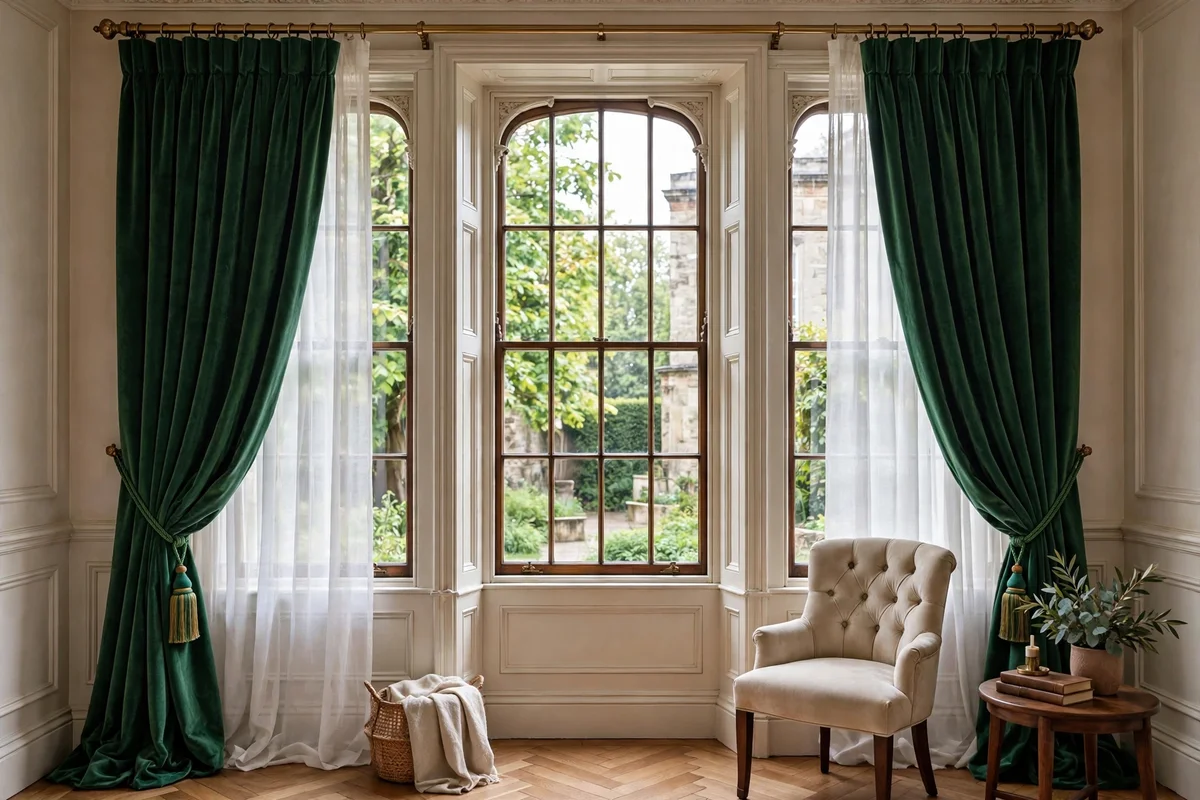
21. Hang Floor-to-Ceiling Velvet Drapes
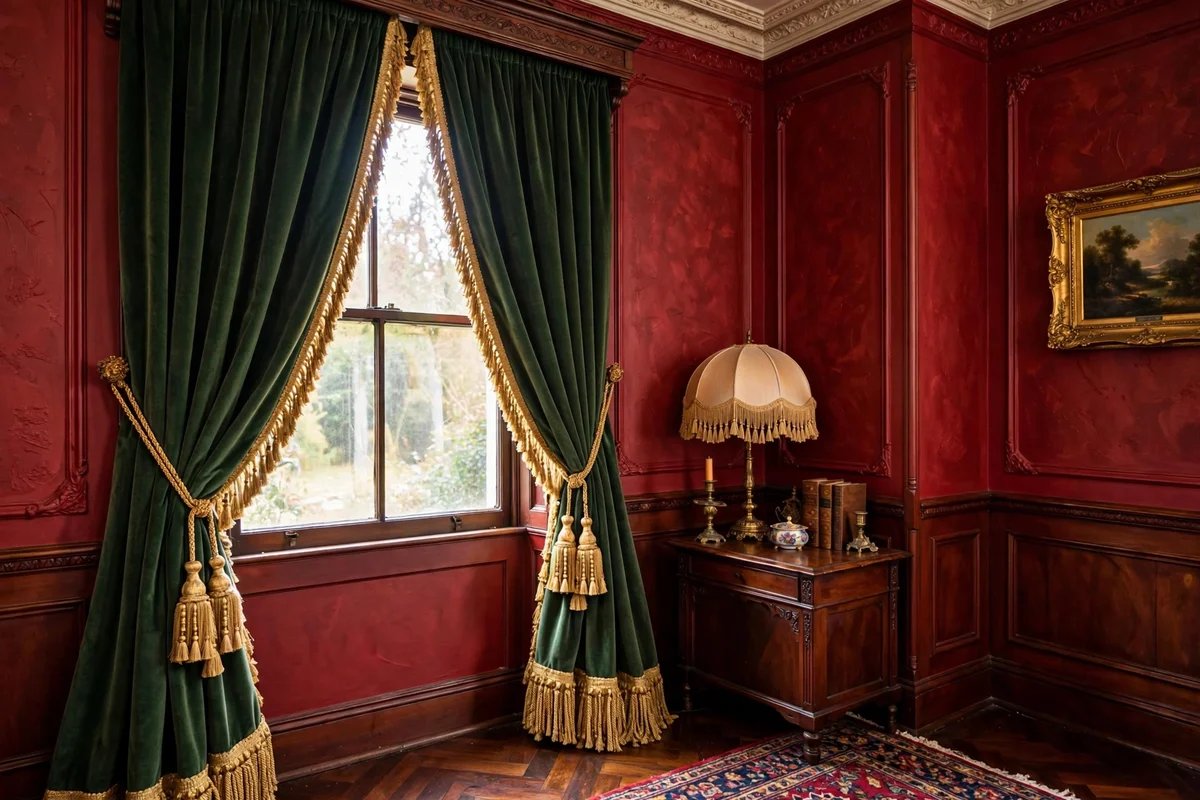
Heavy velvet curtains in jewel tones are non-negotiable for Victorian atmosphere. Two lined velvet panels per window ($80 to $200) add weight, block light for evening mood, and insulate drafty windows the way the originals did. Choose emerald, ruby, or sapphire, and line them in a contrasting silk-look fabric so the fold edges flash color. Tie-backs in braided cord with tassels ($15 to $30 a pair) complete the historic hardware. Pro tip: steam velvet panels after hanging; creases from packaging ruin the drape, and a handheld steamer fixes them in minutes.
22. Pile On Tapestry Throw Pillows
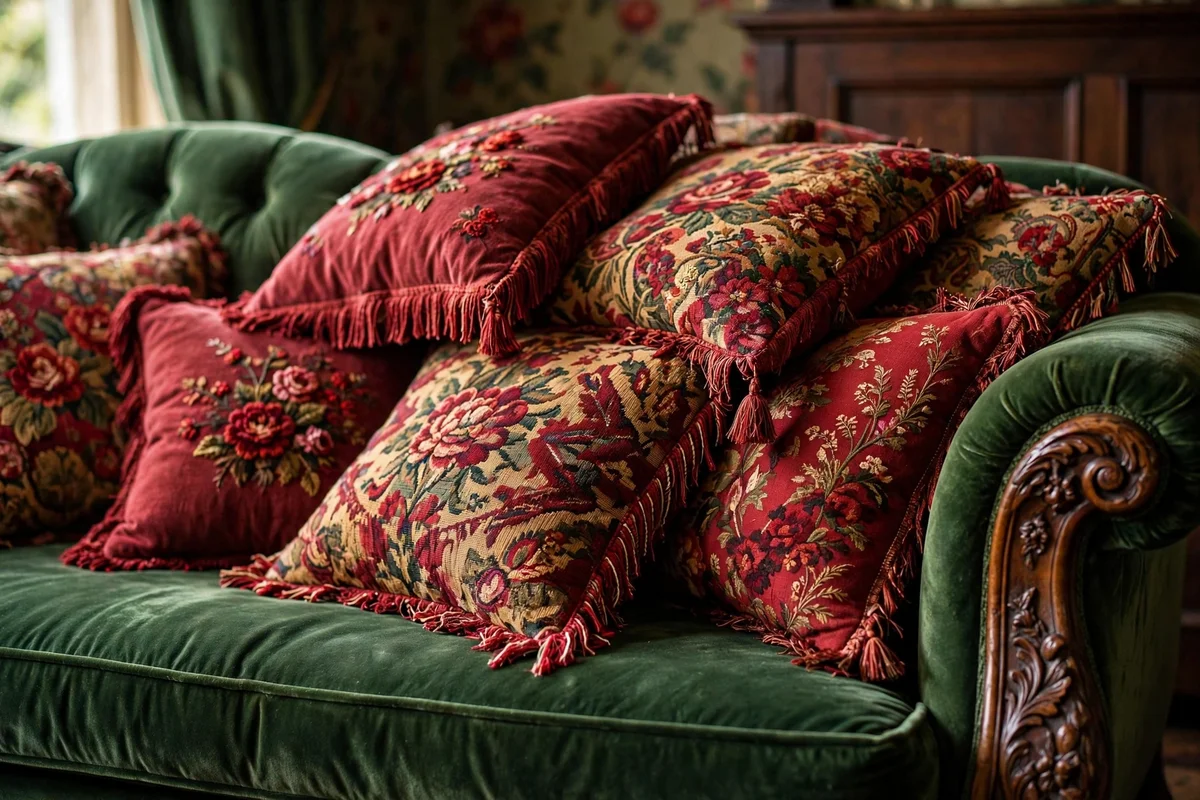
Victorian sofas wore pillows like jewelry: tapestry, petit point, and embroidered cushions in odd numbers and mixed patterns. Five to seven pillows ($12 to $35 each) in florals, hunting scenes, and heraldic motifs layered on a solid velvet sofa create the collected parlor look. Mix sizes, square with lumbar, and include one or two with fringe or cord trim. The key is tonal harmony: keep everything in the same deep palette so the mix feels curated, not chaotic. Pro tip: use feather inserts, not polyester; they karate-chop into that plump Victorian silhouette and hold their shape.
23. Reupholster One Piece in Brocade
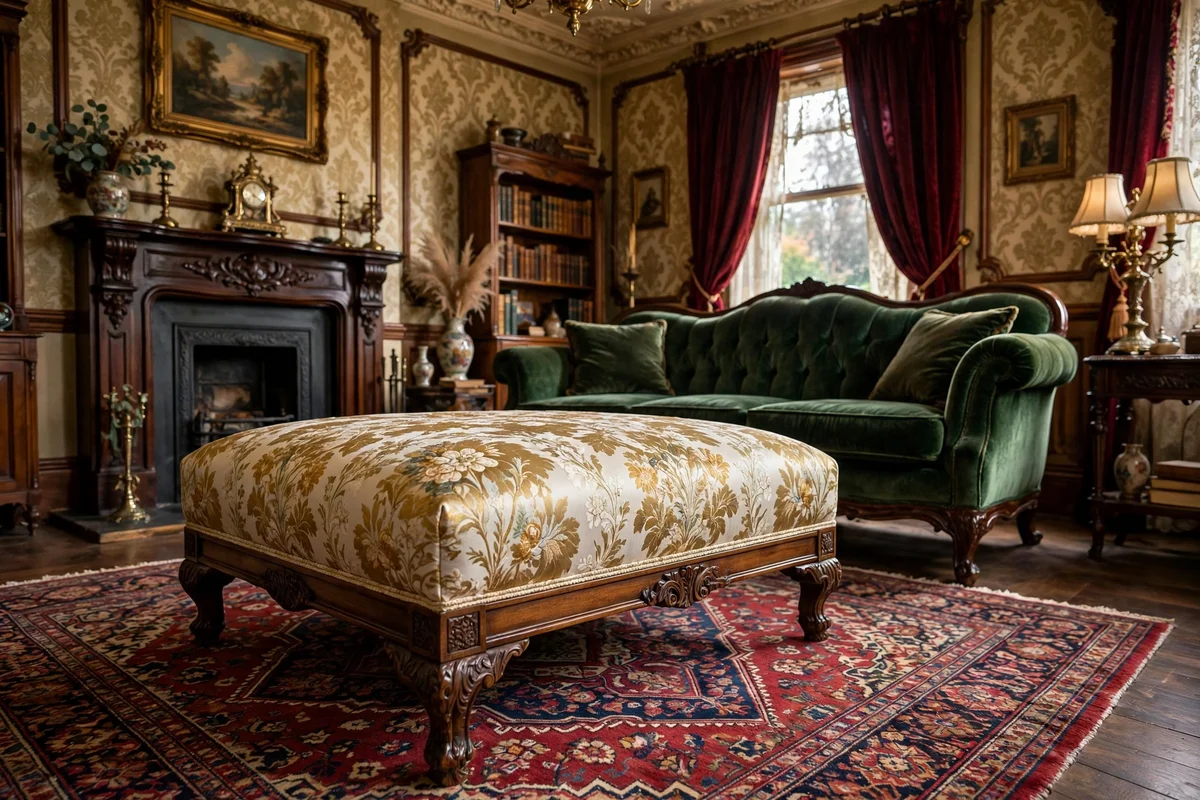
Brocade, with its raised woven pattern, was the Victorian luxury textile for upholstery and drapery. Reupholstering a single ottoman or bench in floral brocade ($25 to $60 per yard of fabric, $150 to $350 labor) injects authentic texture without committing the whole room. Gold-on-cream or silver-on-navy brocades read formal; tone-on-tone versions are subtler. A brocade ottoman doubles as extra seating and a footrest, earning its keep. Pro tip: center the brocade’s motif on the seat cushion so the pattern lands symmetrically; off-center motifs look like a mistake.
24. Trim Everything with Fringe and Tassels
Bullion fringe on curtains, tassel trim on pillows, and passementerie on lampshades are the jewelry of Victorian decorating. A yard of bullion fringe ($8 to $20) sewn onto plain curtain panels or a table runner transforms them instantly. Tassel tiebacks, beaded fringe on a lampshade ($20 to $50 to trim a shade yourself), and fringe on an ottoman skirt all add that unmistakable period finish. The rule: if it can be trimmed, trim it, but keep all trims in the same metallic or color family. Pro tip: hand-sew trim with a curved upholstery needle; it takes minutes and holds far better than fabric glue.
25. Add a Stained Glass Accent Panel
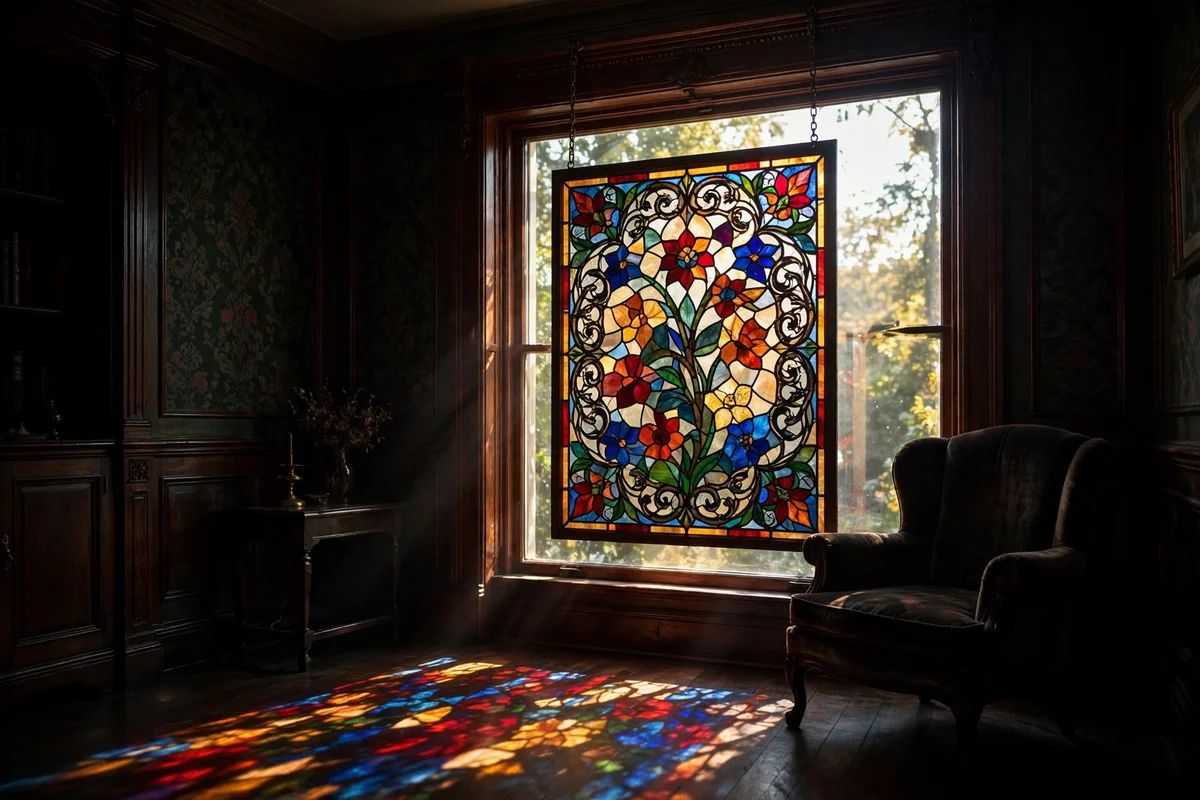
Stained and leaded glass lit Victorian entryways and transom windows with colored light. A hanging stained glass panel ($60 to $200) in a window, or a leaded-glass cabinet door insert ($80 to $150), brings that jewel-toned glow into the living room. Floral and geometric patterns in amber, ruby, and cobalt suit the era. Hang panels with chain from ceiling hooks so they catch daylight, or backlight a panel with an LED strip for evening drama. Pro tip: secure hanging panels with two chains in a V shape; single chains twist, and stained glass is too heavy to risk.
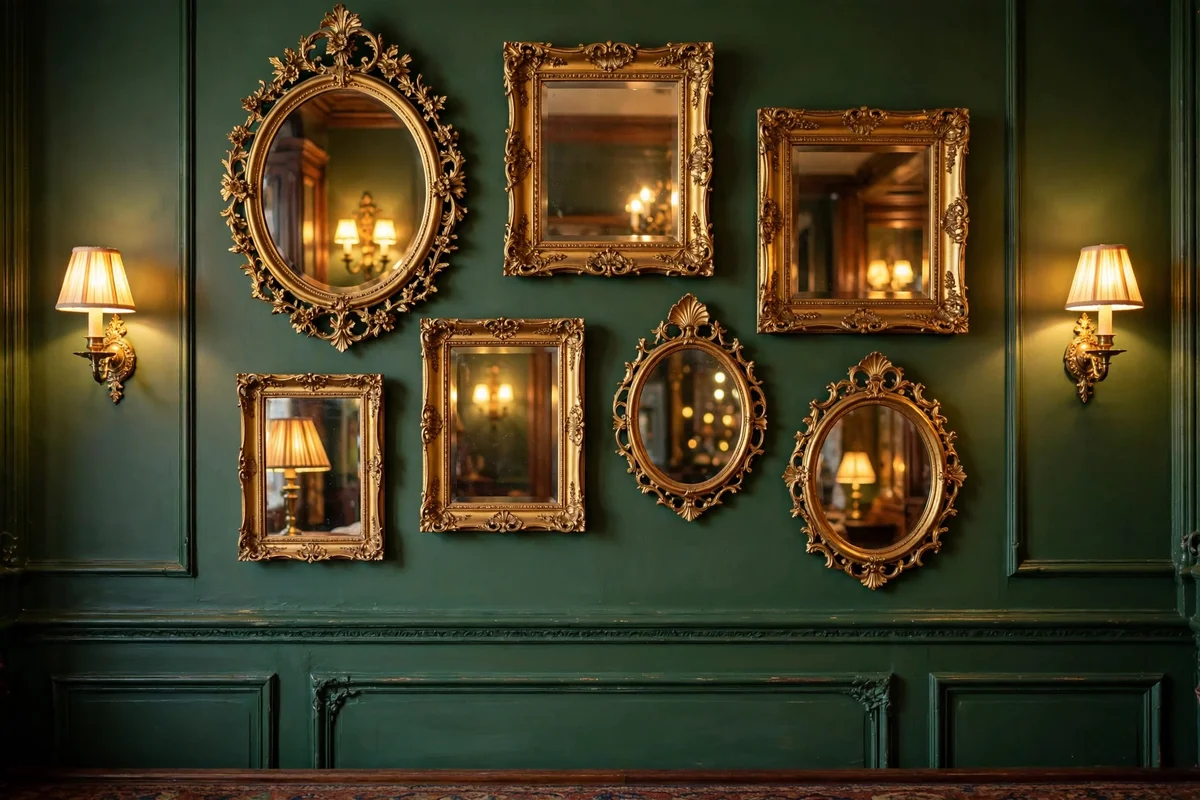
26. Hang Gilt-Framed Mirrors Generously
Victorians believed no room had enough mirrors: they doubled candlelight and made gaslit rooms feel twice as large. One large gilt mirror ($150 to $400) over the mantel plus two or three smaller gilt mirrors on adjacent walls recreates the effect. Mix oval, arched, and rectangular frames in varying gold tones; the Victorians collected, they did not match. Lean smaller mirrors on the mantel and etagere for layered reflections. Pro tip: angle mirrors slightly downward toward seating areas so they reflect people and lamplight, not the ceiling.
Lighting, Art and Finishing Grandeur
27. Hang a Crystal Chandelier
The crystal chandelier is the crown of a Victorian living room. A 6 to 8 arm chandelier with crystal drops ($200 to $600) sized about one inch of diameter per foot of room width anchors the space. Hang it 30 to 34 inches above a coffee table or 7 feet above the floor in open areas. Warm-white LED candle bulbs ($3 to $6 each) give the historic glow without the heat of incandescents. If wiring is an issue, a plug-in swag chandelier on a ceiling hook delivers the look with zero electrician. Pro tip: clean crystals twice a year with a vinegar-water mist; dusty crystals scatter half the light.
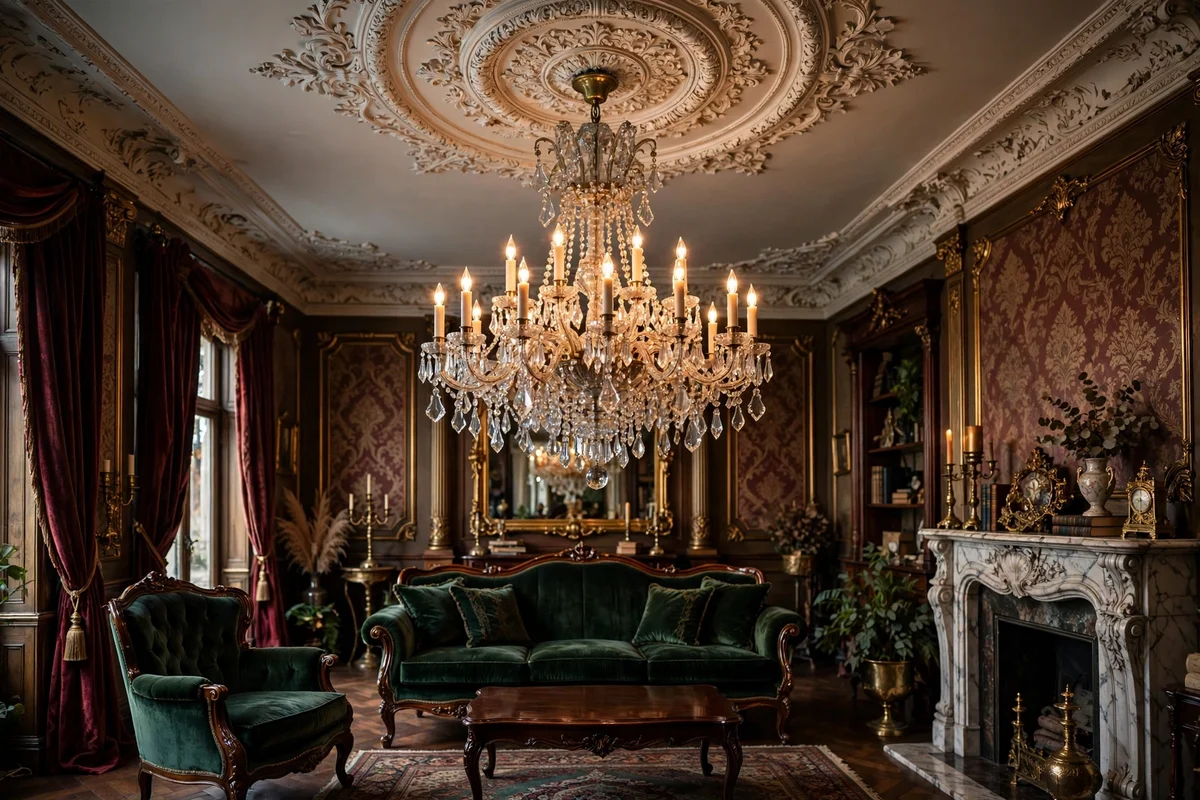
28. Flank with Candle-Style Wall Sconces
Victorian rooms glowed from many small light sources, not one big one. Pairs of candle-style wall sconces ($40 to $100 each) flanking the mantel, mirrors, or artwork create that layered historic light. Hardwired is ideal, but plug-in sconces with cord covers work beautifully and need no electrician. Use them on dimmers so the room can shift from reading-bright to candlelit-mellow in seconds. Pro tip: mount sconces at 60 to 66 inches to center, roughly eye level, so the shades glow without glaring.
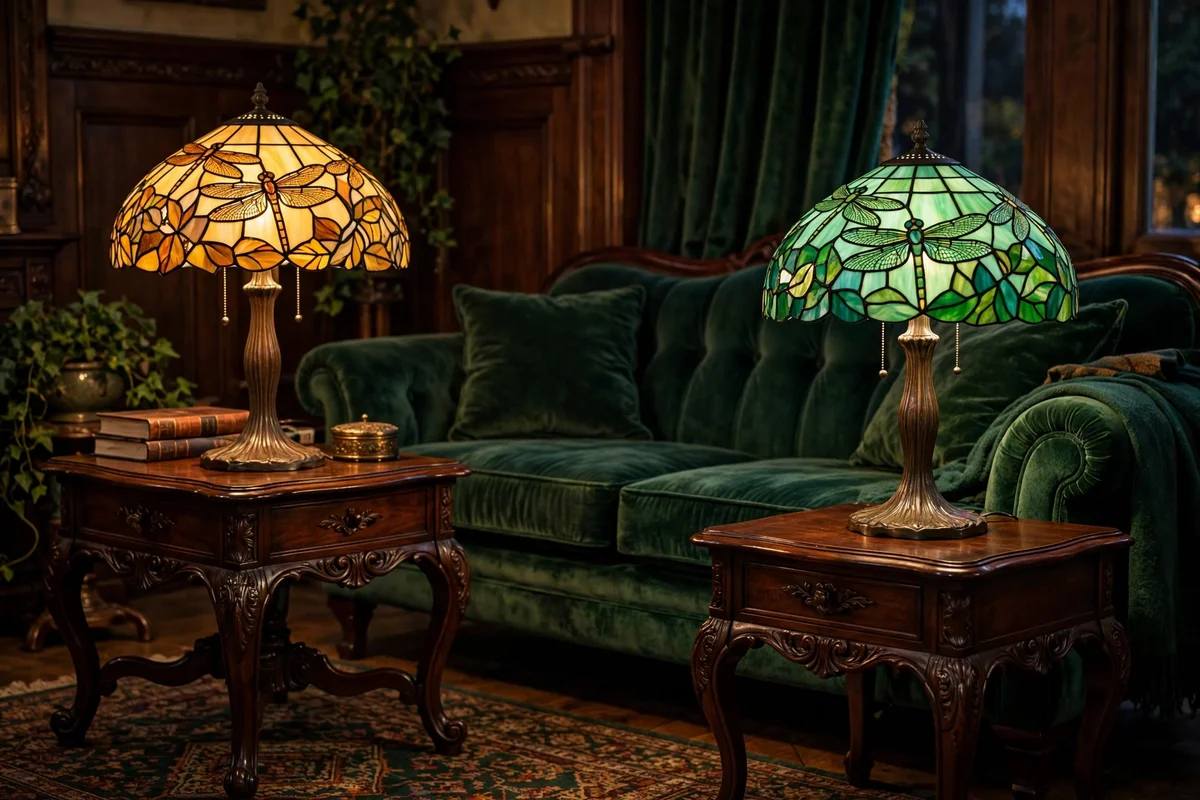
29. Light Side Tables with Tiffany-Style Lamps
Tiffany-style stained glass table lamps ($80 to $250) arrived at the tail of the Victorian era and feel perfectly at home in the style. Their jewel-toned shades throw warm patterned light across side tables and desks. One on each end table creates symmetry, or use a single statement lamp on the secretary desk. Choose dragonfly, wisteria, or geometric patterns in amber and green for period authenticity. Pro tip: pair Tiffany lamps with simple brass or dark wood bases on the other tables; two ornate lamps plus plain ones keeps the room balanced.
30. Build an Oil Painting Gallery Wall
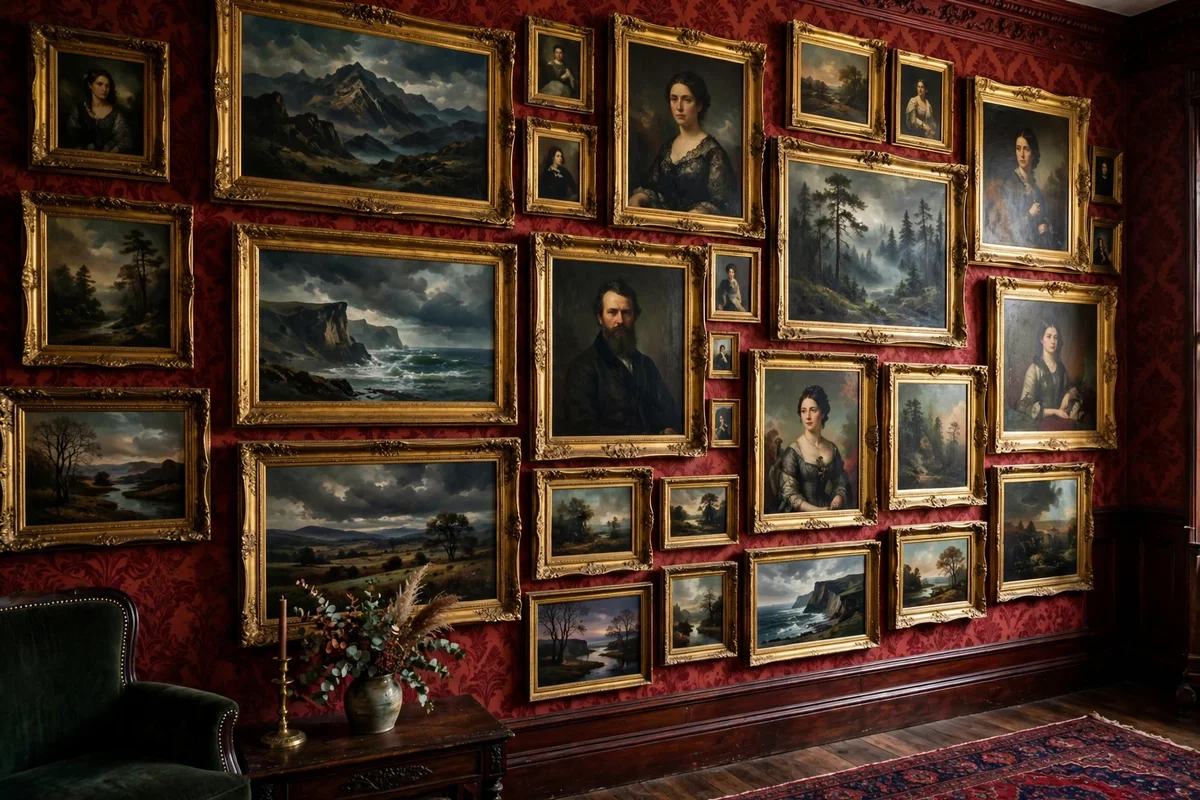
Victorian walls were salon-hung: paintings stacked floor to near-ceiling in gilt frames. Recreate it with thrifted oil-style prints and landscapes in ornate gold frames ($10 to $40 per frame at thrift stores). Mix portraits, florals, and moody landscapes in varying sizes, hanging them close together with just 2 to 3 inches between frames. The gilt frames unify everything even when the art is eclectic. Pro tip: lay the arrangement on the floor first and photograph it; adjusting on the floor is far easier than patching extra nail holes.
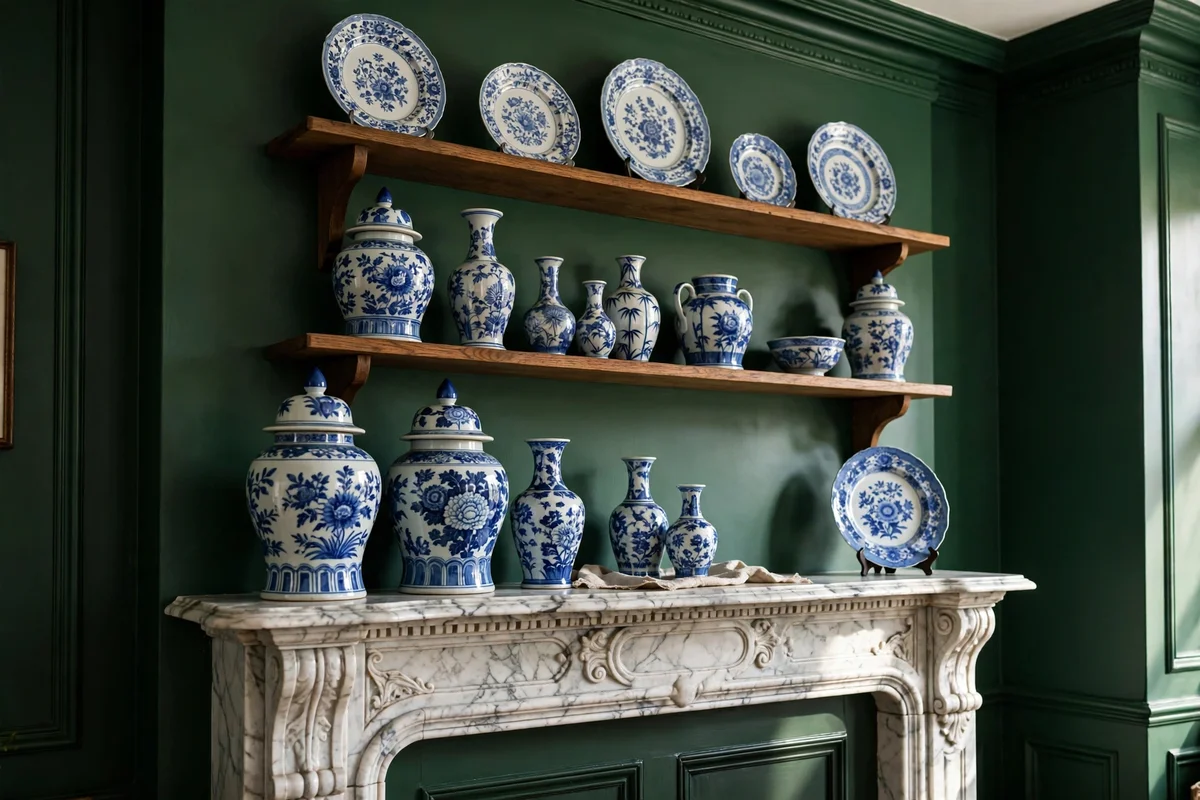
31. Display Porcelain and Blue Willow Collections
Blue and white porcelain was the Victorian collector’s trophy, displayed on mantels, etageres, and plate rails. Start a collection with thrifted ginger jars, vases, and plates ($5 to $25 each); group them in odd numbers for maximum impact. A plate wall above a sideboard or a row of ginger jars on the mantel reads instantly period. Mix patterns freely, blue willow with floral transferware, since the color unifies them. Pro tip: use museum putty under every piece; porcelain collections and wobbly shelves are a heartbreak waiting to happen.
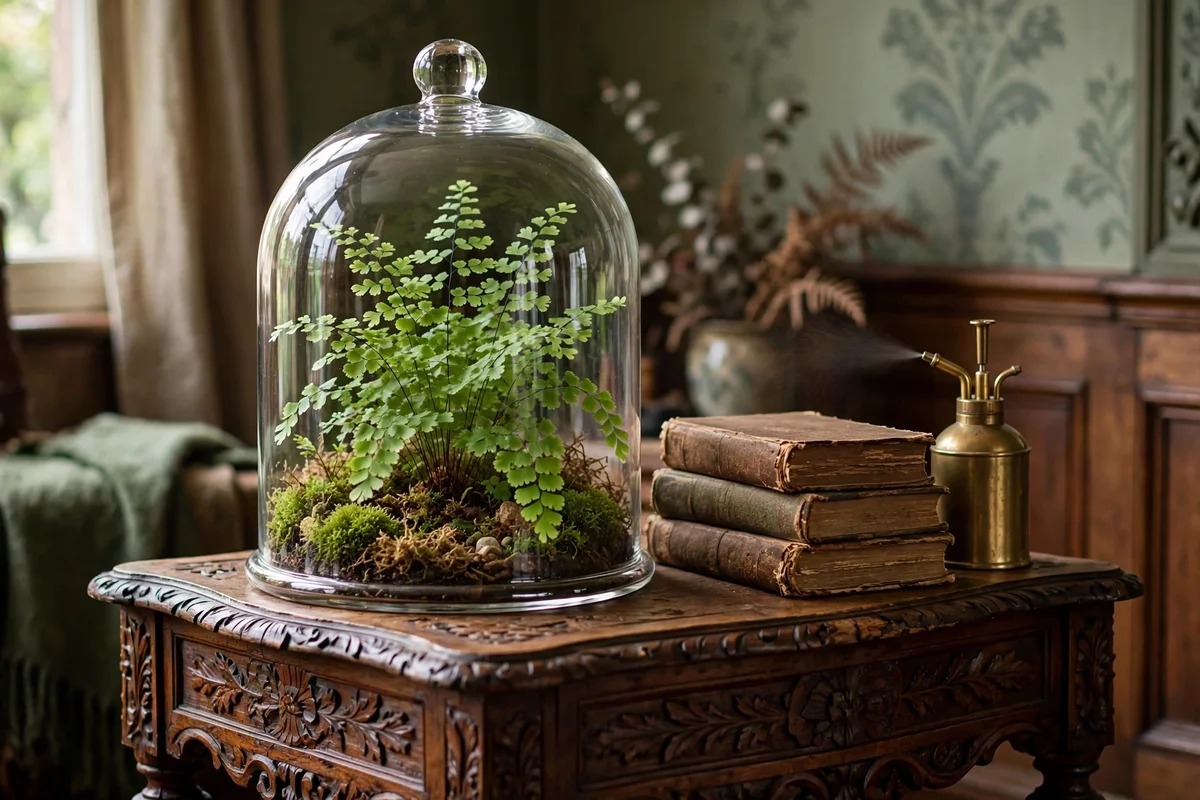
32. Grow a Victorian Fern Terrarium
Ferns under glass were the Victorian houseplant obsession; the Wardian case let delicate plants thrive in coal-heated homes. A large glass terrarium or cloche ($40 to $120) with maidenhair ferns, moss, and a small orchid brings that botanical history to a side table or the mantel. The glass catches light beautifully and keeps humidity-loving plants happy. Style it on a stack of old books with a brass mister beside it for the full collector’s vignette. Pro tip: open the terrarium lid for an hour weekly; trapped moisture without airflow invites mold on the moss.
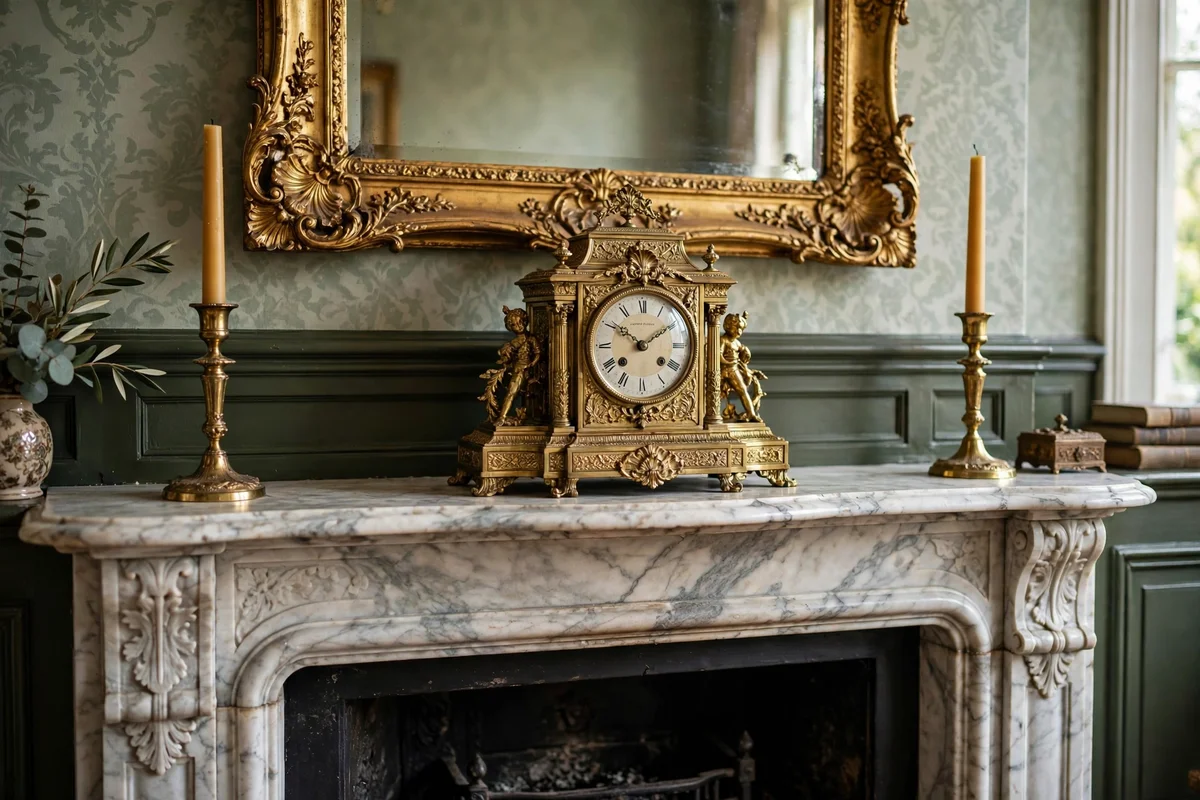
33. Crown the Mantel with an Ornate Clock
A mantel clock was the Victorian status symbol, and an ornate French-style or tambour clock ($80 to $250) still crowns a mantel beautifully. Choose brass and marble-look finishes with Roman numerals for period correctness. Flank it with candlesticks or small urns in matching metal so the mantel reads as one composed arrangement. Even a non-working clock works as sculpture, though a softly ticking movement adds irreplaceable atmosphere. Pro tip: center the clock on the mantel and build outward symmetrically; Victorian mantels were almost always balanced compositions.
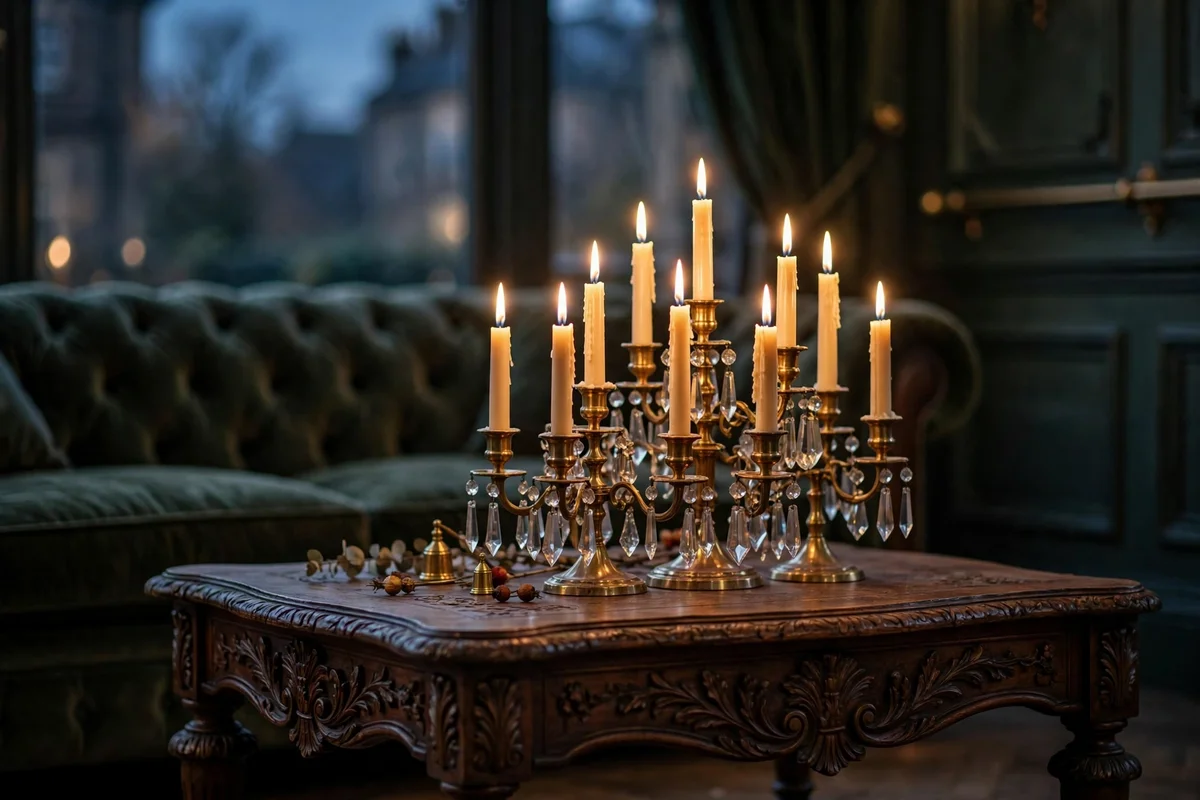
34. Cluster Candelabra for Evening Glow
Finish with candlelight: clusters of brass and crystal candelabra ($25 to $70 each) on the mantel, dining-adjacent console, and coffee table give the room its evening soul. Mix heights, three-arm with five-arm, and use LED taper candles ($2 to $4 each) with warm flicker settings for daily use without fire risk. Group in threes and let the brass catch the chandelier light. Nothing transforms a Victorian room faster at dusk than real-looking candle glow. Pro tip: put the whole cluster on one remote-controlled set of LED tapers so the entire room lights with a single click.
Design Notes: Mixing Victorian with Other Styles
Victorian style plays beautifully with neighbors. Pair it with traditional bedroom ideas for a whole-home classic look that carries the same damask, brass, and wood tones from living room to bedroom. If you love the era’s glamour but want more sparkle, borrow from art deco living room ideas, whose mirrored surfaces and geometric luxury sit surprisingly well beside Victorian velvet. For a darker, moodier take on the 19th century, dark academia living room ideas share Victorian’s love of leather, books, and candlelight. Prefer the softer side of vintage? shabby chic bedroom ideas show how to lighten Victorian romance with whites and pastels. And if your farmhouse heart leans rustic, cottage bedroom ideas blend Victorian coziness with country charm.
Frequently Asked Questions
What defines a Victorian living room?
Ornate architecture (molding, medallions, fireplaces), rich jewel-tone colors, tufted velvet upholstery, carved dark wood, Persian rugs, crystal or candle lighting, gilt frames, and layered collections of porcelain, books, and art. The guiding principle is abundance: pattern on pattern, texture on texture, always curated.
How can I get the Victorian look on a budget?
Start with paint (one burgundy or green wall), thrifted gilt frames, a Persian-style rug, and brass candlesticks. Velvet pillow covers, peel-and-stick damask wallpaper, and a polyurethane ceiling medallion deliver huge period impact for under $200 total. Hunt estate sales for carved wood furniture at a fraction of retail.
Does Victorian style work in a small living room?
Yes, with editing. Choose the highest-impact pieces: one tufted chair instead of a full set, a single gilt mirror, layered rugs, and rich curtains. Keep the palette deep but the furniture count low, and use mirrors generously to multiply light and space.
What colors are most authentic for Victorian rooms?
Oxblood burgundy, hunter and bottle green, midnight navy, deep plum, chocolate brown, and mustard gold, balanced with cream, ivory, and warm wood tones. Metallics were brass and aged gold rather than chrome or nickel.
Can I mix Victorian with modern furniture?
Absolutely. A clean-lined modern sofa in velvet beside a carved antique side table, or Victorian art in gilt frames over a minimalist console, creates a collected look that feels current. Keep one unifying element, like color palette or brass accents, to tie the mix together.
How do I keep a Victorian room from feeling cluttered?
Give every collection a boundary: one etagere, one gallery wall, one styled mantel. Leave some surfaces deliberately clear so the ornate pieces can breathe. Victorian rooms were full, but each object had a place; edit ruthlessly and display in odd-numbered groups.
Final Thoughts
Victorian style is permission to love beautiful things out loud: the tufted velvet, the gilded frames, the candlelight bouncing off crystal. Start with one anchor piece, a Chesterfield, a chandelier, or a burgundy wall, and let the room grow around it the way Victorian parlors did, one collected treasure at a time. With these 34 ideas, you have a complete roadmap from architecture to finishing glow. Pick your favorites, set your budget, and enjoy building a living room with real 19th-century soul.