
38 Studio Apartment Plant Ideas for Lush Green Living
38 Studio Apartment Plant Ideas for Lush Green Living
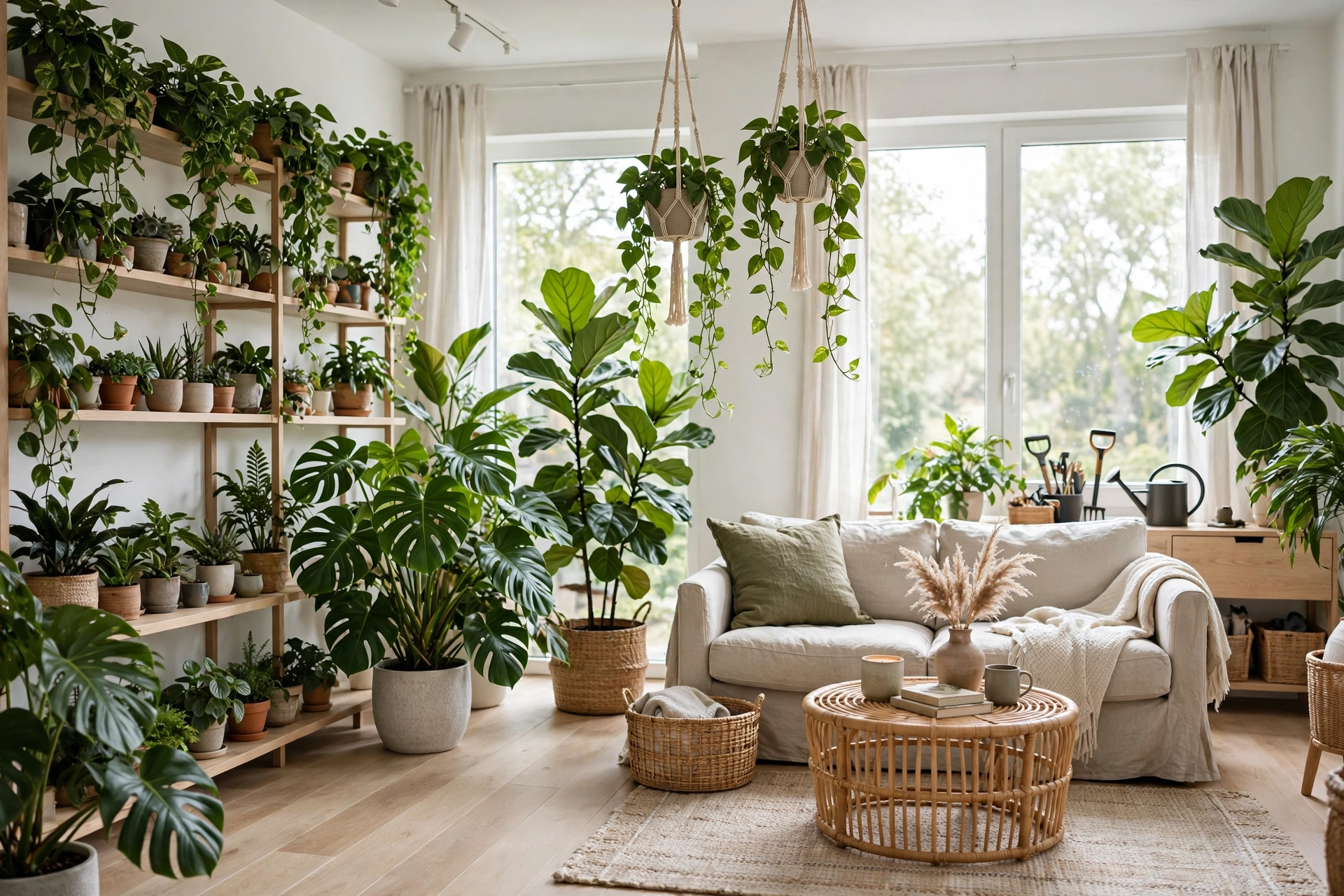
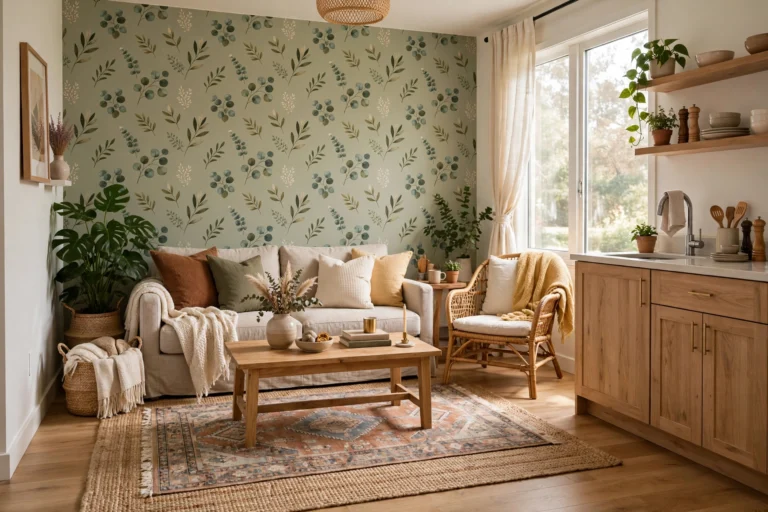
Nothing transforms a studio apartment faster than living greenery. A single monstera can turn a blank corner into a jungle vignette, a row of trailing pothos softens harsh shelves, and a windowsill herb garden makes even a galley kitchen feel alive. Plants do triple duty in small spaces: they decorate, they divide, and they genuinely improve how a room feels — studies on biophilic design link indoor plants to lower stress and better focus, which matters when your living room is also your office. The trick is choosing the right plants for your light, your schedule, and your square footage. These 38 studio apartment plant ideas cover statement floor plants, trailing and hanging greenery, nearly unkillable low-light picks, kitchen and bathroom plant styling, display tricks that save floor space, and care systems that keep everything alive — even if you’ve killed every plant you’ve ever owned.
Big Statement Plants That Anchor the Room
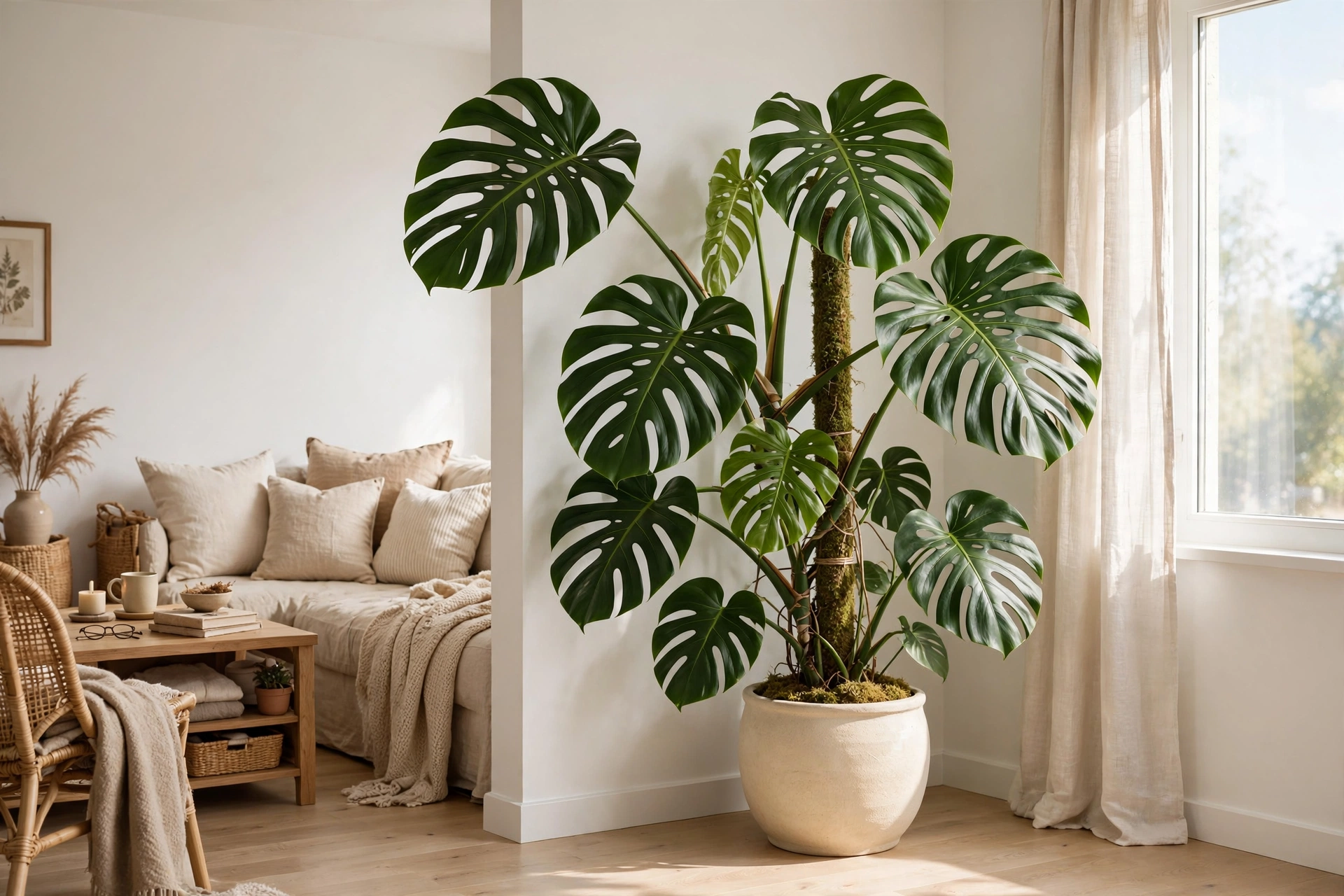
1. Make a Monstera Deliciosa Your Living Sculpture
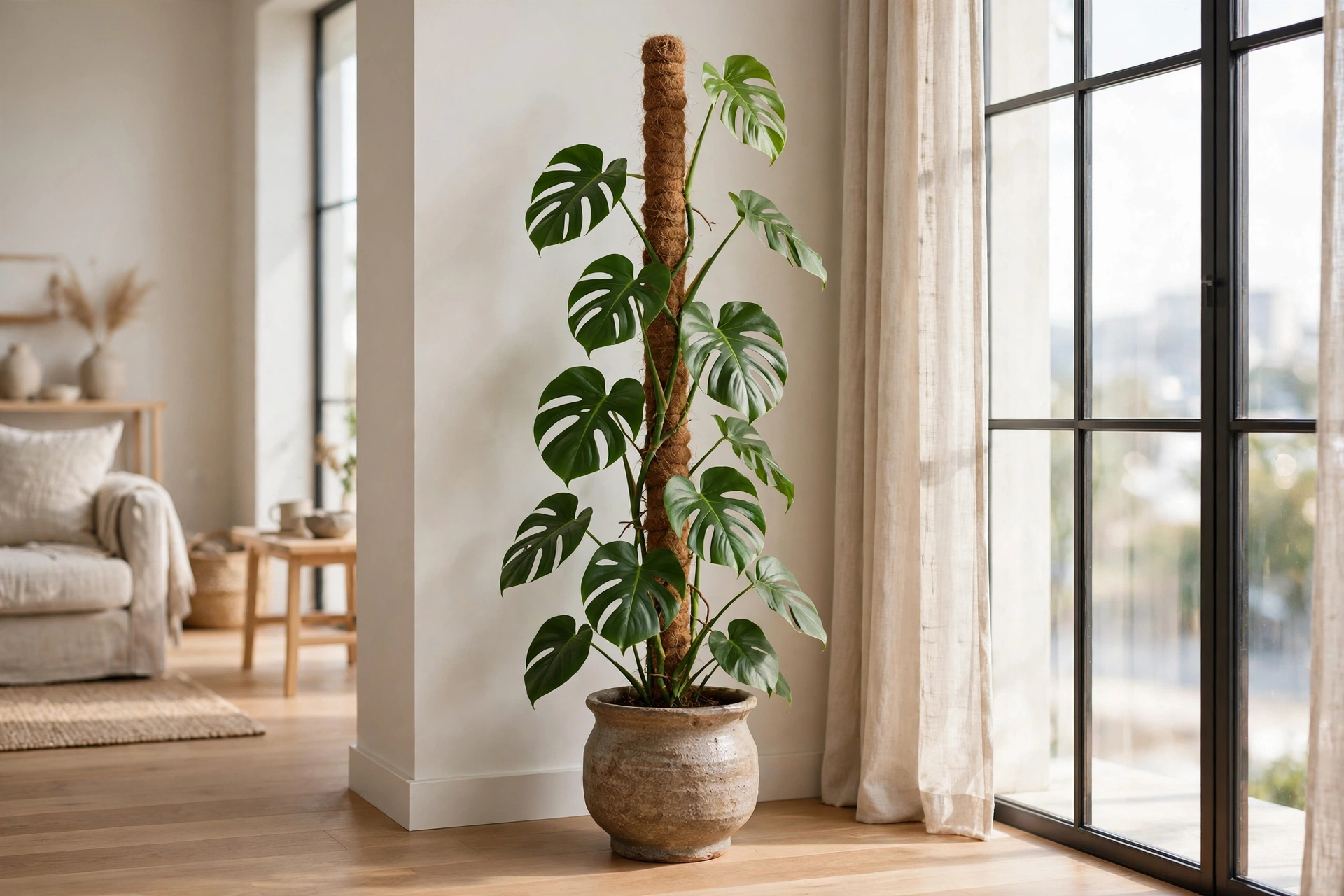
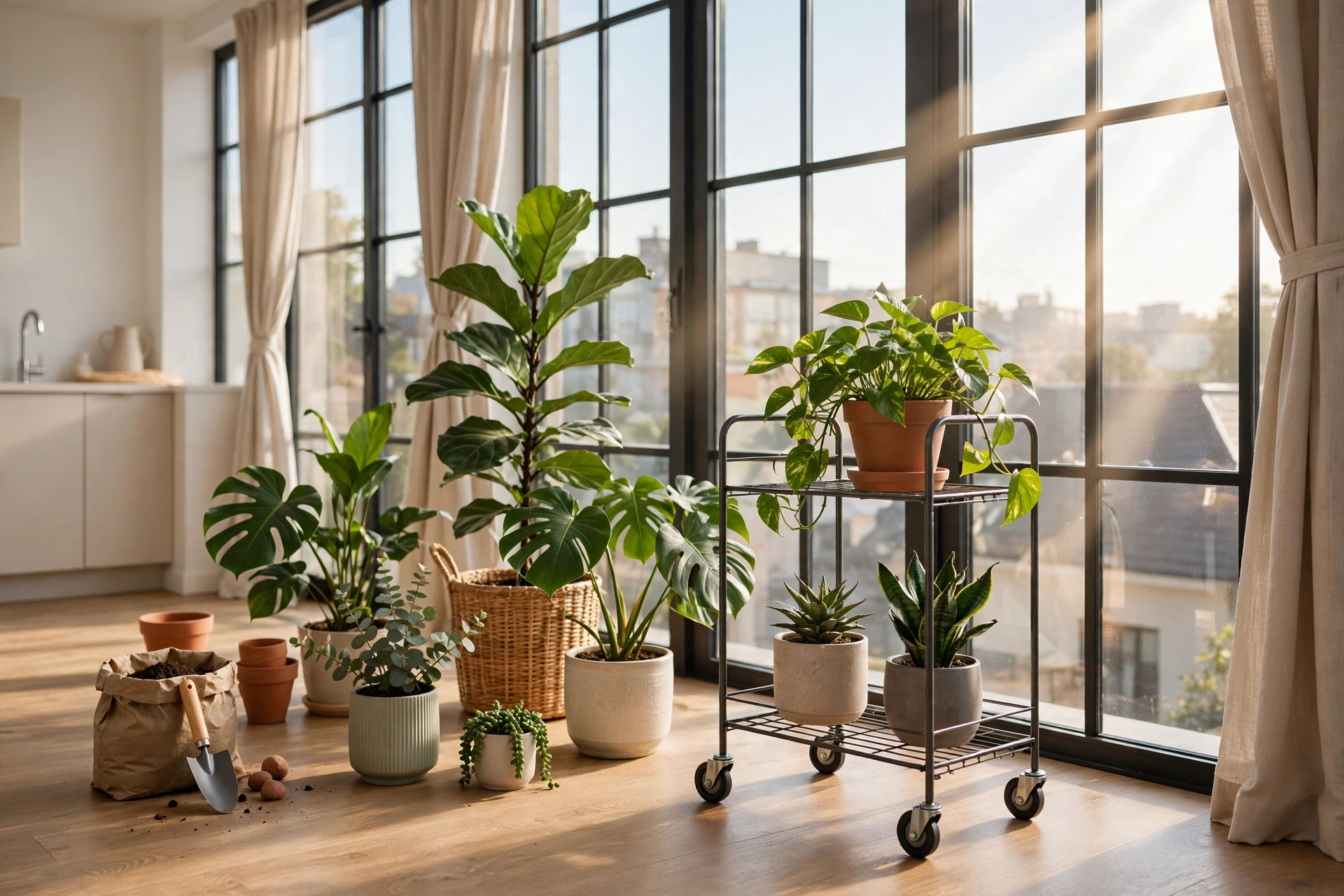
The monstera deliciosa is the undisputed star of small-space greenery — those split leaves read as living art from across the room. A healthy 2–3 foot plant costs $25–$60 at nurseries and grows fast in bright, indirect light. Give it a moss pole ($12–$20) to climb and it grows upward instead of sprawling outward, which is exactly what a studio needs. Wipe the leaves monthly with a damp cloth so they photosynthesize at full power. Pro tip: rotate the pot a quarter turn every two weeks — monsteras lean hard toward light, and rotation keeps the growth symmetrical instead of lopsided.
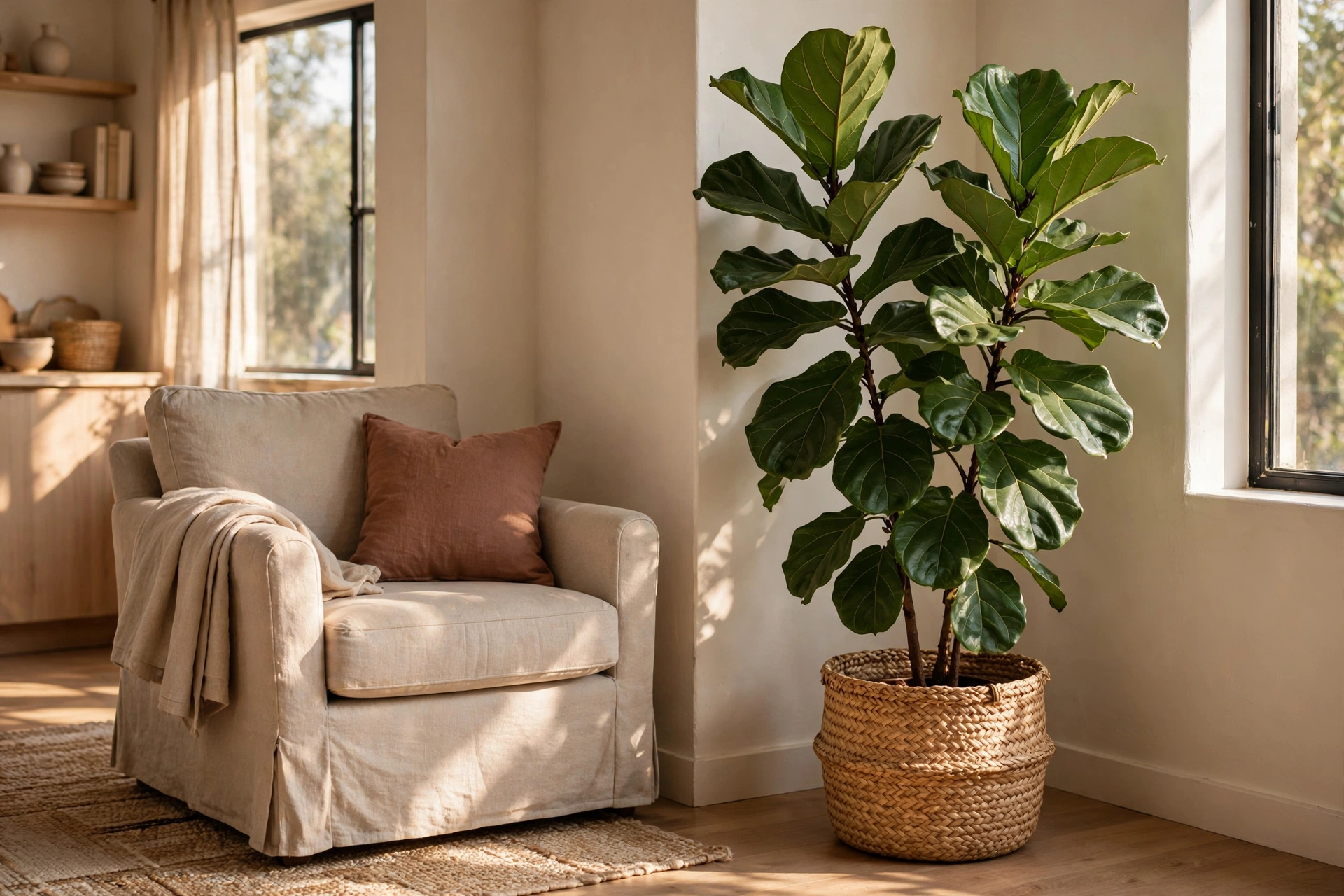
2. Tuck a Fiddle Leaf Fig in Your Brightest Corner
Few plants photograph like a fiddle leaf fig — its broad, violin-shaped leaves bring instant designer credibility to a studio. A 3–4 foot tree runs $40–$90. Fiddles are famously fussy about change, so pick its forever spot immediately: the brightest corner you have, away from heating vents and drafty doors. Water only when the top two inches of soil are dry, and never let it sit in water. Pro tip: fiddle leaf figs drop leaves when stressed by moves — buy locally instead of shipping one, and don’t repot for the first month while it acclimates.
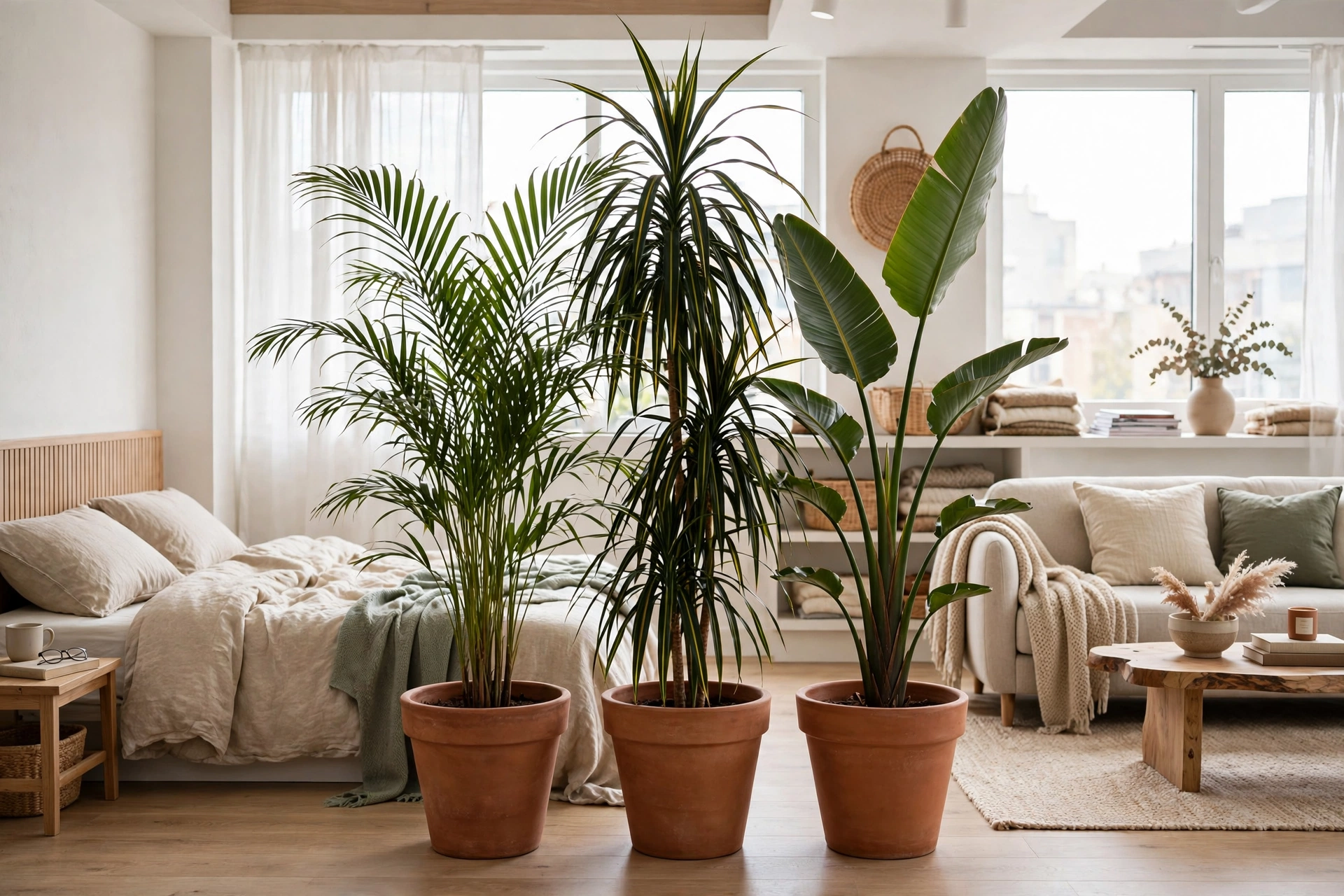
3. Use a Large Floor Plant as a Living Room Divider
In a studio, a big plant does the job of a partition wall without blocking a single ray of light. Cluster two or three tall plants — a palm, a dracaena, a bird of paradise — in large matching pots ($30–$60 each) along the invisible line between your sleeping and living zones. The greenery reads as a boundary while keeping sightlines open and air flowing, following the same zoning principles in our studio apartment layout ideas. Pro tip: put the tallest plant in the middle and step heights down on either side — the graduated silhouette looks intentional rather than like plants you couldn’t find homes for.
4. Grow an Olive Tree for Mediterranean Calm
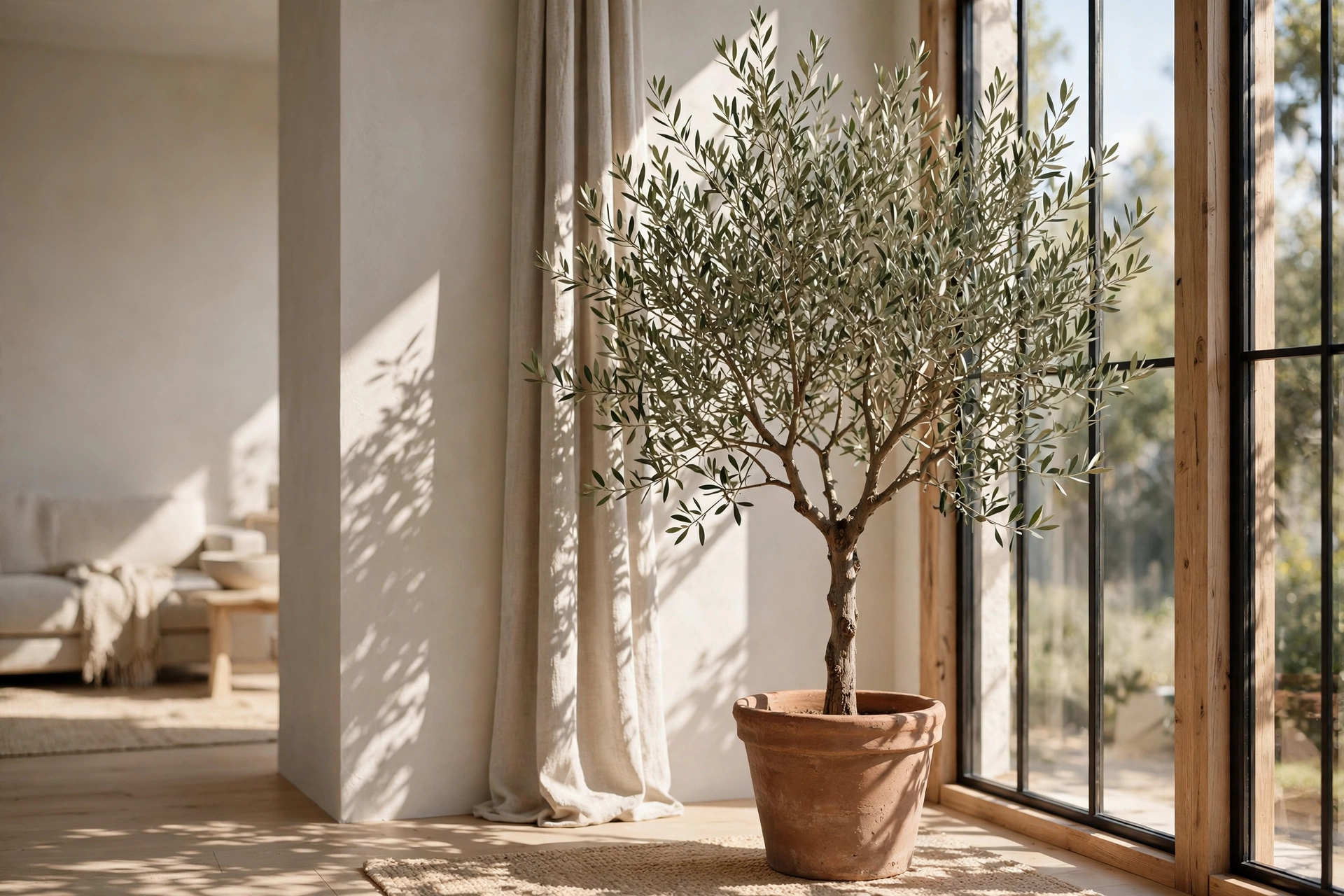
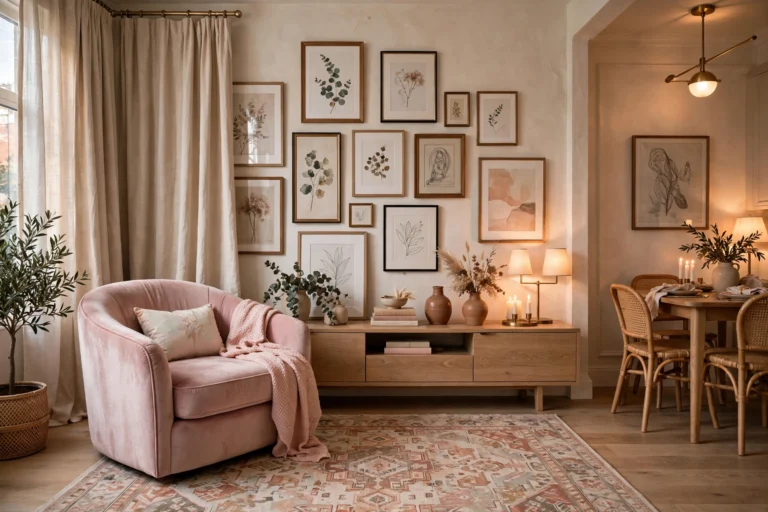
Olive trees bring a quiet, silvery elegance that suits calm, neutral studios perfectly. A 3-foot indoor olive runs $35–$70 and thrives in the sunniest window you own — it wants at least six hours of direct light, so south-facing is ideal. The narrow leaves cast beautiful dappled shadows in afternoon sun. Let the soil dry between waterings; olives hate wet feet more than anything. Pro tip: if your studio lacks a sunny window, skip the olive and choose a cast iron plant instead — forcing a sun-lover into shade is the fastest route to a crispy, leafless disappointment.
5. Add Gloss With a Rubber Plant
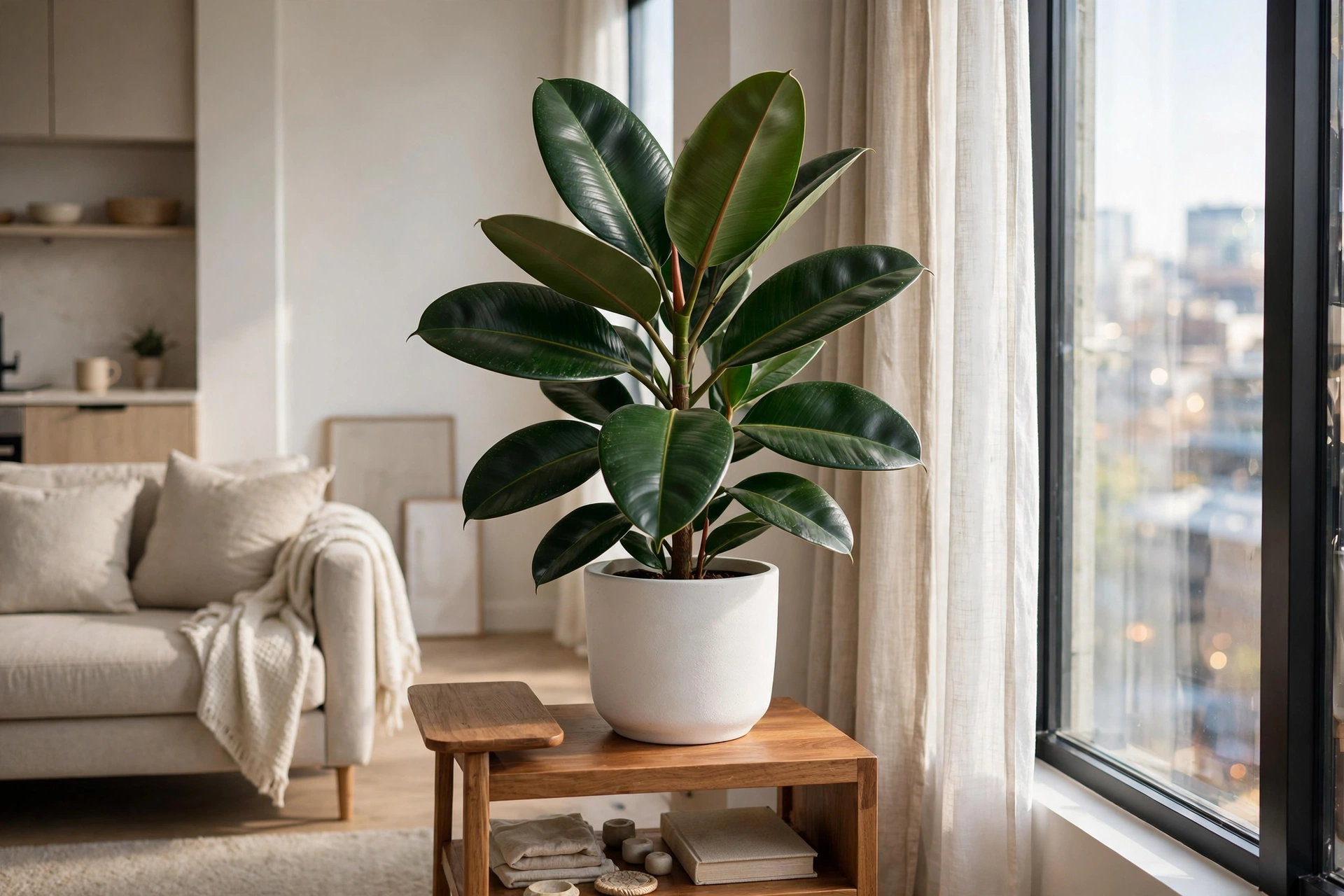
The rubber plant (ficus elastica) offers big, glossy, deep-green leaves that look expensive and sculptural with almost zero drama. A 2-foot plant costs $20–$45 and tolerates medium light plus the occasional forgotten watering. The burgundy variety adds moody color; the variegated tineke brightens dark corners. It grows upright on a single stem, so its footprint stays tiny while its presence stays large. Pro tip: pinch the top growth in spring to force branching — one snip turns a lanky single stem into a full, tree-like canopy within a season.
6. Go Bold With a Bird of Paradise
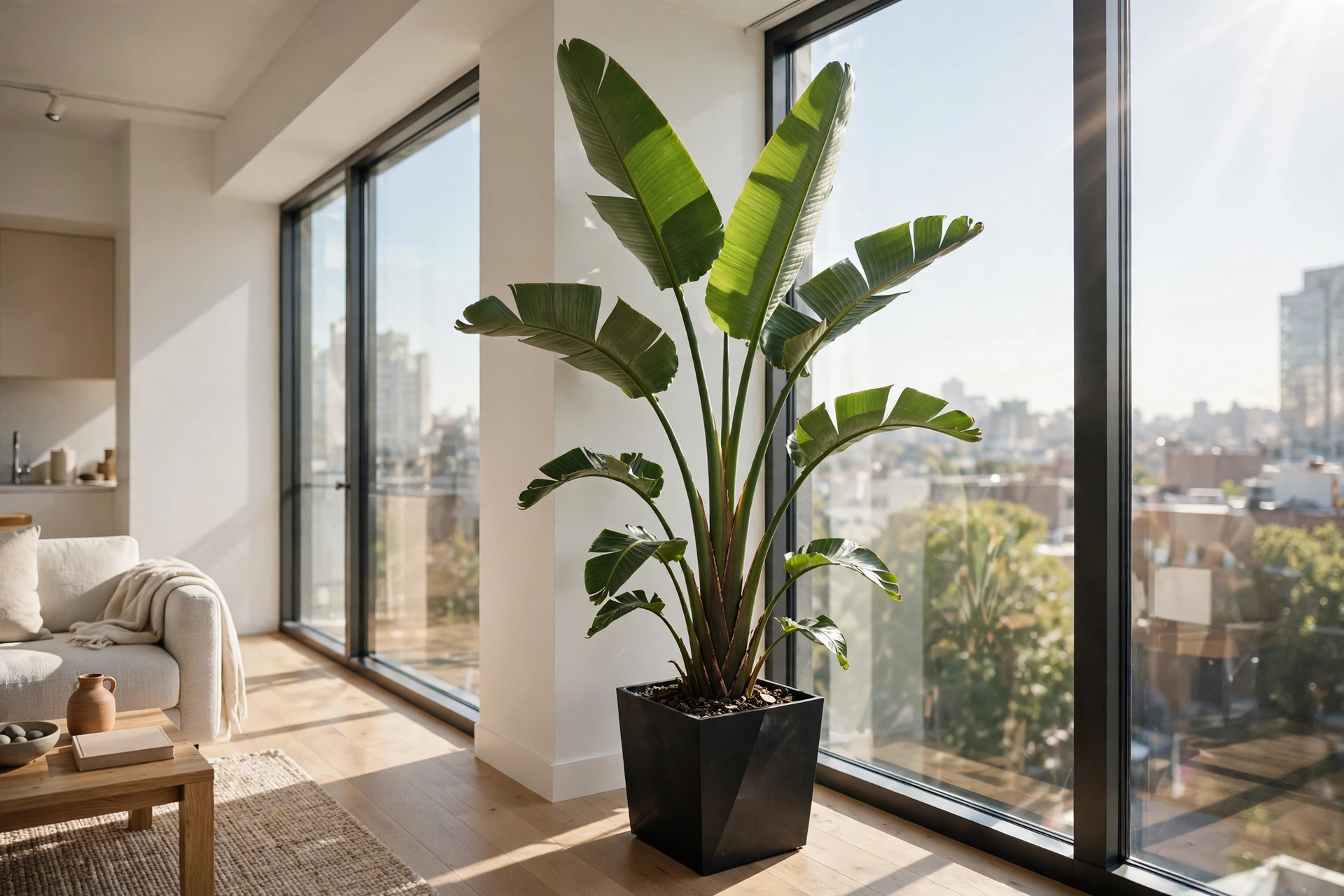
Bird of paradise delivers the most tropical drama per square foot of any indoor plant — huge banana-like leaves on tall stems that instantly vacation-ify a studio. A 3–4 foot plant runs $40–$80 and wants your brightest spot with a few hours of direct sun. It grows fast, so budget floor space for its spread and wipe the big leaves regularly since they collect dust visibly. Pro tip: bird of paradise leaves split naturally in the wild from wind — indoors, splits usually mean low humidity, so run a small humidifier nearby or group it with other plants to raise local moisture.
7. Lift the Eye With a Dracaena
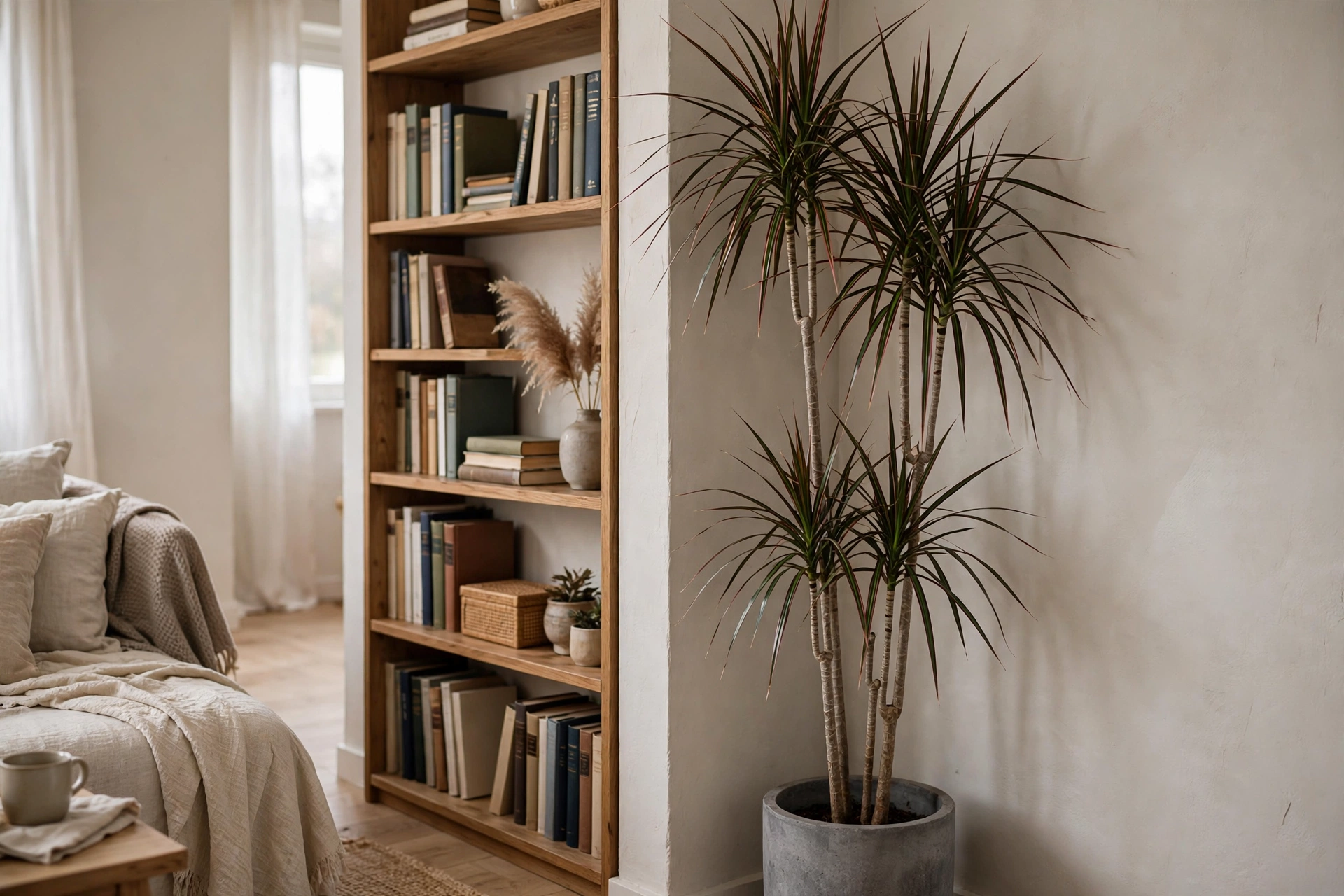
Dracaenas — marginata, janet craig, song of india — are the skyscrapers of beginner plants: narrow, upright, and happy in spots where nothing else thrives. A 3-foot cane cluster costs $25–$50 and tolerates low to medium light plus irregular watering. Their striped or solid foliage adds vertical lines that make low studio ceilings feel taller. They’re also among the most forgiving plants when you underwater. Pro tip: dracaenas are sensitive to fluoride in tap water, which browns their leaf tips — if your tips crisp, switch to filtered or rainwater and the new growth comes in clean.
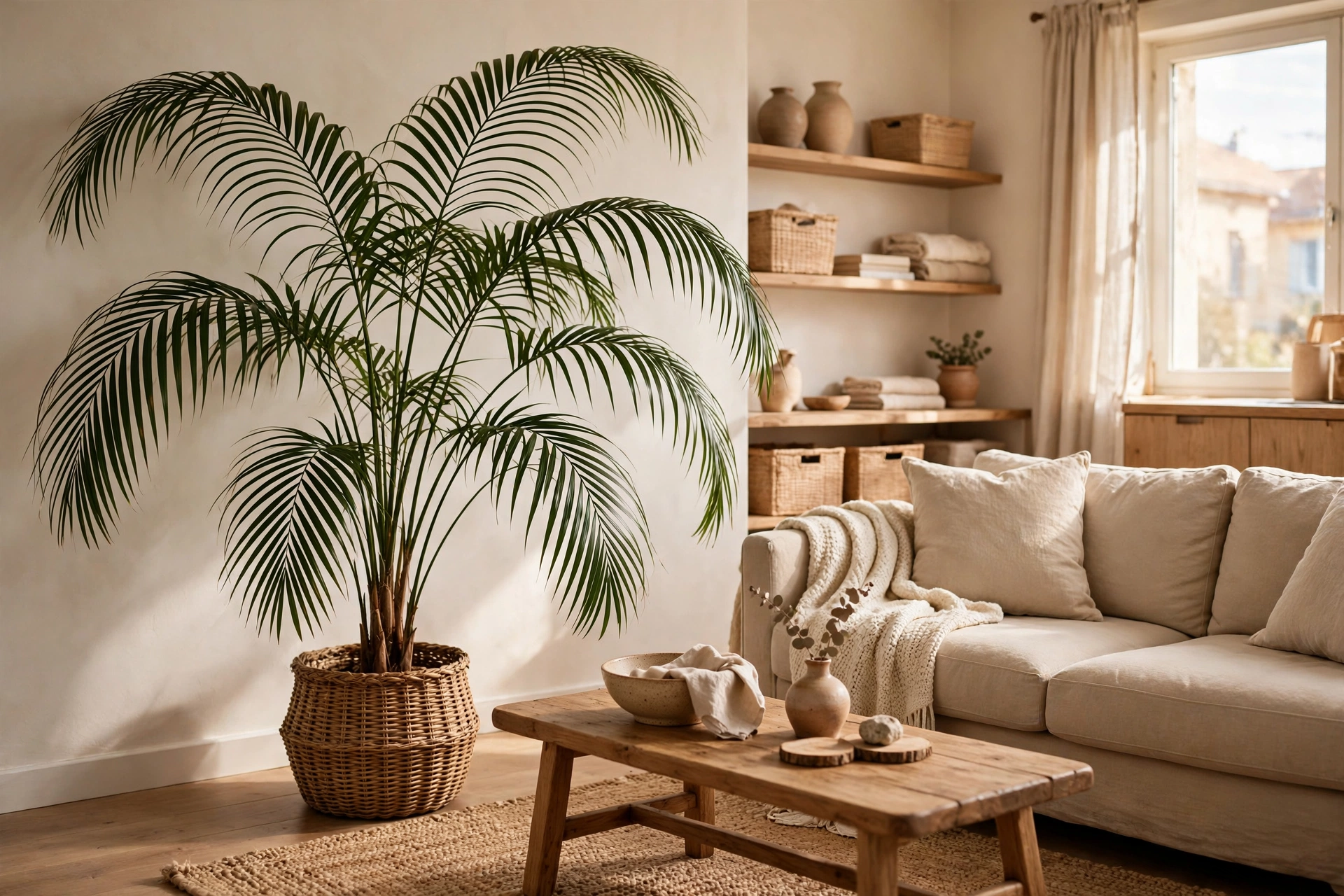
8. Soften Everything With a Kentia Palm
The kentia palm is the interior designer’s palm of choice — graceful arching fronds, deep green color, and a tolerance for lower light that most palms lack. A 3–4 foot kentia runs $50–$100, pricier than average but nearly indestructible once settled. It grows slowly, so the size you buy is roughly the size you keep for years — ideal for planning a small space. Keep it away from dry heating vents in winter. Pro tip: kentias hate being repotted — buy it already in a decorative pot (or a size you’ll keep for years) and just top-dress fresh soil annually instead of disturbing the roots.
Trailing & Hanging Greenery That Uses Zero Floor Space
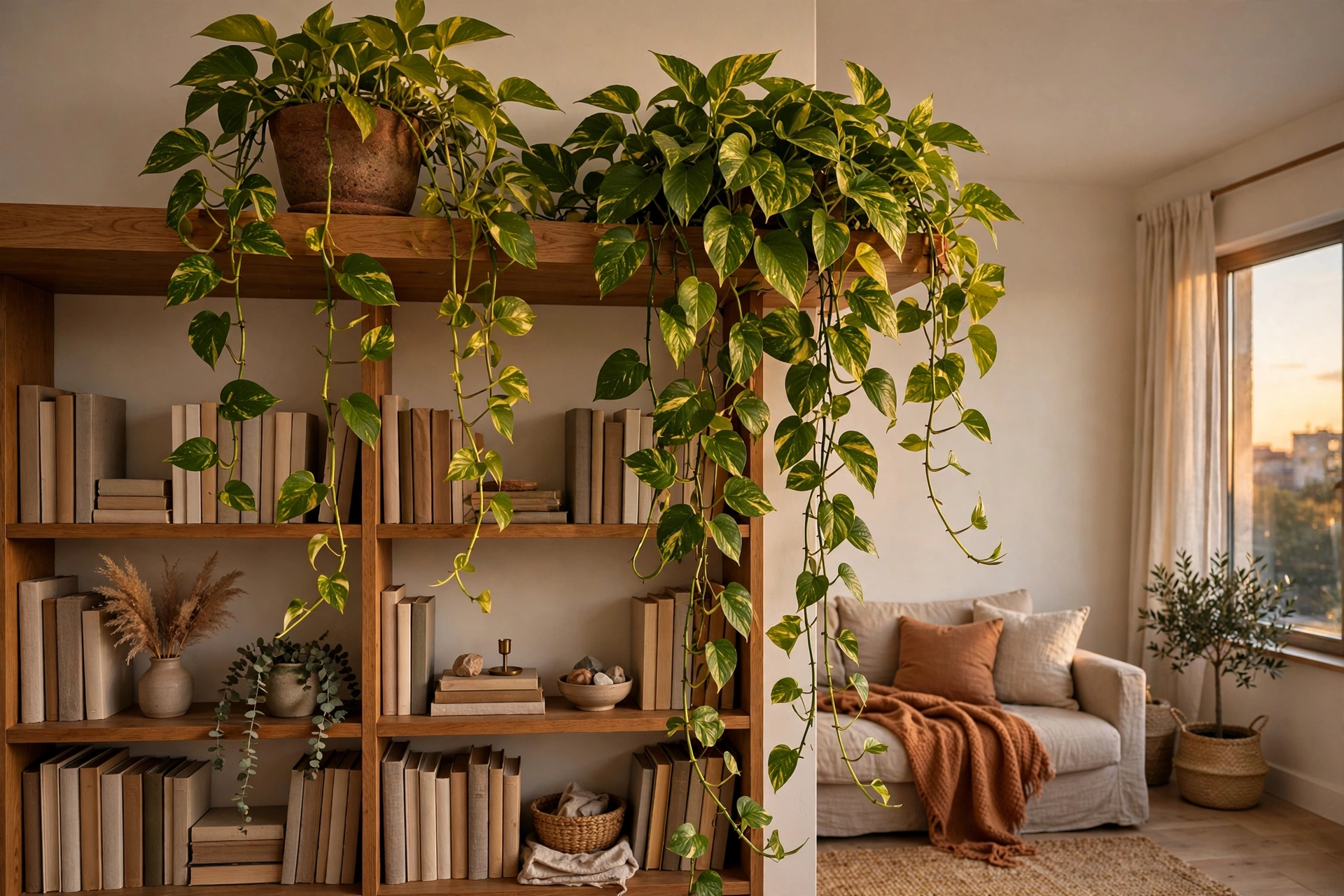
9. Drape Trailing Pothos From High Shelves
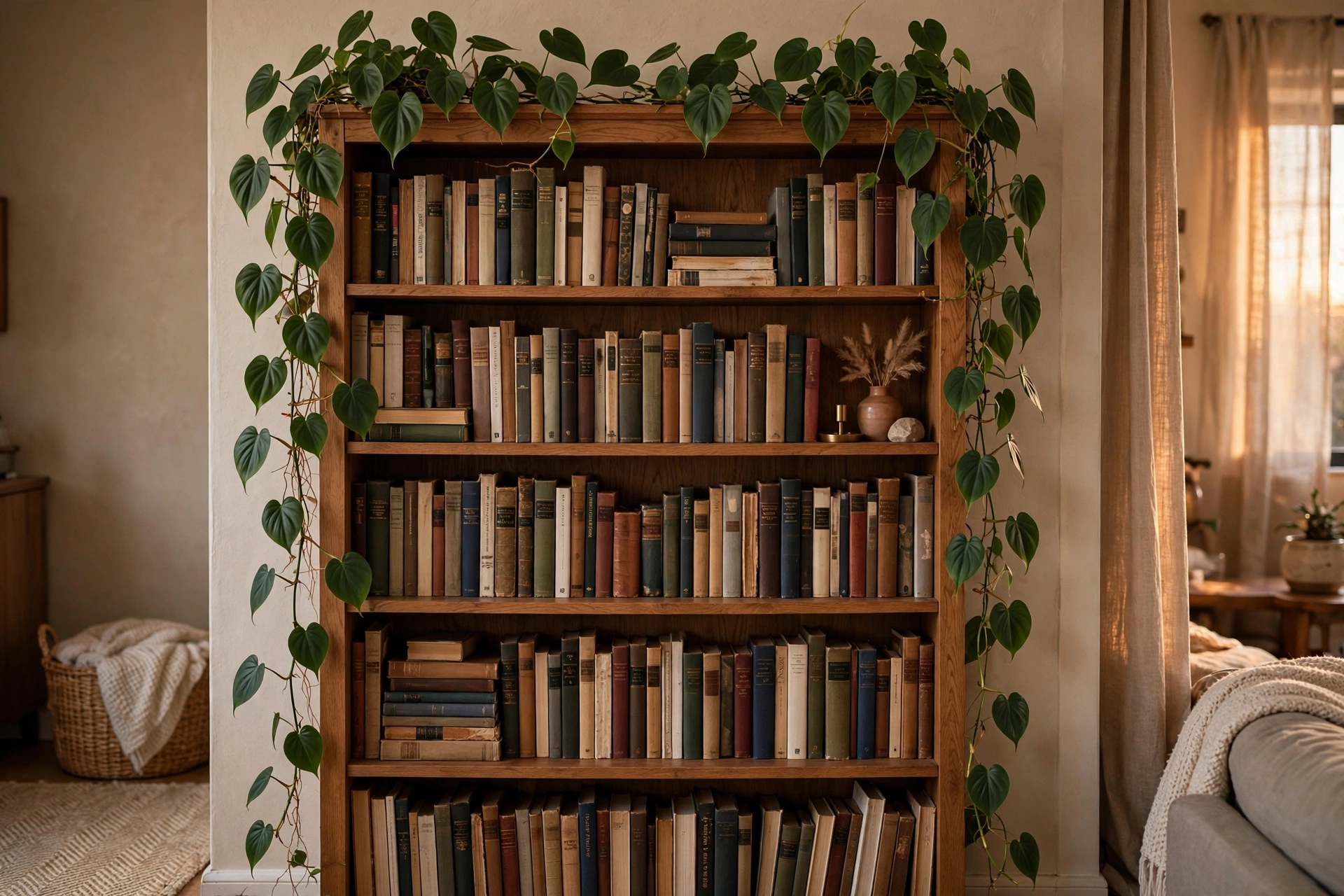
Pothos is the gateway plant for a reason: $8–$15 for a full hanging basket, grows in almost any light, and trails up to ten feet of heart-shaped leaves that soften every hard edge in a studio. Set one on top of a bookshelf or wardrobe and let the vines cascade — it turns dead vertical space into a green waterfall. Golden, marble queen, and neon varieties add color variation without extra cost. Pro tip: trim the longest vines back to a leaf node and root the cuttings in water — one $10 pothos becomes five free plants within two months, perfect for gifting or filling more shelves.
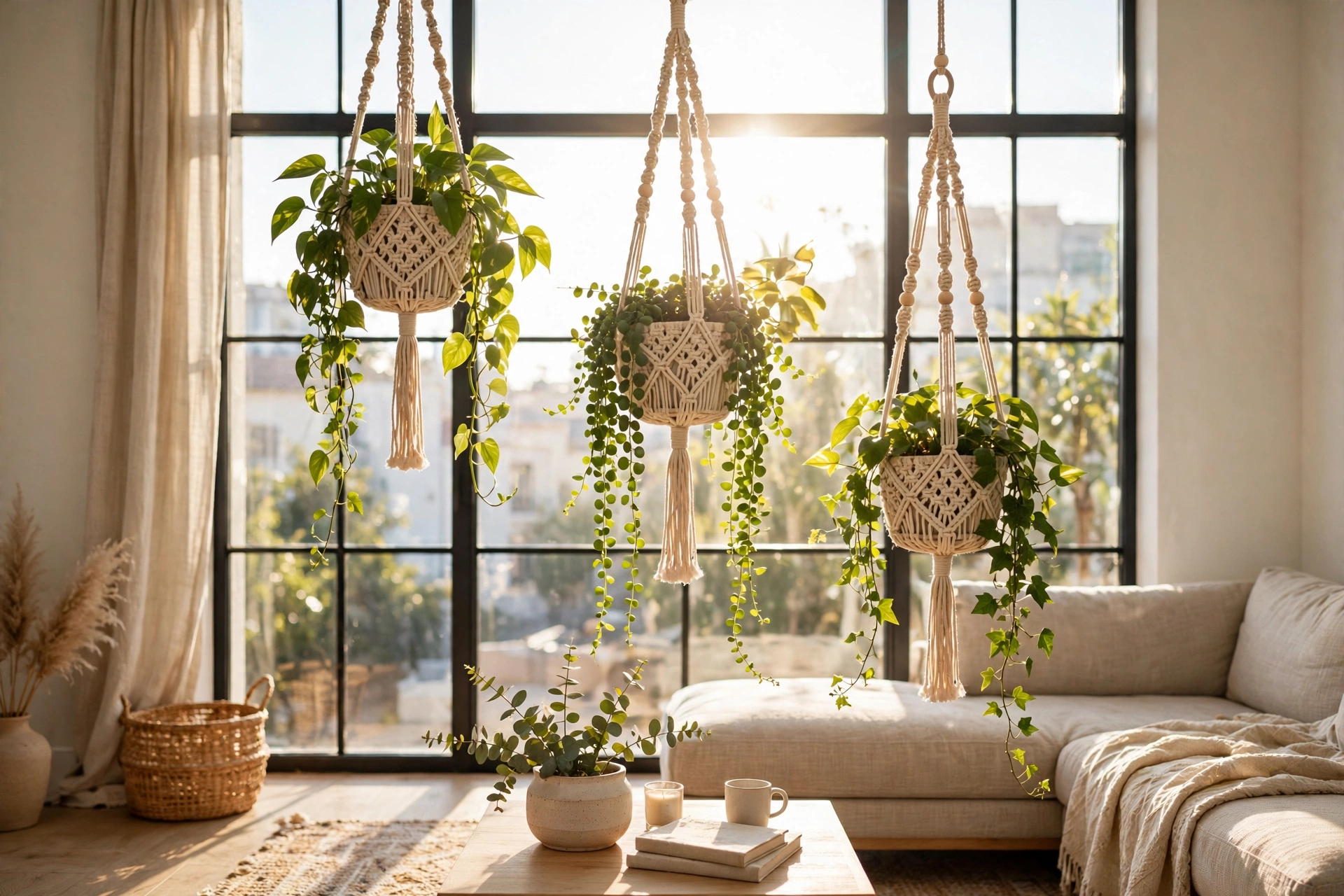
10. Hang Planters in Front of the Window
Windows are prime plant real estate that most studios waste. Hang two or three planters at staggered heights ($12–$25 each with hardware) directly in front of your brightest window and fill them with light-lovers like spider plants, string of pearls, or herbs. The greenery filters harsh sunlight beautifully and gives you a living curtain that changes with the seasons. Pair the setup with the layered approach in our studio apartment lighting ideas so plants and lamps share the glow after dark. Pro tip: use a tension rod inside deep window frames for a no-drill hanging solution — renters get the full look with zero holes to patch.
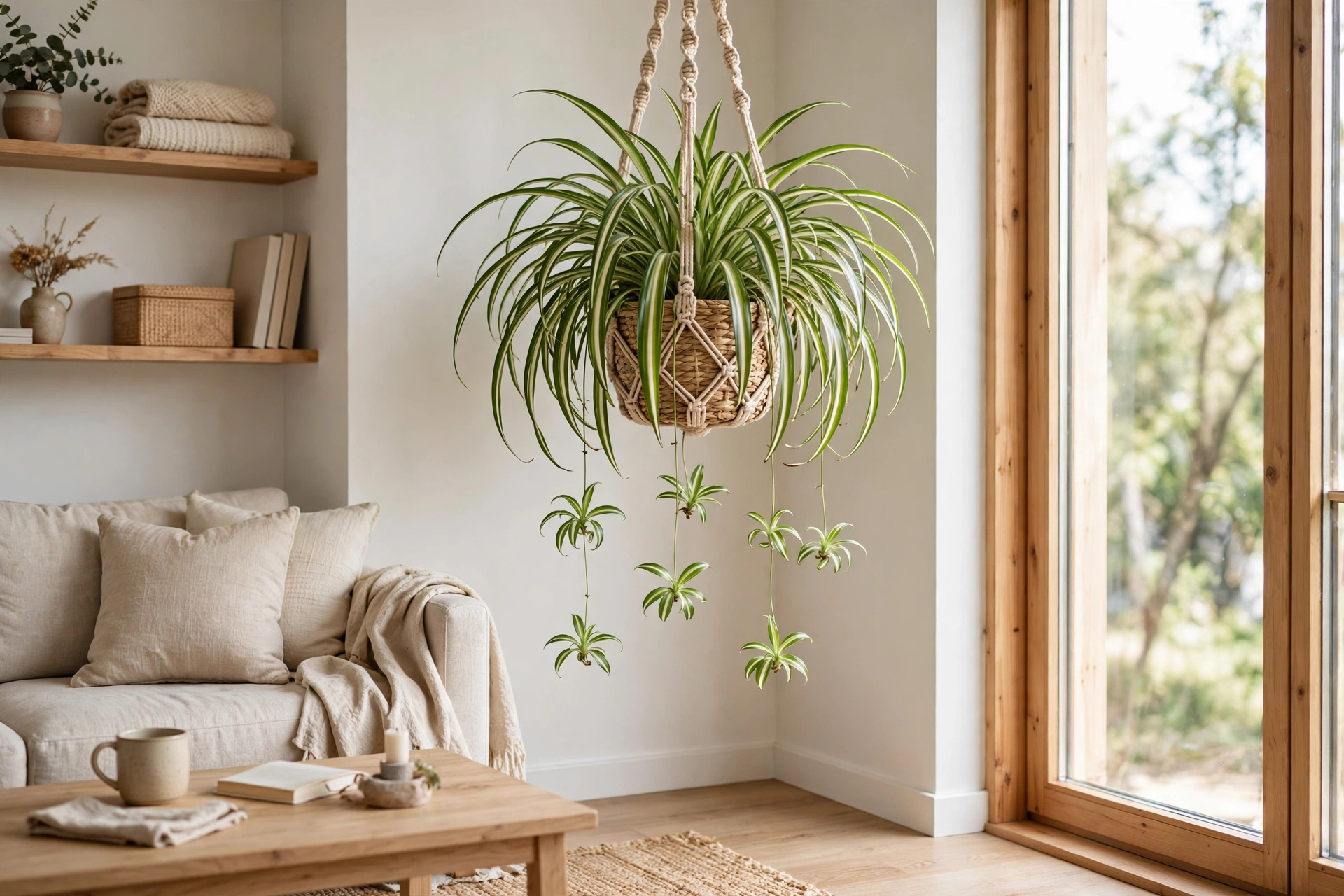
11. Let a Spider Plant Dangle in a Basket
Spider plants are retro-cool again, and their arching striped leaves plus dangling baby plantlets look fantastic in a hanging basket ($10–$20 for plant and hanger). They tolerate low light, irregular watering, and outright neglect — then reward you by producing endless babies you can pot up. Hang one in a bathroom window or above the kitchen sink where humidity keeps it happiest. Pro tip: brown leaf tips mean inconsistent watering or fluoride — water thoroughly when the top inch dries and the tips stay green and crisp-looking.
12. Trail Philodendron Along Your Bookshelf
Heartleaf philodendron does everything pothos does but with softer, glossier leaves and an even faster growth habit — $8–$14 for a lush 6-inch pot. Train the vines along the top of a bookshelf using tiny adhesive clips ($5 for a pack), and within months you have a green frame around your books. It tolerates the medium-low light that bookshelves usually get. Pro tip: philodendron leaves get dramatically larger when the vine climbs instead of trails — give one a moss pole and watch the leaves double in size, a free upgrade to a more “mature” looking plant.
13. Train a Climber Up a Moss Pole
A moss pole ($12–$20) turns any vining plant — monstera, pothos, philodendron — into a vertical exclamation point that eats zero floor space. The aerial roots grip the damp sphagnum and the plant climbs upward, producing bigger, more dramatic leaves as it goes. One pole in a 10-inch pot creates a 4-foot green column that anchors a dead corner beautifully. Pro tip: mist the moss pole (not just the soil) a few times a week — the aerial roots drink from the pole itself, and a moist pole grows a lusher, faster-climbing plant.
14. Mount Planters Directly on the Wall
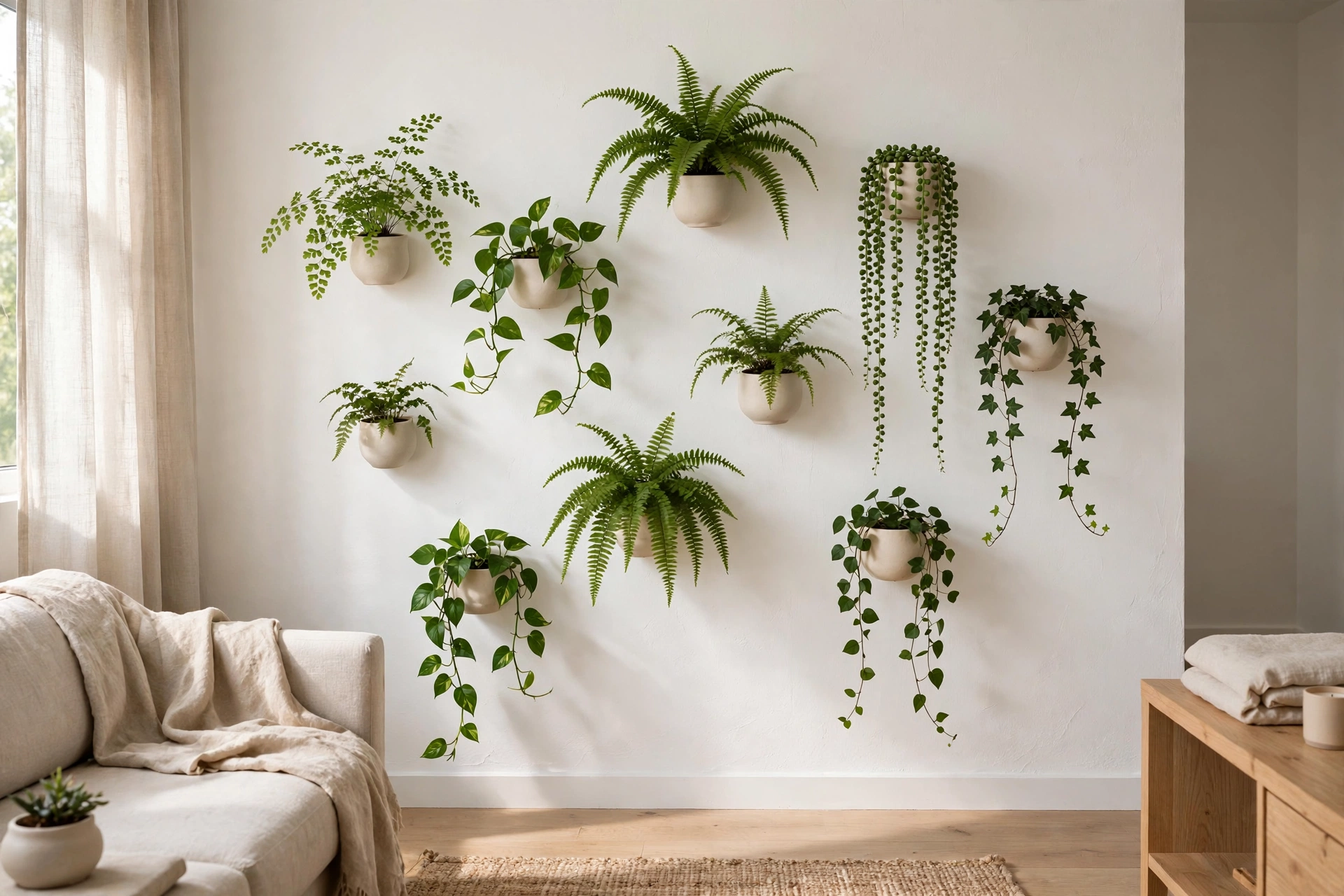
Wall-mounted planters turn a blank wall into a living gallery with no floor or shelf space sacrificed. Ceramic wall pockets, mounted test-tube vases, or a simple pegboard with pots ($20–$50 for a set) hold small plants like ferns, pileas, and trailing vines. Arrange five to seven at varying heights for a composition that reads as art. This keeps surfaces clear in the spirit of minimalist studio apartment decor while adding the warmth only living things provide. Pro tip: line wall planters with a plastic insert or choose ones with drainage trays — water damage on drywall is the hidden cost of wall gardens, and a $2 liner prevents it.
Nearly Unkillable Picks for Low Light & Busy Lives
15. Trust the Snake Plant in Dark Corners
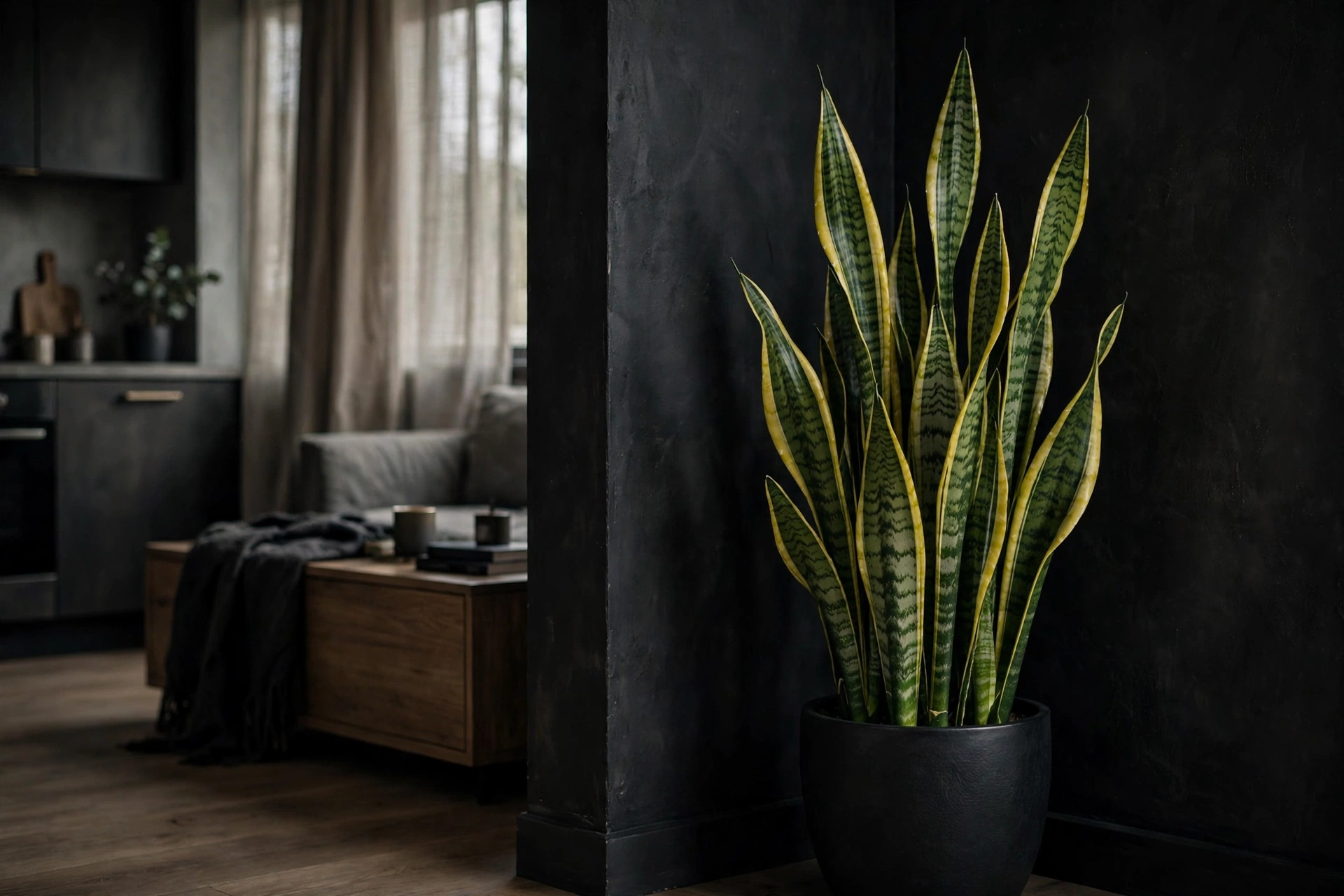
The snake plant (sansevieria) survives conditions that kill everything else — dark corners, weeks without water, dry heated air. Its stiff, architectural blades ($15–$35 for a full pot) add strong vertical lines that suit modern studios. It also releases oxygen at night, making it one of the few plants genuinely suited to the sleeping zone. Water once every 3–4 weeks and otherwise ignore it completely. Pro tip: the number-one snake plant killer is kindness — overwatering rots the roots. When in doubt, wait another week; these plants store water in their thick leaves for exactly this reason.
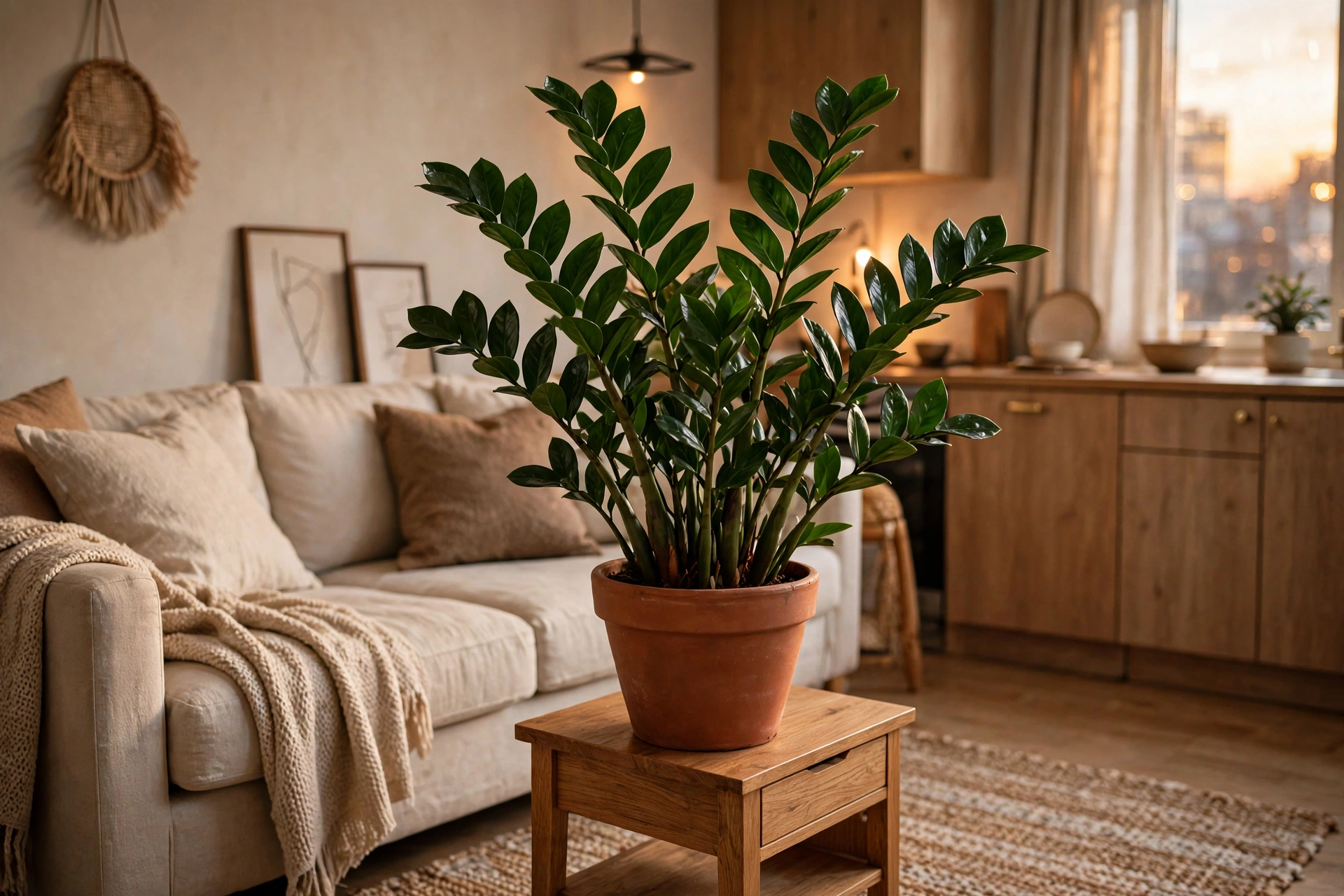
16. Go for the ZZ Plant, the Neglect-Proof Classic
ZZ plants look like they were designed by an architect — glossy, symmetrical leaflets on upright stems — yet ask for almost nothing. A full 6-inch pot costs $18–$35 and tolerates the darkest livable corner plus watering every 3–5 weeks. The raven variety, with near-black foliage, is a showstopper in moody or modern studios. Growth is slow, so buy the size you want to display. Pro tip: ZZ rhizomes store water underground like potatoes — if the stems ever flop, you’ve overwatered. Let it dry out completely and it usually recovers on its own.
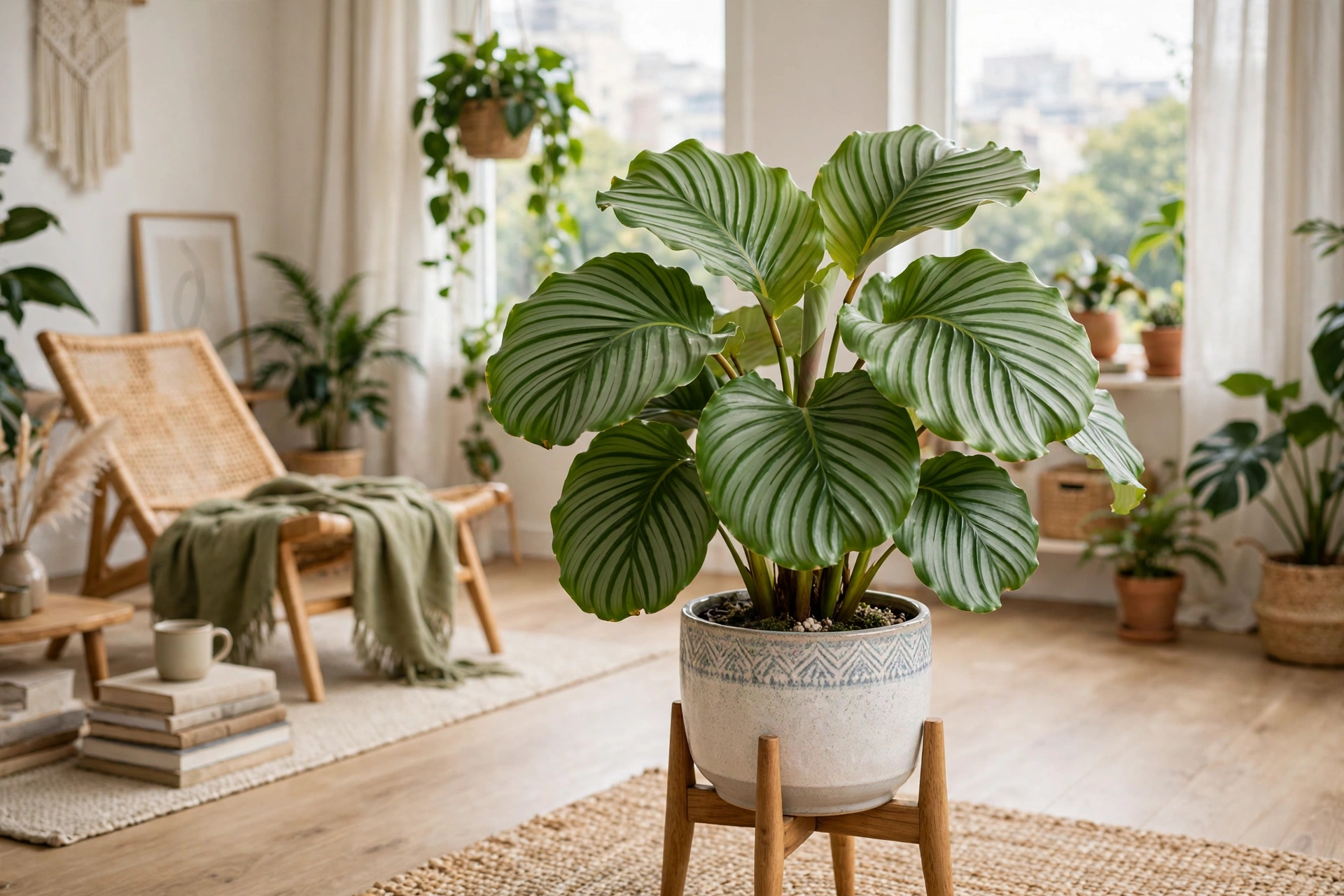
17. Collect Calatheas for Living Patterns
Calatheas — orbifolia, medallion, rattlesnake — have the most intricate leaf patterns of any houseplant, like nature printed wallpaper. A 6-inch pot runs $20–$40. They want medium indirect light and consistent moisture, plus they dramatically raise and lower their leaves between day and night (the “prayer” movement). They’re the perfect plant for someone who wants visual interest without flowers. Pro tip: calatheas crisp at the edges in dry air — group yours with other plants on a pebble tray with water, which raises local humidity far more effectively than occasional misting.
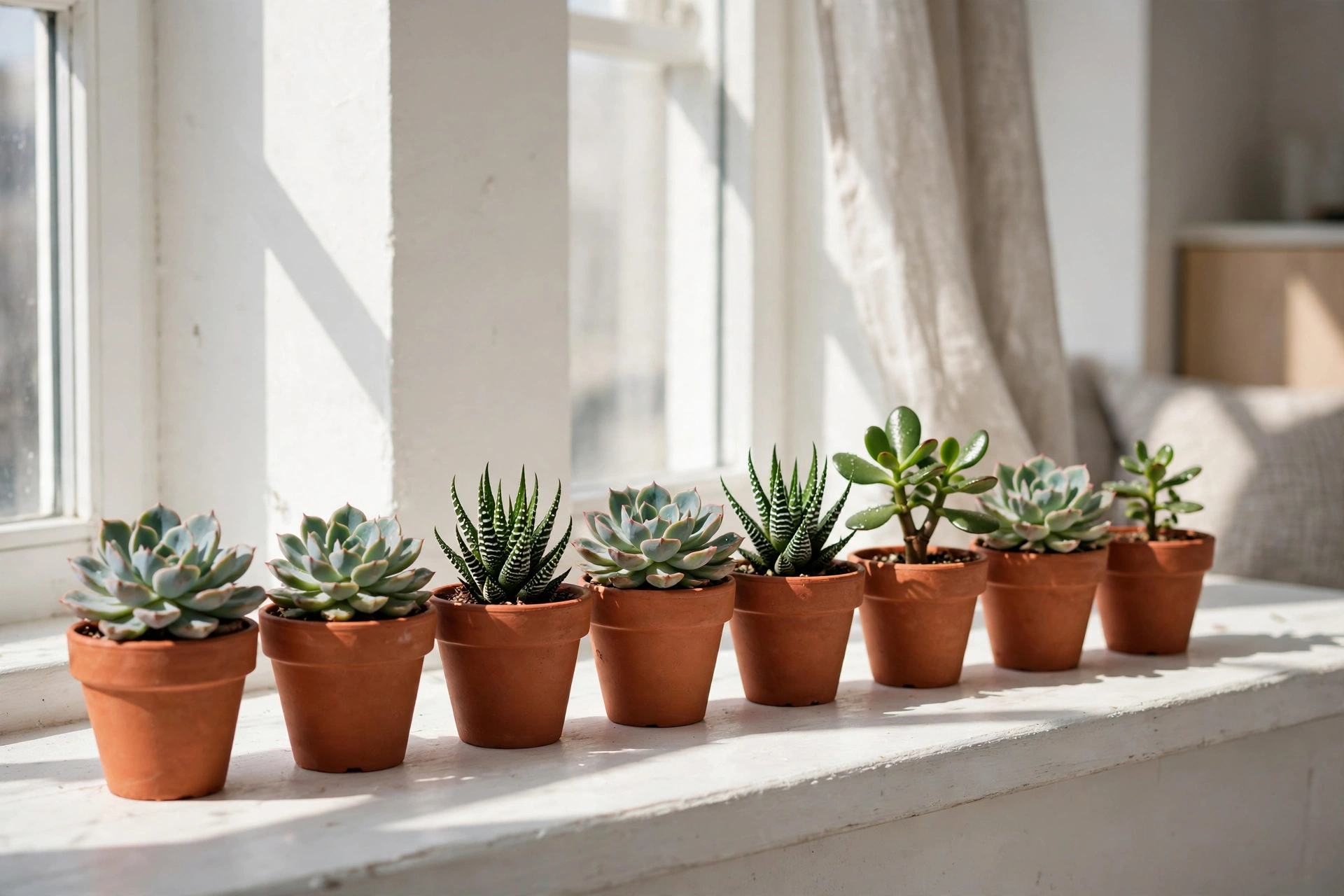
18. Build a Succulent Windowsill Collection
Succulents — echeveria, haworthia, jade, burro’s tail — are tiny sculptures that ask for a sunny sill and water every two weeks. Individual 2–4 inch pots cost $3–$8, so a full collection of ten costs less than one fiddle leaf fig. Their geometric rosettes and varied textures look incredible grouped in matching terracotta or concrete pots. They thrive on the bright, direct light that many tropicals can’t handle. Pro tip: succulents stretch tall and pale (“etiolation”) when light-starved — if yours elongate, move them closer to the glass or add a small grow bulb; stretched growth never compacts back.
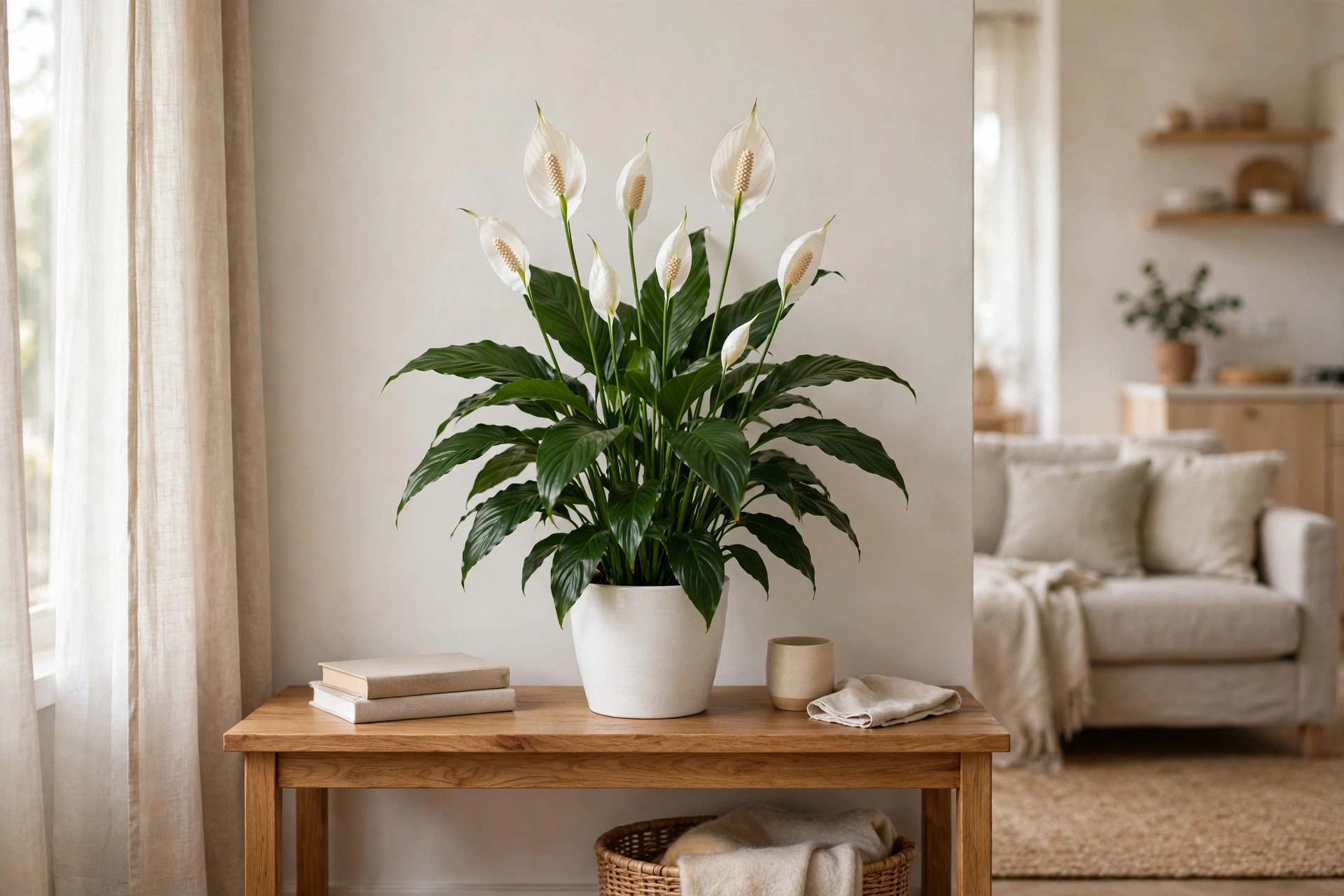
19. Bloom Indoors With a Peace Lily
Peace lilies are the rare low-light plant that actually flowers — elegant white spathes rising above glossy dark leaves several times a year. A full plant costs $20–$40 and tolerates the medium-low light of interior studio walls. It even tells you when it’s thirsty by dramatically drooping, then perks up within hours of watering — the most communicative plant you can own. Pro tip: peace lilies bloom more with consistent feeding — a half-strength liquid fertilizer monthly from spring through fall doubles the flower count versus never feeding at all.
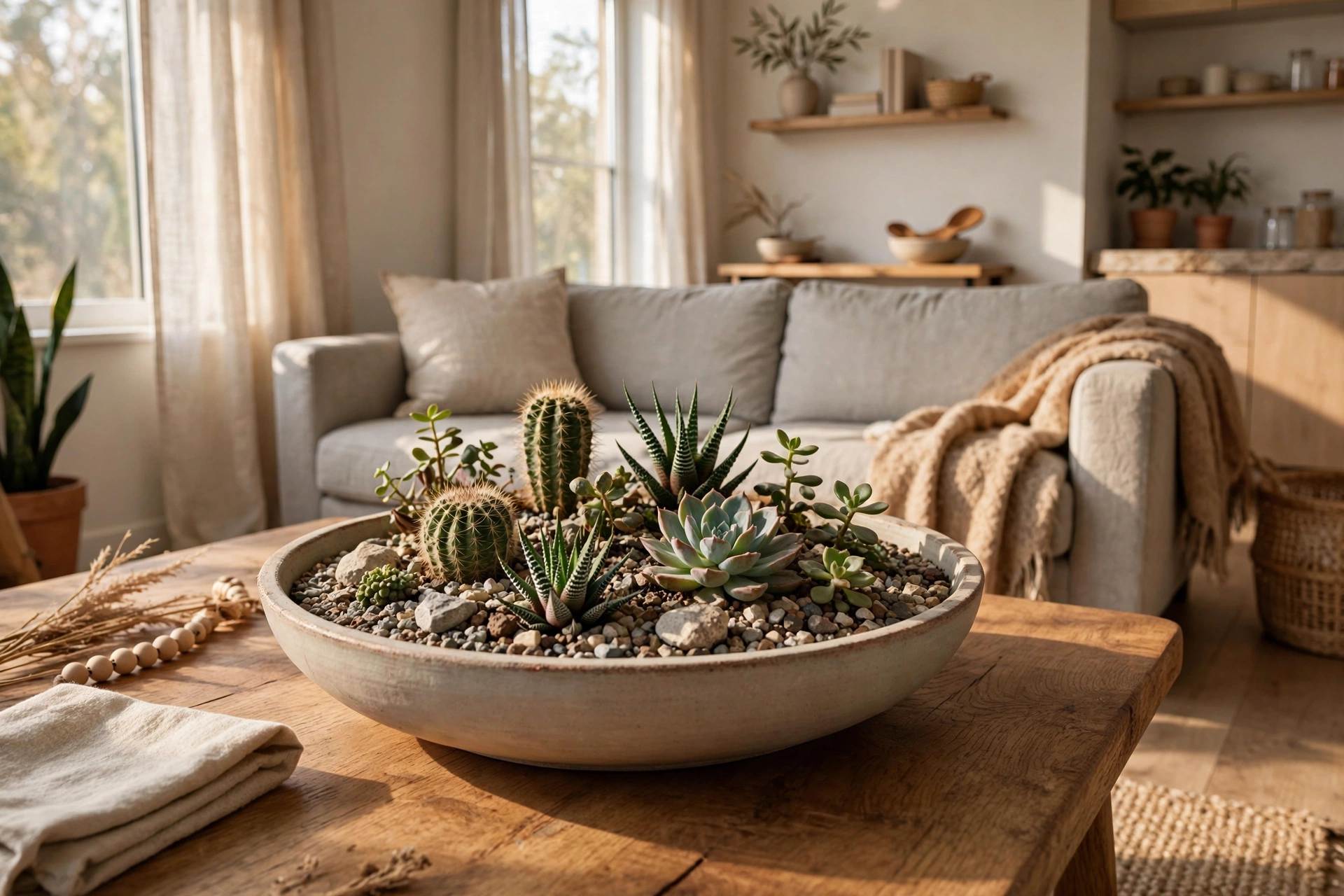
20. Plant a Cactus & Succulent Bowl Garden
A wide, shallow bowl ($15–$30) planted with a mix of cacti and succulents becomes a desert landscape in miniature — sculptural, colorful, and watered roughly monthly. Arrange tall specimens at the back, rosettes in the middle, and trailing sedums spilling over the front edge, then top-dress with gravel or sand for a finished look. It lives happily on a coffee table, desk, or sunny shelf. Pro tip: use a cactus-specific gritty soil mix, not regular potting soil — standard mix stays wet too long and rots desert plants, while gritty mix drains in seconds.
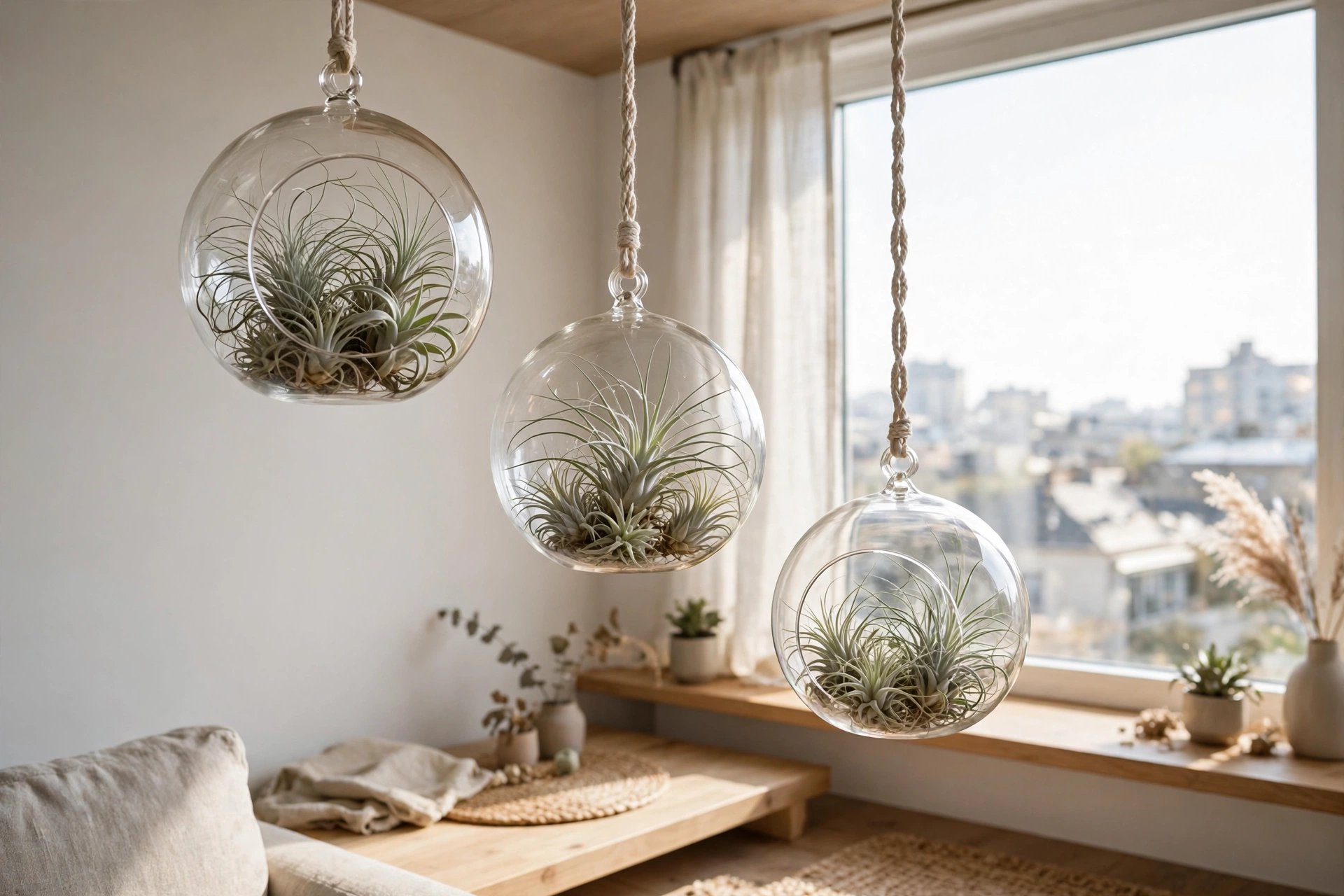
21. Float Air Plants in Glass Globes
Air plants (tillandsia) need no soil at all — they drink through their leaves, so they live in glass globes, on driftwood, or in hanging wire frames ($3–$10 per plant, $8–$20 for display vessels). They suit the tiniest surfaces: a bathroom shelf, a desk corner, a windowsill edge. Soak them in water for 20 minutes weekly, then shake dry and return to their display. Pro tip: air plants rot if water sits in their bases — always dry them upside down after soaking, and never display them somewhere with zero airflow like a sealed terrarium.
Kitchen, Bath & Small-Corner Green Ideas
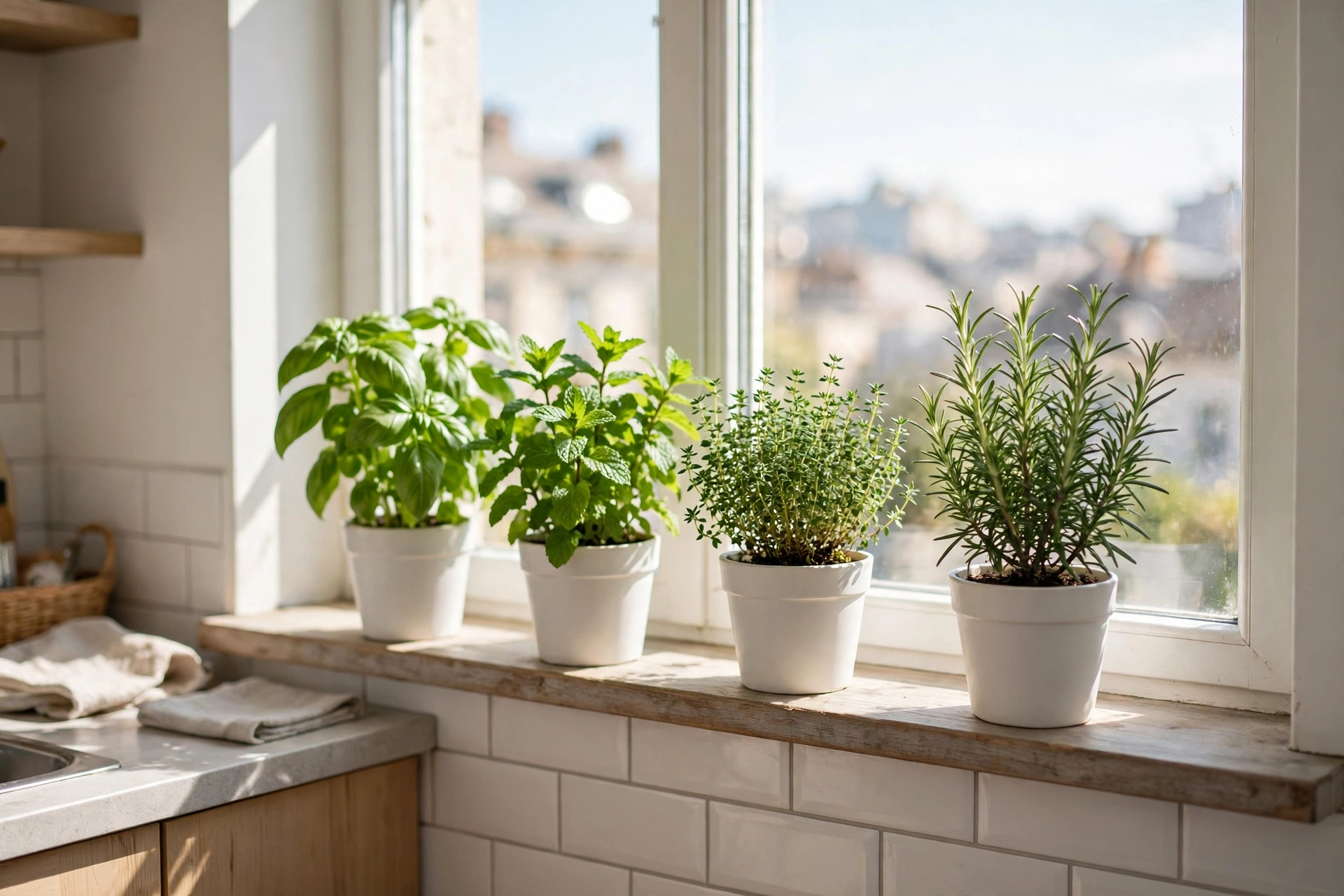
22. Grow a Windowsill Herb Garden
A row of basil, mint, thyme, and rosemary on the kitchen sill ($3–$5 per starter plant) is the hardest-working greenery in any studio — it decorates, scents the air, and seasons your cooking. Herbs want the brightest window available and regular harvesting, which keeps them bushy instead of leggy. Snip from the top down and never take more than a third at once. Pro tip: supermarket “living herb” pots ($4) are grown for quick harvest, not longevity — split each pot into two, repot in fresh soil, and they transform from disposable to perennial within weeks.
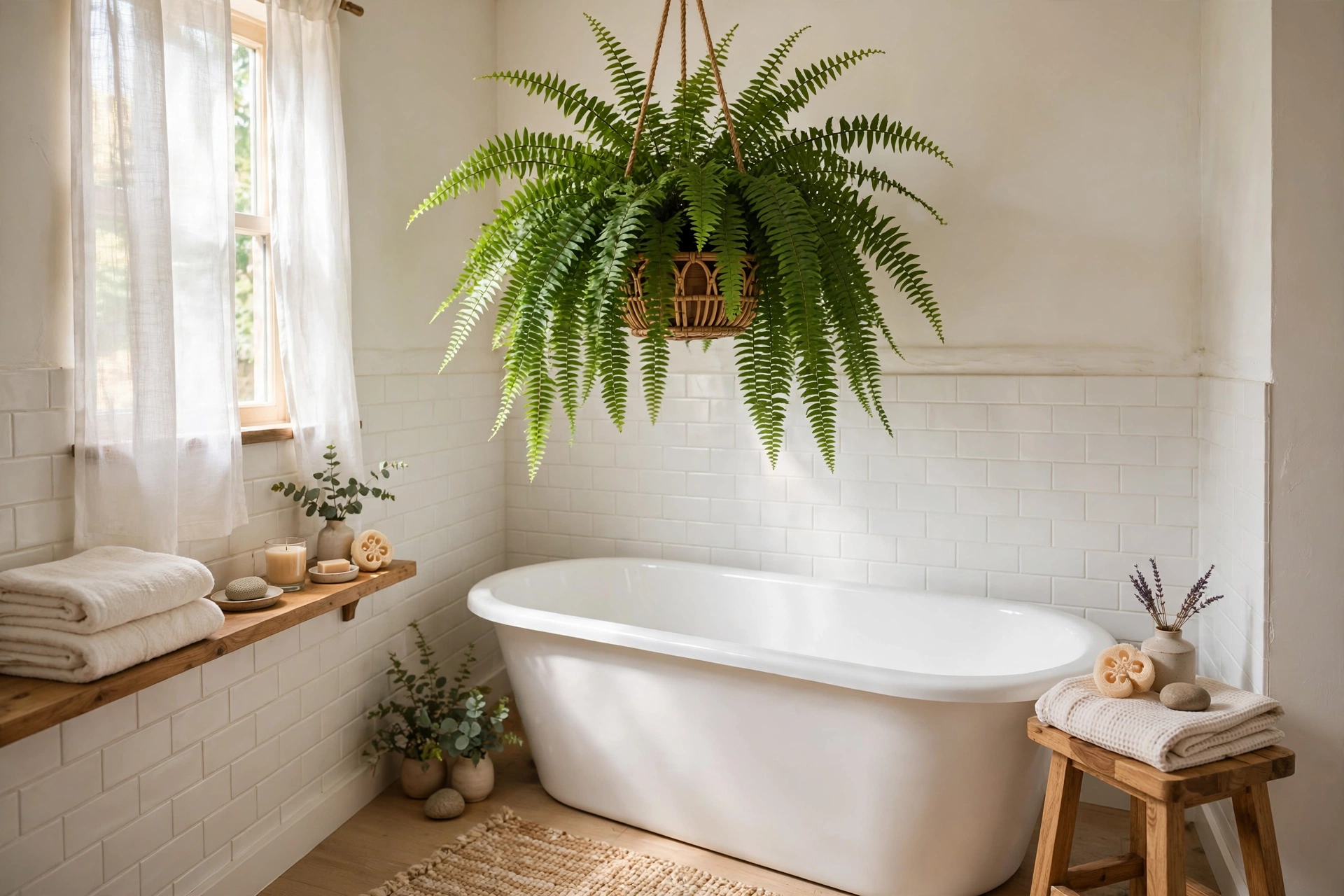
23. Let Ferns Thrive in the Bathroom
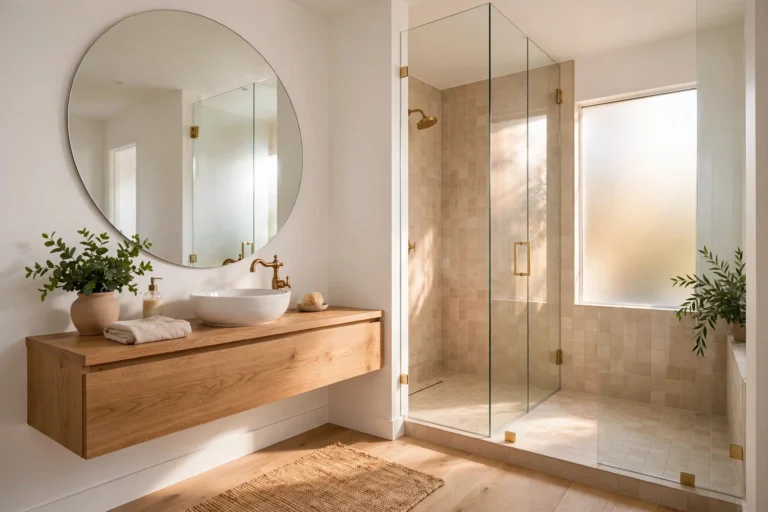
Bathrooms are secret plant paradises — the steam from every shower creates the humidity that ferns, calatheas, and orchids crave. A Boston fern ($15–$30) in a hanging basket above the tub or on a high shelf turns a plain bath into a spa. Even windowless bathrooms work if you add a small grow bulb on a timer. The humidity does half the care work for you. Pro tip: ferns shed when the air dries out between showers — if yours drops fronds in winter, move it closer to the shower or run the hot water for a minute with the door closed to steam the room.
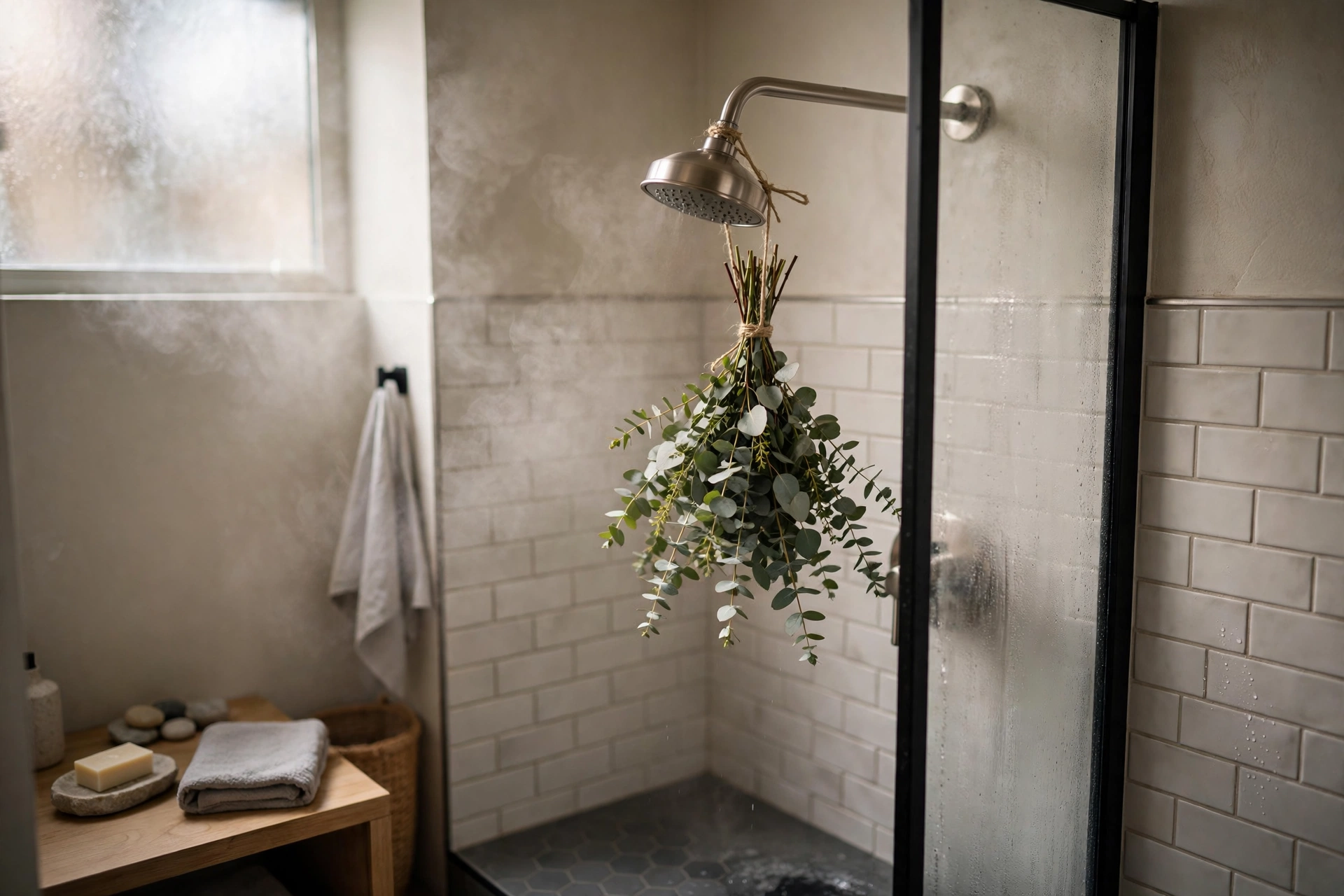
24. Hang a Eucalyptus Shower Bundle
Tie a bunch of fresh eucalyptus stems ($8–$15) to your showerhead with twine and every hot shower releases a spa-grade aromatherapy cloud. It’s not a living plant arrangement, but it brings genuine botanical presence — silvery-green stems, menthol scent, and a high-end hotel feel — to the smallest bathroom. One bundle lasts 3–4 weeks before the scent fades. Pro tip: keep the bundle out of the direct water stream — steam activates the oils, but constant soaking rots the stems and kills the scent in days instead of weeks.
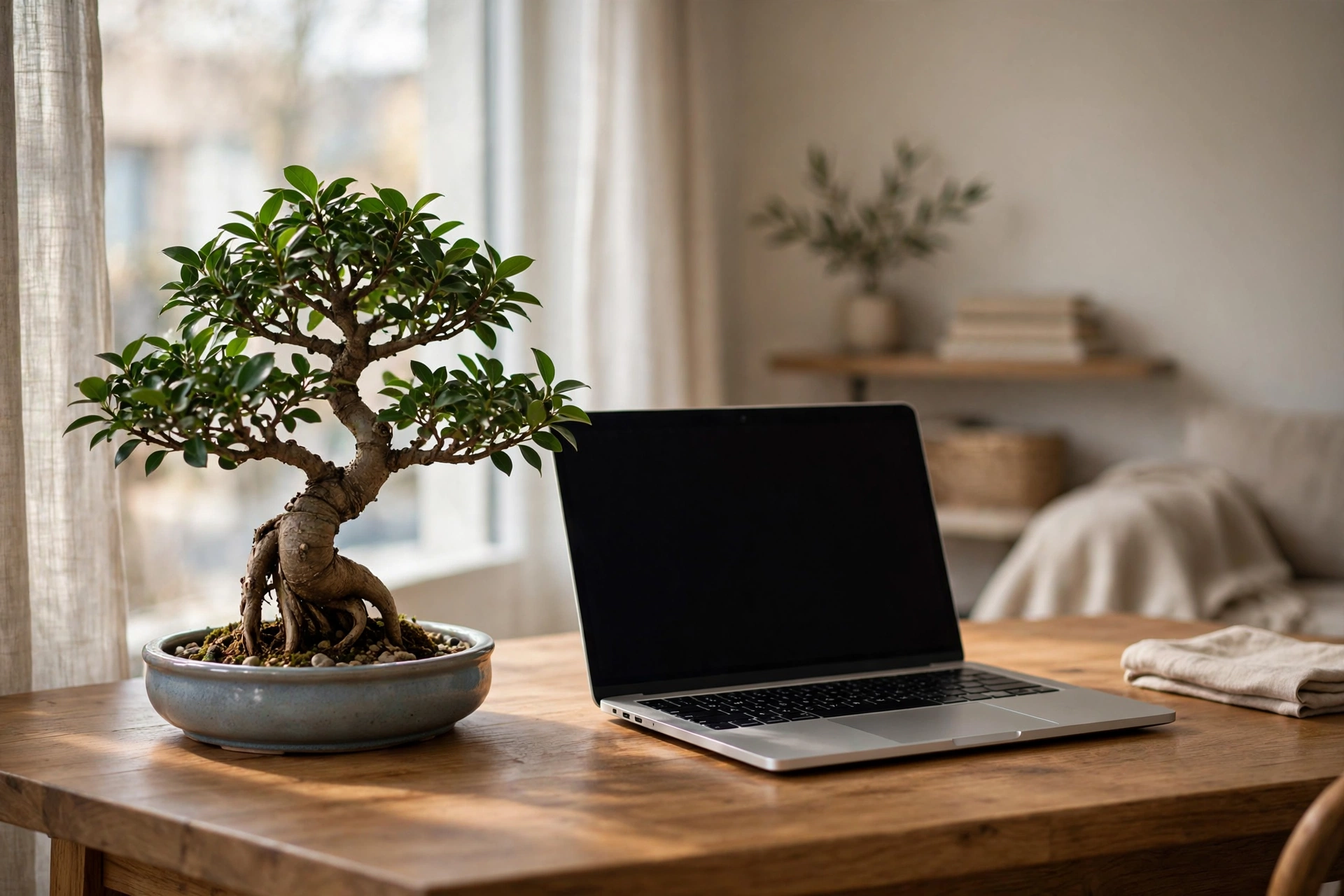
25. Style a Bonsai on Your Desk
A bonsai is a whole landscape on a six-inch tray — ancient-looking trunks, tiny canopies, and a meditative presence perfect for a work-from-home desk. Beginner-friendly ficus or jade bonsai cost $25–$60 and need bright light plus watering when the soil surface dries. The daily two-minute check becomes a calming ritual between tasks. Pair it with natural materials the way our farmhouse studio apartment ideas pair rustic textures with living things. Pro tip: bonsai soil dries fast in small pots — check moisture with a wooden chopstick pushed into the soil; water when it comes out dry, not on a fixed schedule.
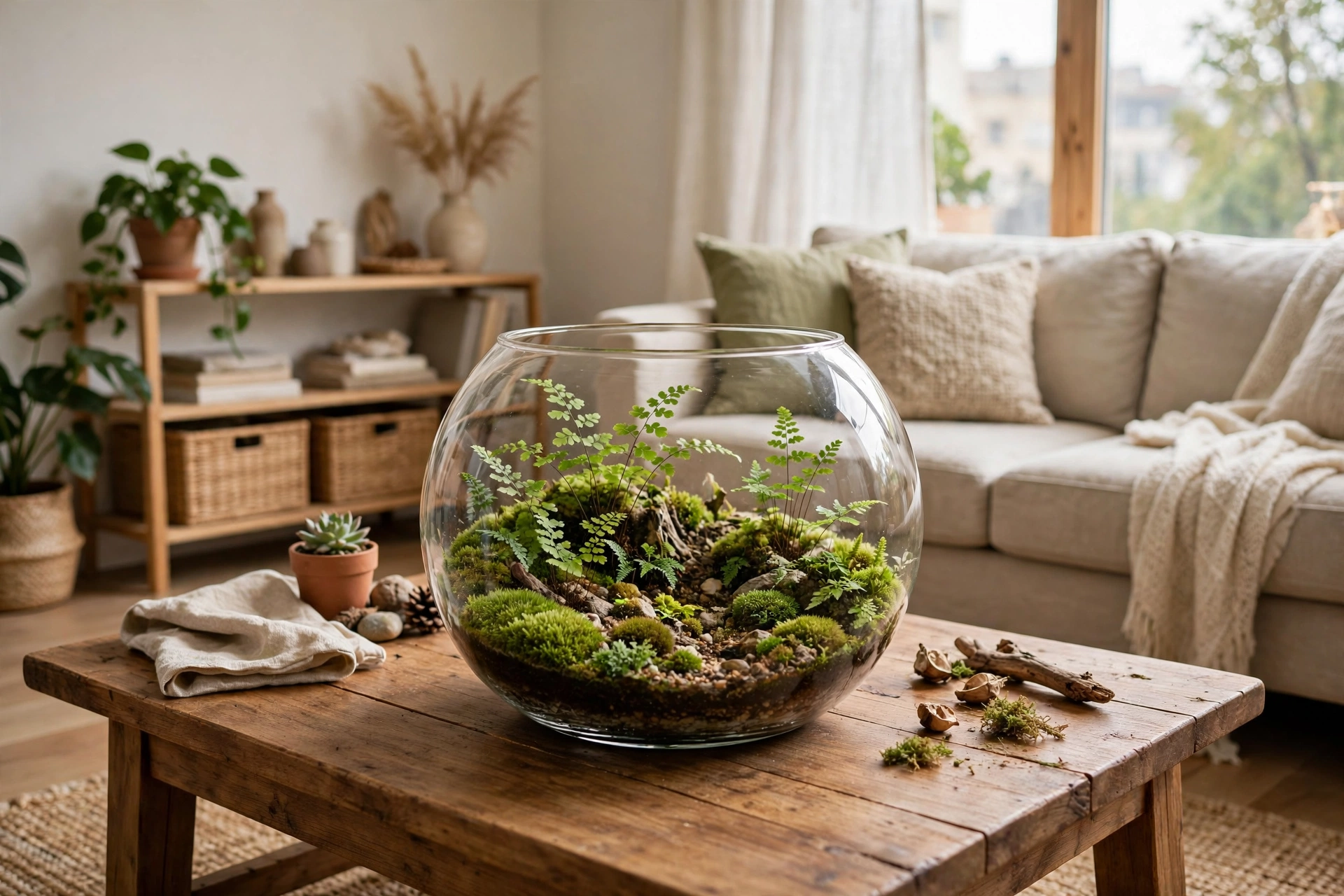
26. Build a Terrarium Centerpiece
A glass terrarium ($20–$40 for the vessel) is a self-contained ecosystem that needs watering only every few weeks — the glass traps humidity and the plants largely care for themselves. Layer pebbles, charcoal, and soil, then plant small ferns, fittonia, or mosses for a tiny forest under glass. It works as a coffee-table centerpiece, a dining-table runner anchor, or a shelf vignette. Pro tip: open terrariums suit succulents and cacti; closed ones suit ferns and mosses — mixing the two in one vessel guarantees one group rots, so commit to one humidity style per container.
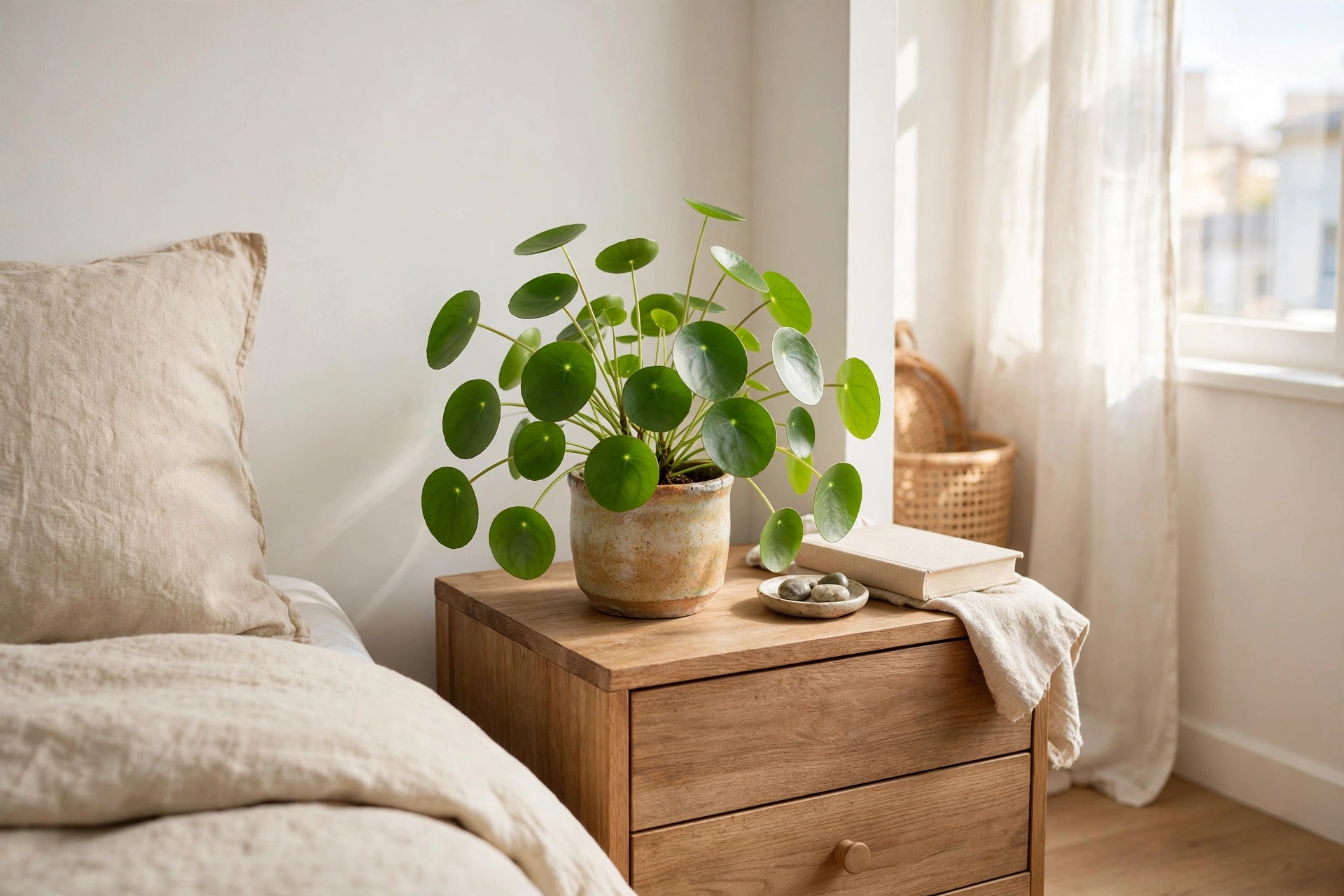
27. Pop a Pilea on Every Surface
The pilea peperomioides (Chinese money plant) looks like a stack of green coins on thin stems — playful, photogenic, and endlessly giftable since it sprouts babies constantly. A 4-inch pot costs $10–$20 and it thrives in bright indirect light with weekly watering. Its compact size suits nightstands, desk corners, and narrow shelves where bigger plants can’t go. Pro tip: pilea babies grow from the soil around the mother plant — wait until a pup has 3–4 leaves, then slice it away with some roots attached and pot it up for a free plant.
Display & Styling Tricks That Save Floor Space
28. Build a Floating Plant Shelf Wall
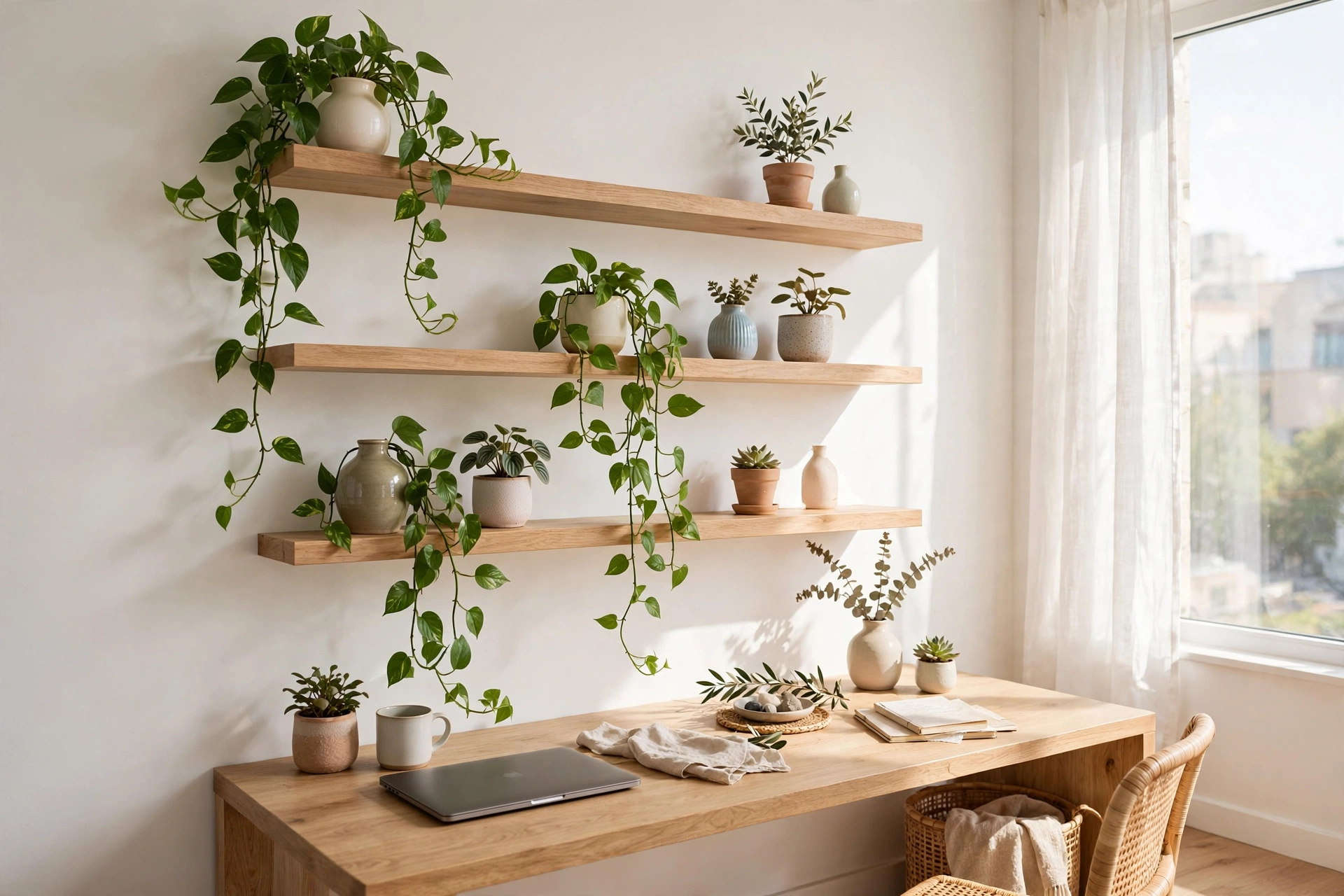
Two or three floating shelves ($20–$40 each) above a desk, sofa, or bed create a vertical garden that uses zero floor space. Mix trailing pothos on the top shelf, medium plants in the middle, and small succulents below for a cascading composition. The shelves double as decor display, so plants and ceramics share the stage. Anchor shelves into studs — a shelf of watered plants is heavier than it looks. Pro tip: put a waterproof tray or saucer under every shelf plant — one overwatering incident staining the shelf (or the wall below) teaches this lesson permanently.
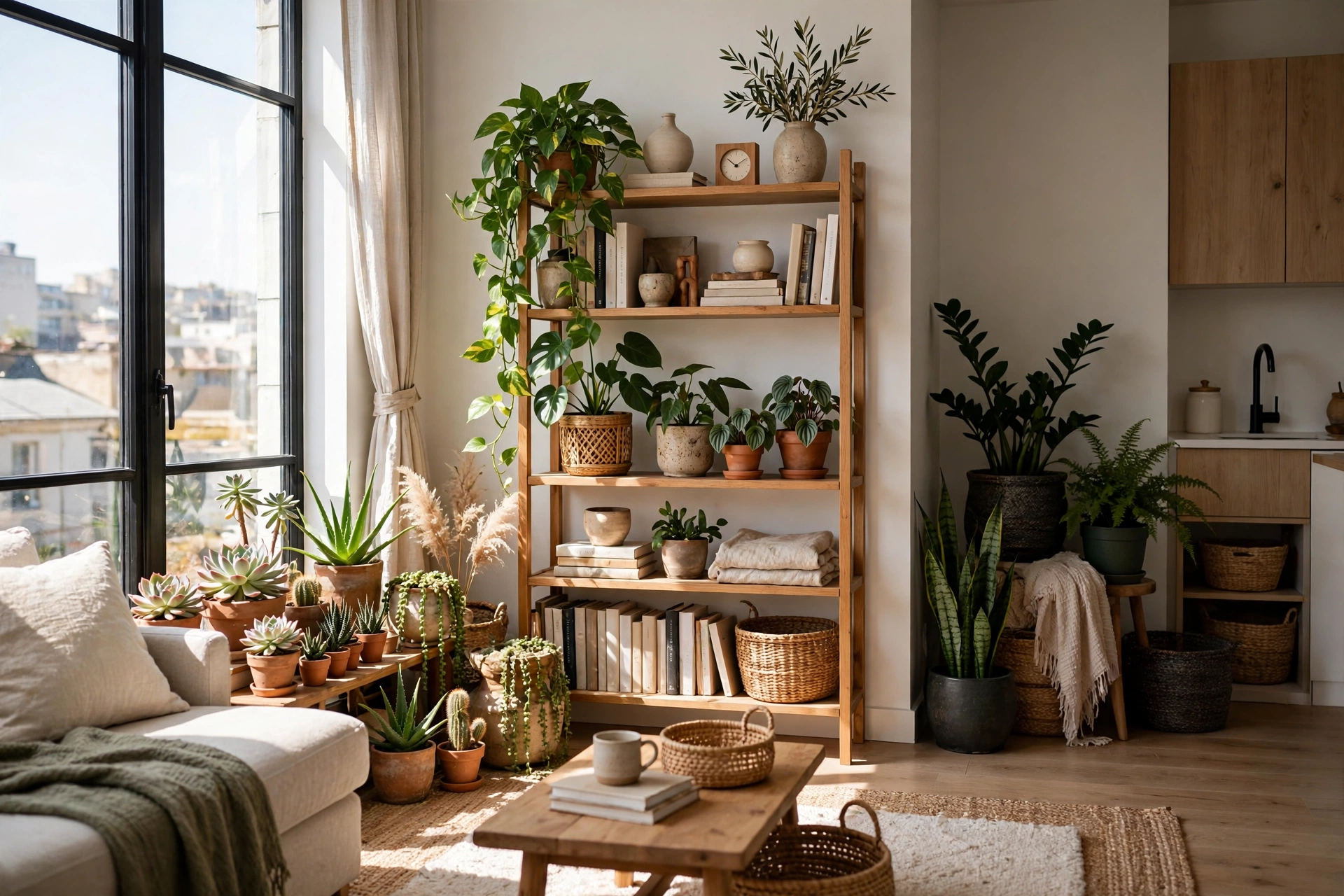
29. Stack a Tiered Ladder Shelf
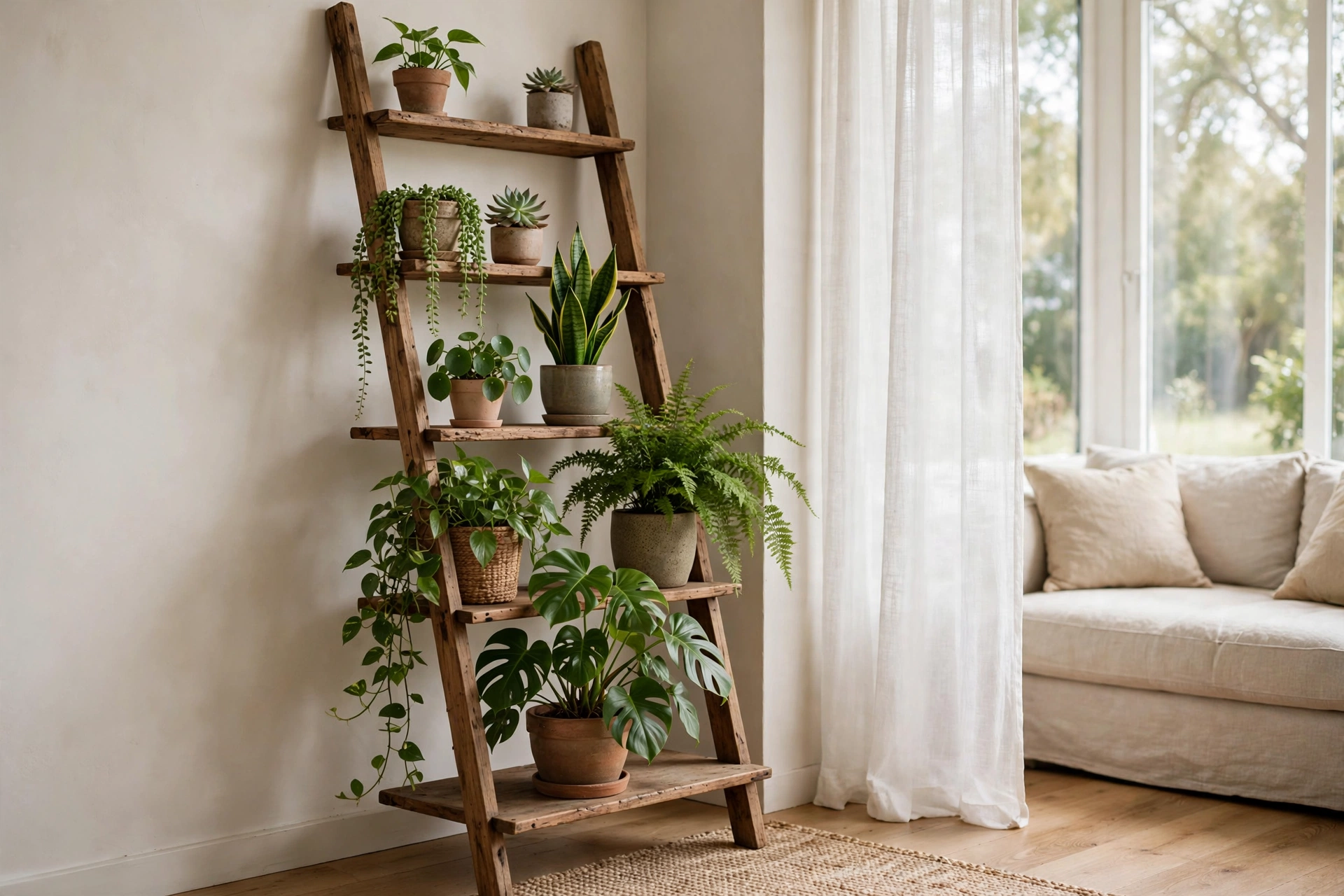
A leaning ladder shelf ($40–$90) holds a dozen plants in the footprint of one — each tier gets light, air circulates freely, and the whole thing leans against the wall with no mounting required. Put sun-lovers on top, medium-light plants in the middle, and low-light tolerant ones at the bottom where light is weakest. It works in entryways, beside windows, and in dead corners. Pro tip: secure the top of the ladder to the wall with a small bracket ($3) — a fully loaded plant ladder is top-heavy, and in a studio you brush past furniture daily.
30. Start a Propagation Station
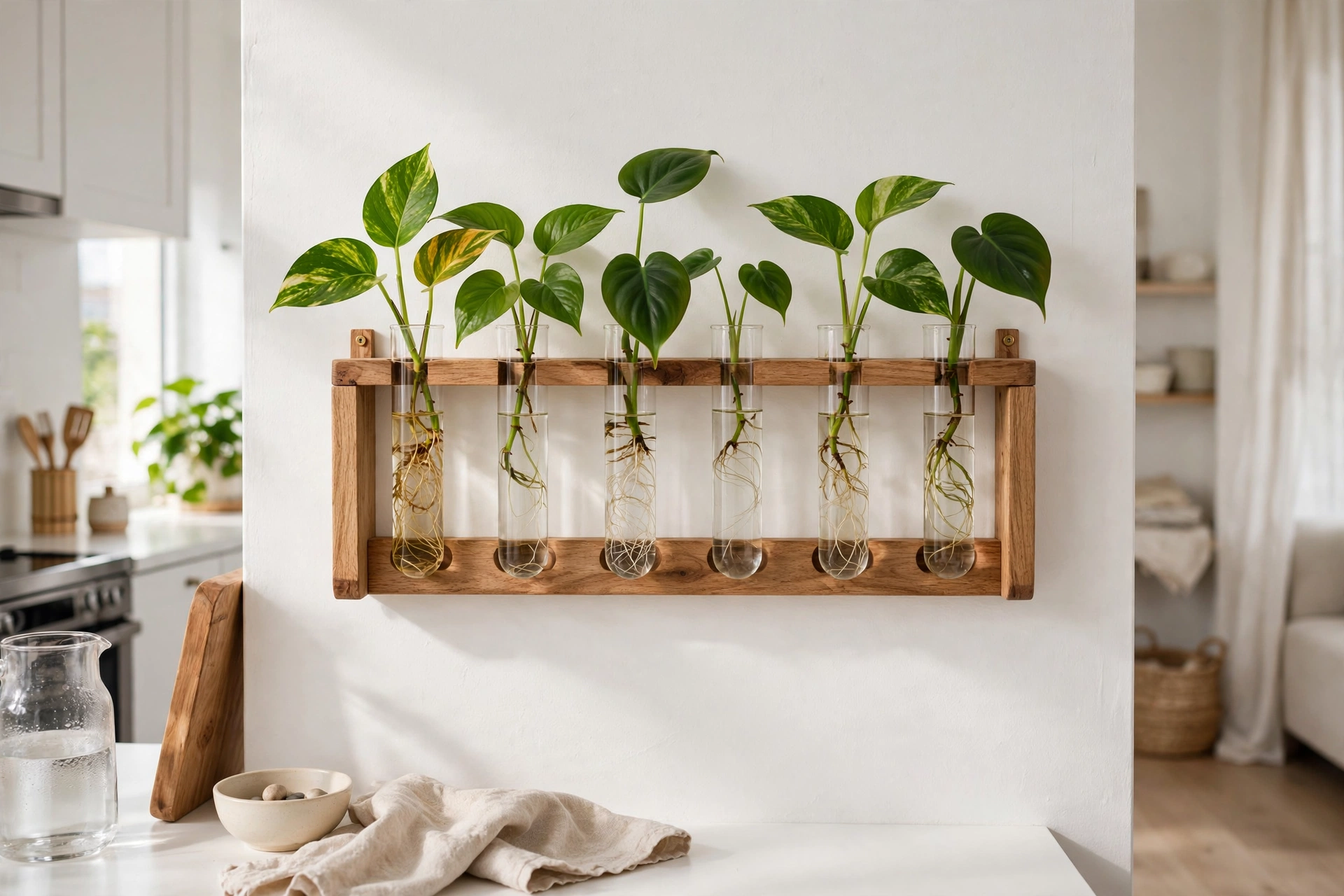
A propagation station — test tubes or small glass vessels ($15–$30 for a set) mounted on wood or hung on the wall — turns plant cuttings into living decor. Fill with pothos, philodendron, and spider plant cuttings rooting in water; the visible roots are fascinating and the station doubles as a nursery for free plants. It brings science-lab charm to a kitchen wall or desk area. Pro tip: change the water weekly and add a drop of liquid fertilizer monthly once roots appear — stagnant water grows algae and slows rooting, while fresh water with light feeding roots cuttings twice as fast.
31. Convert a Cabinet Into a Mini Greenhouse
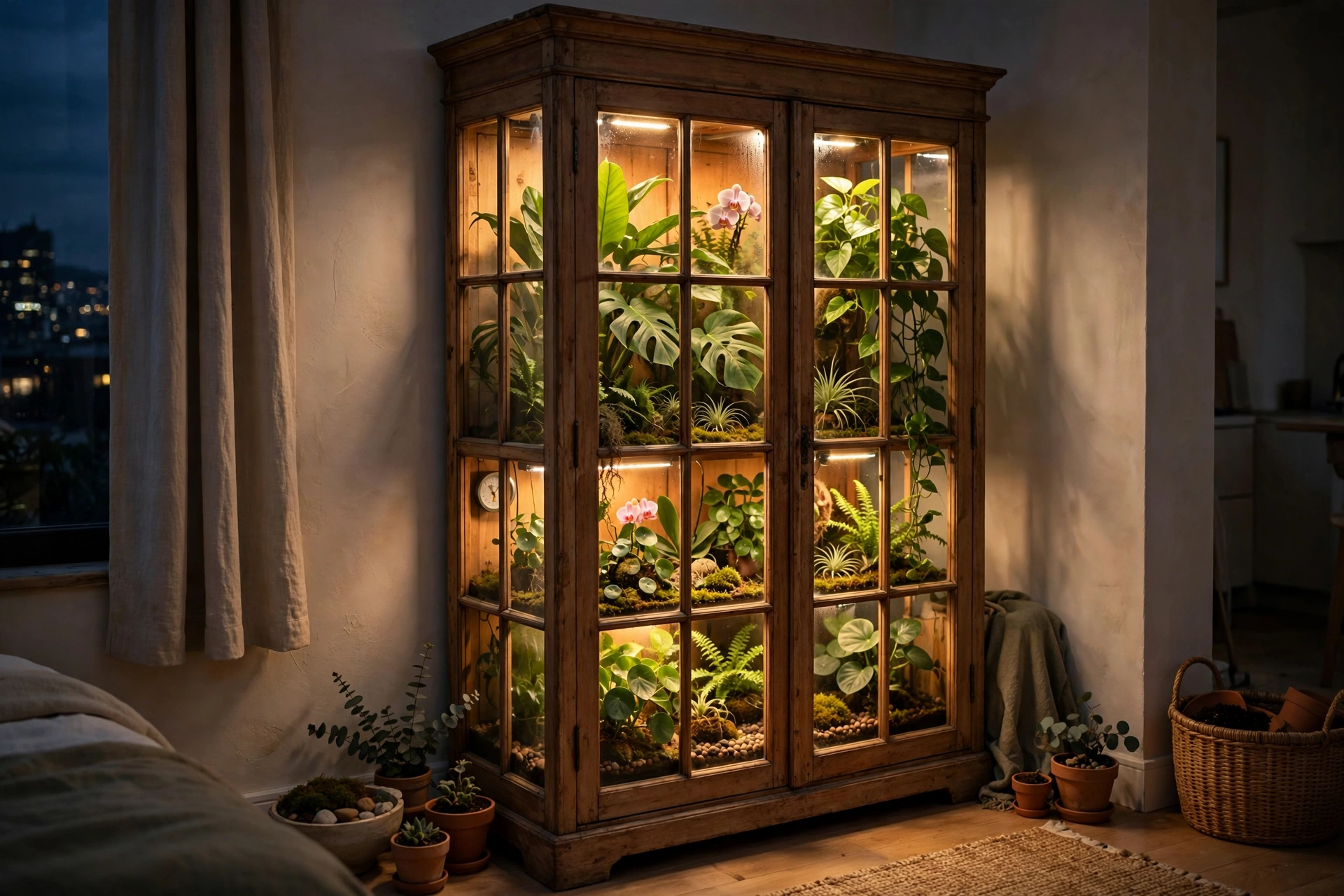
A thrifted glass-front cabinet ($40–$100) fitted with small grow lights and a tiny fan becomes a humidity-controlled greenhouse for calatheas, orchids, and other fussy tropicals. The enclosed space holds moisture beautifully, and the whole thing reads as a stunning display case rather than plant equipment. Line shelves with waterproof mats and keep the doors cracked for airflow. Pro tip: add a $10 digital hygrometer inside — greenhouse cabinets can swing from perfect to mold-friendly fast, and the meter tells you exactly when to vent or mist.
32. Let Statement Planters Do the Decorating
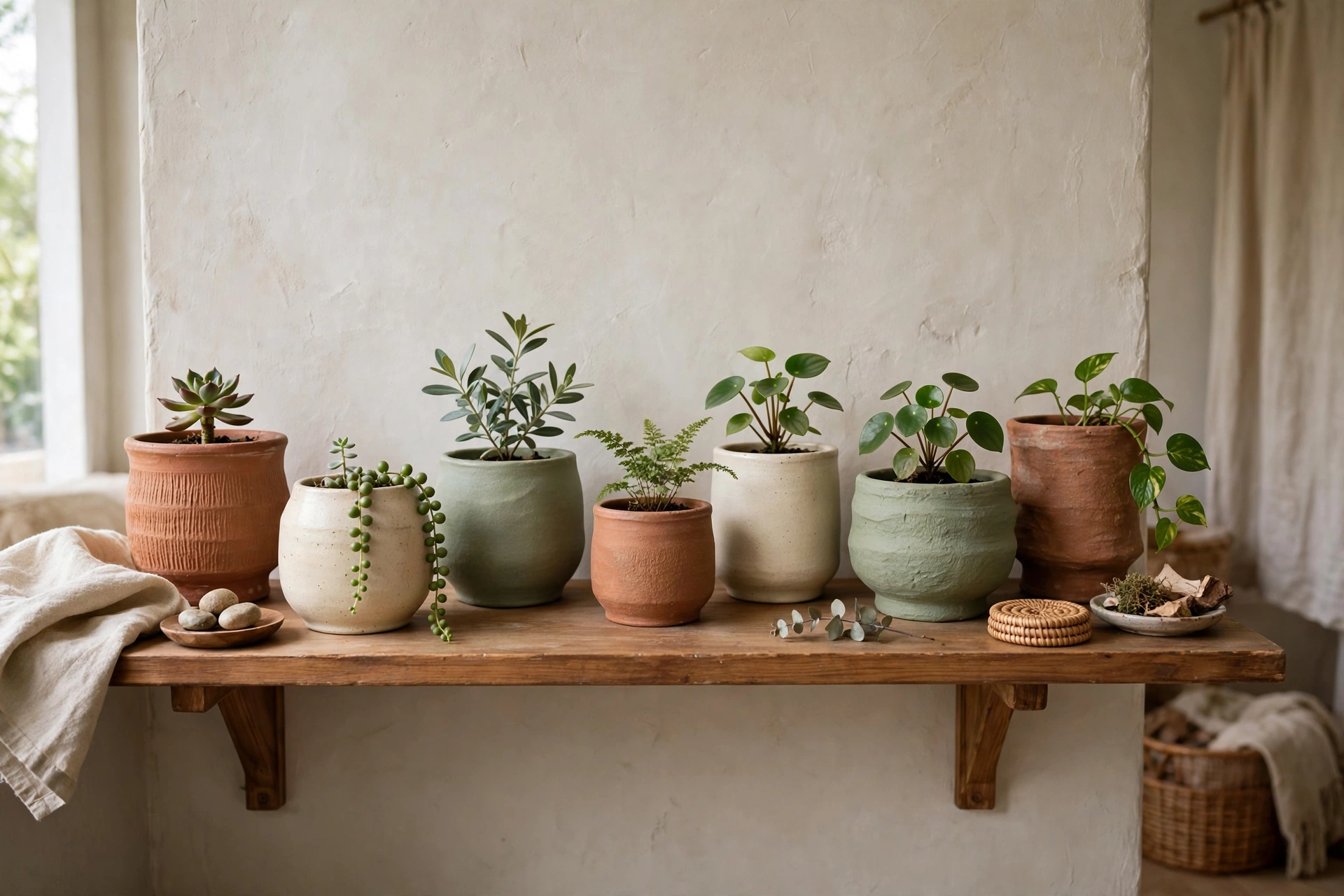
Sometimes the pot matters as much as the plant. A hand-thrown ceramic planter, a vintage brass cachepot, or a textured concrete vessel ($15–$50) elevates even a basic pothos into a styled object. Choose planters that echo your decor — wabi-sabi ceramics for calm spaces like our japandi studio apartment ideas, or bold patterned pots for eclectic rooms. Keep a consistent material story across pots and the collection looks curated. Pro tip: always pot into a plastic nursery pot first, then drop it inside the decorative cachepot — it makes watering, draining, and seasonal repotting infinitely easier than planting directly into decor pots.
33. Group Plants Into Light Zones
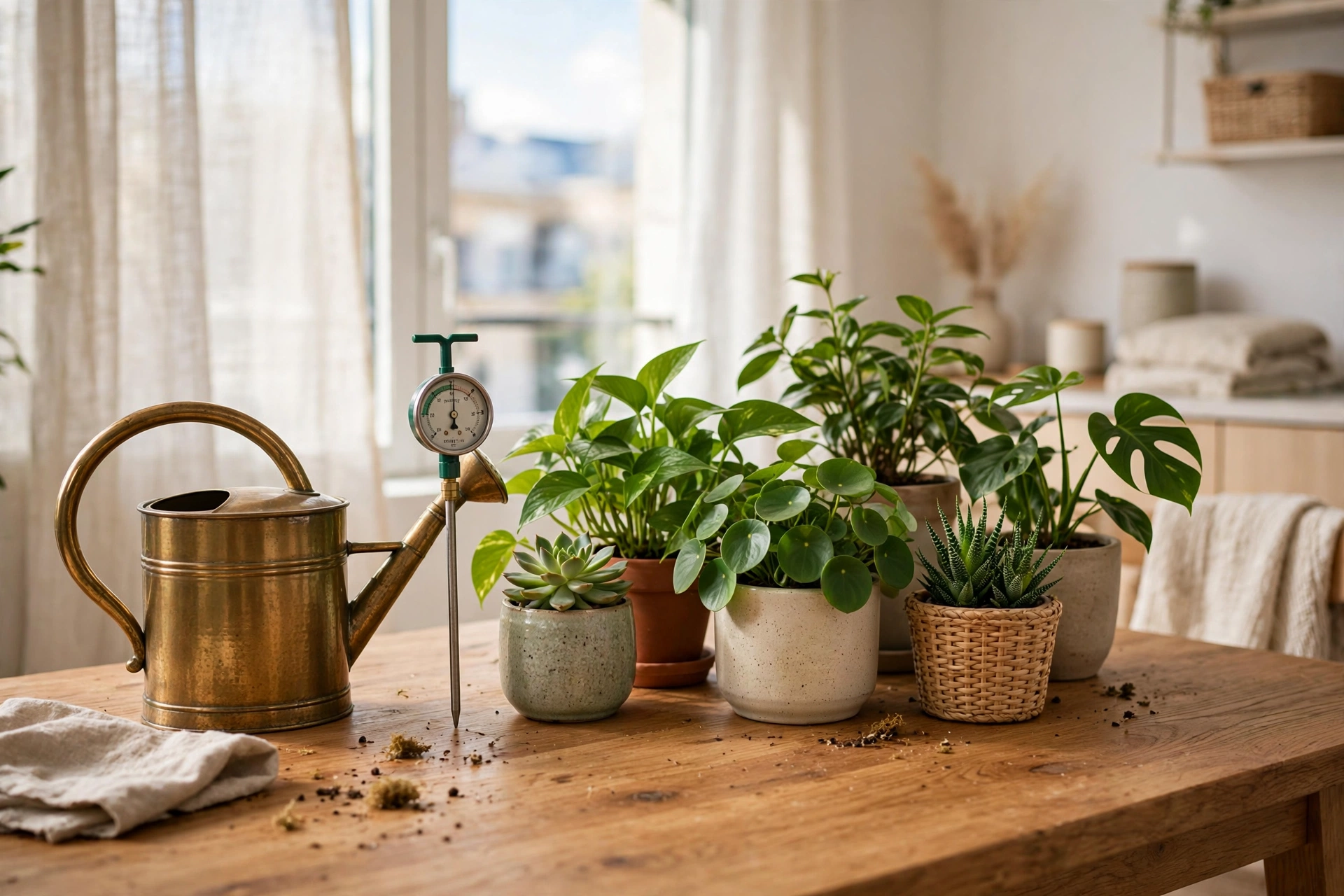
Instead of scattering plants randomly, group them by light needs into deliberate zones — a bright cluster by the window, a medium-light group on the bookshelf, low-light survivors in the dark corners. Each zone gets the right care routine, plants thrive instead of merely surviving, and the groupings look like intentional installations. A $15 moisture meter shared across zones takes the guesswork out of watering schedules. Pro tip: photograph each zone when you set it up and note the watering day on the photo — three months later you’ll know exactly what worked instead of guessing why one corner thrives and another struggles.
Care Systems That Keep Them Alive
34. Switch to Self-Watering Pots
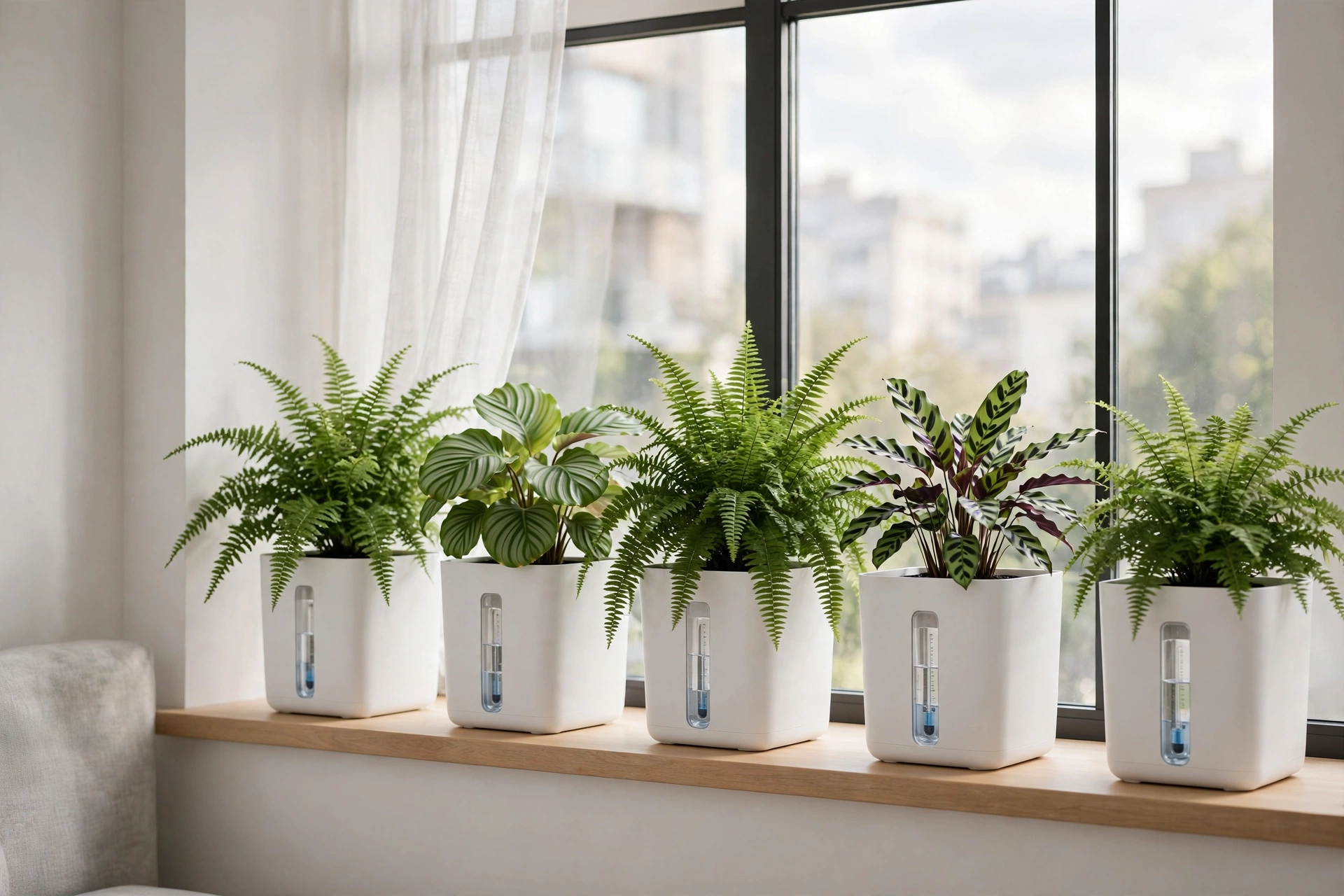
Self-watering pots ($12–$30 each) have a built-in reservoir that wicks moisture up for 1–3 weeks — they turn chronic underwaterers into successful plant parents overnight. They’re ideal for thirsty plants like ferns, calatheas, and peace lilies, and for anyone who travels. Fill the reservoir, not the soil surface, and let the wick do the work. Pro tip: self-watering pots suit moisture-lovers only — never use them for succulents, cacti, or snake plants, which will rot in the constant dampness these pots maintain.
35. Add Grow Lights for Dark Studios
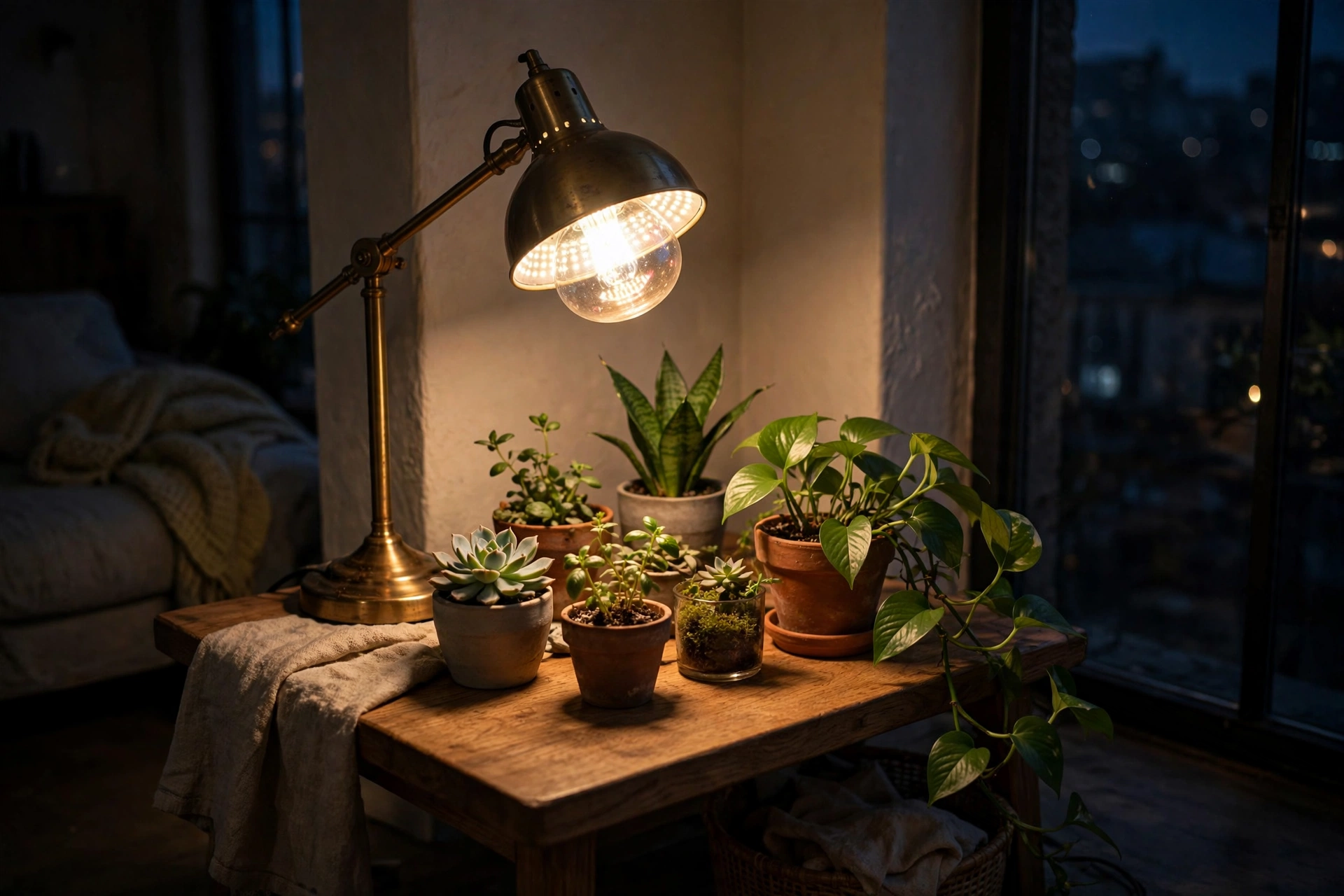
North-facing or basement studios can still host a jungle with full-spectrum LED grow bulbs ($15–$35 each) in regular lamps or clip fixtures. Modern grow lights look like normal warm-white bulbs — no purple alien glow required. Run them 10–12 hours daily on a $10 timer and even light-hungry plants like succulents and herbs thrive feet from the nearest window. Pro tip: keep grow lights 6–12 inches above plant tops — too far and they’re useless decoration, too close and they scorch leaves; adjustable clip lamps let you dial in the perfect height as plants grow.
36. Rotate Plants With the Seasons
Light changes dramatically through the year — a spot that’s perfect in June can be a dark cave in December. Twice a year, reassess: move sun-lovers closer to windows for winter, pull sensitive plants back from scorching summer glass, and shift the whole arrangement as the sun’s angle shifts. This one habit prevents most seasonal plant decline. It also refreshes the room’s look for free. Pro tip: mark your calendar for the equinoxes (late March, late September) as rotation days — the light shift is most dramatic then, and a twice-yearly ritual is easy to remember.
37. Follow a Simple Weekly Care Routine
Plant care collapses without routine, so make one stupidly simple: every Sunday, do a 10-minute loop — finger-test every pot’s soil, water only the dry ones, wipe one dusty plant’s leaves, and rotate two pots. That’s it. A $12 moisture meter removes all guesswork for beginners. Consistency beats expertise; most “black thumbs” just water on emotion instead of schedule. Pro tip: water in the morning, not at night — wet soil sitting cold and dark overnight invites fungus gnats and root rot, while morning water evaporates and absorbs during the warm day.
38. Choose Pet-Safe Plants First
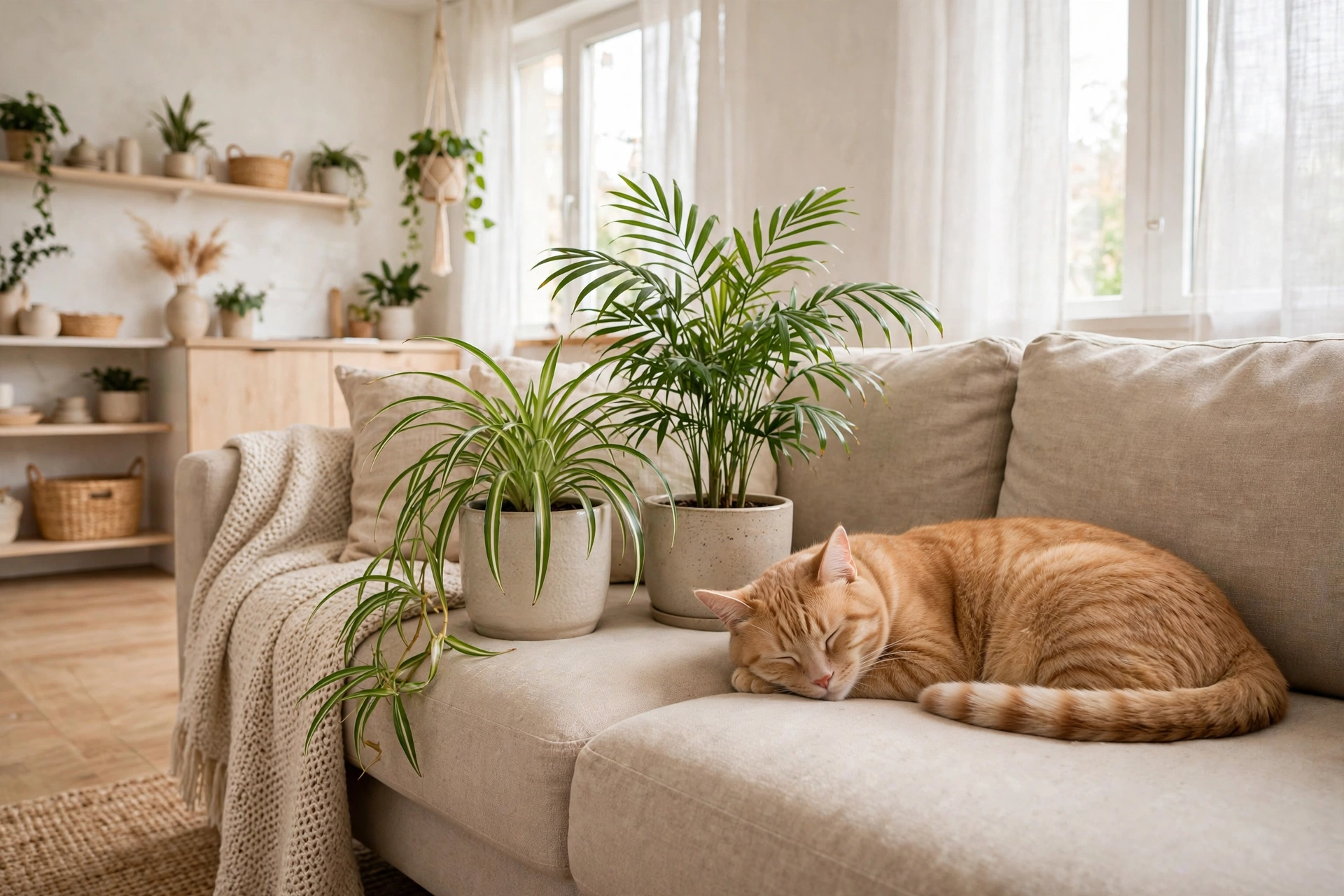
If a cat or dog shares your studio, plant toxicity isn’t optional research — lilies, pothos, philodendron, and sago palms are genuinely dangerous to pets. Build your collection from the safe list instead: spider plants, parlor palms, calatheas, pileas, Boston ferns, and haworthia are all non-toxic and just as beautiful. The ASPCA’s plant database is the definitive free reference. Hang anything questionable well out of reach regardless. Pro tip: cats chew out of boredom as much as curiosity — a dedicated pot of cat grass ($5) by the window distracts most cats from your decorative plants entirely.
Frequently Asked Questions
How many plants is too many for a studio apartment?
There’s no magic number — it depends on your light and your willingness to care for them. A good rule: if watering takes more than 20 minutes weekly, or plants block walkways and natural light, you’ve passed the sweet spot. Most studios comfortably hold 10–20 plants across floor, shelf, hanging, and sill placements without feeling cluttered, as long as they’re grouped intentionally rather than scattered.
What are the best low-light plants for a studio?
Snake plants, ZZ plants, pothos, philodendron, cast iron plants, and dracaenas all tolerate genuinely low light — the kind found several feet from a north-facing window. They won’t grow fast there, but they’ll stay healthy. Avoid succulents, herbs, and flowering plants in low light; they need brightness these spots can’t provide, and a $15 grow bulb solves the problem better than hoping.
How do I keep plants alive with a busy schedule?
Choose drought-tolerant plants (snake plant, ZZ, succulents), use self-watering pots for thirsty ones, and set a single weekly 10-minute care routine. A moisture meter eliminates guesswork. For travel, group plants together (raises humidity), water thoroughly before leaving, and most collections survive 2–3 weeks unattended in moderate light.
Are indoor plants safe if I have pets?
Many popular plants are toxic to cats and dogs — including pothos, philodendron, lilies, and dieffenbachia. Stick to the ASPCA-verified safe list: spider plants, parlor palms, calatheas, pileas, Boston ferns, haworthia, and peperomia. When in doubt, hang questionable plants out of reach and keep the number for your vet saved in your phone.
Do houseplants really purify the air?
The famous NASA study showed plants filter certain VOCs in sealed chambers, but in a real ventilated apartment you’d need hundreds of plants per room to match the effect. The real benefits are different and better documented: reduced stress, improved focus, higher humidity in dry heated spaces, and the genuine mood lift of caring for living things. Buy plants for joy, not as air purifiers.
What’s the cheapest way to start an indoor garden?
Start with cuttings — pothos, philodendron, and spider plant babies root free in water from a friend’s plant. Buy small 4-inch nursery pots ($5–$12) instead of large specimens, since most grow fast. Thrift stores sell ceramic pots for $1–$3. A $30 starter budget (three small plants, thrifted pots, one bag of soil) builds a real collection that multiplies itself within months.
Final Thoughts
A plant-filled studio isn’t about owning the most plants — it’s about matching the right plants to your light, your habits, and your space. Start with three or four forgiving varieties, learn their rhythms, and let the collection grow as your confidence does. Every expert with a hundred thriving plants started with a single pothos on a windowsill.
The beauty of greenery in a small space is that it never truly finishes. There’s always another cutting to root, another corner begging for a fern, another season to rotate toward the light. Your studio becomes a living thing that changes with you — and honestly, that’s the best kind of decor there is: the kind that grows.

3 Comments